Web3 users replace passwords with blockchain-secured credentials.
The End of Password Fatigue
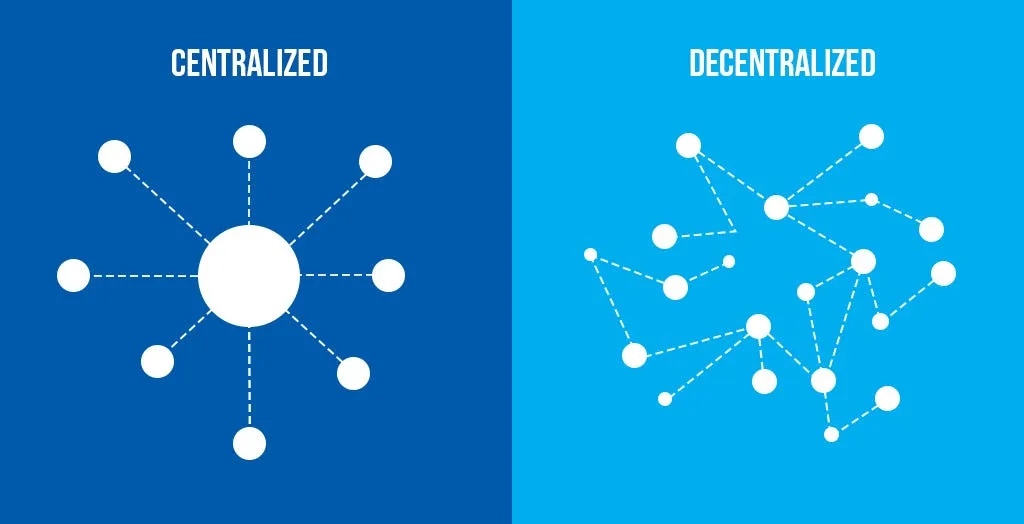
In 2025, decentralized identity wallets are emerging as the default login method for Web3 platforms, gradually replacing traditional passwords and two-factor authentication. By storing verifiable credentials on blockchain, users gain seamless and secure access to applications, services, and communities without depending on centralized servers. This marks a major cultural and technical shift in how digital identity is managed worldwide.
Why Decentralized Identity Matters
Passwords have long been the weakest link in cybersecurity. They are reused, forgotten, or stolen in massive breaches. Decentralized identity wallets solve these issues by giving users blockchain-based credentials tied to cryptographic keys. Access is verified instantly without revealing sensitive information, reducing risks of hacking and phishing. For businesses, this model eliminates expensive security overheads while boosting user trust.
Retail Users Drive Adoption
Retail communities are quick to embrace decentralized identity. On TikTok and Instagram, influencers share tutorials on how to log into apps using a single identity wallet. Memes portray passwords as “fossils of the internet age,” while wallets are celebrated as sleek keys to digital freedom. For Gen Z, the appeal lies in simplicity, privacy, and control over personal data, aligning perfectly with cultural demands for transparency and autonomy.
Whales and Developers Back Wallet Ecosystems
Whales and developers are investing heavily in decentralized identity platforms. Large wallets fund startups creating interoperable systems that work across chains and apps. Developers integrate identity tools into DeFi platforms, NFT marketplaces, and gaming worlds, ensuring smoother user experiences. Whale-backed ecosystems accelerate adoption by ensuring liquidity and incentives for developers to keep building.
AI Dashboards Track User Growth
AI dashboards provide visibility into decentralized identity adoption. Push notifications highlight milestones like “50 million new wallets activated globally” or “login requests via blockchain surpass passwords for the first time.” Screenshots of these dashboards spread widely across social media, validating that decentralized identity is no longer niche but mainstream. For users, dashboards symbolize progress toward a safer and more user-friendly digital world.
Institutions Explore Integration
Institutions are cautiously exploring decentralized identity systems. Banks and fintech firms are testing wallets for customer onboarding, while universities pilot blockchain credentials for student access. Governments in some regions are experimenting with integrating national ID systems into decentralized wallets. Institutional adoption adds legitimacy, signaling that decentralized identity is moving beyond early adopters into regulated and mainstream domains.
Regulatory Considerations
Regulators are debating frameworks for decentralized identity. Key issues include data privacy, cross-border recognition, and interoperability standards. Some governments encourage wallet adoption to enhance security and reduce fraud, while others worry about losing control over identity management. Analysts note that global coordination will be necessary to ensure wallets work universally, much like passports in the physical world.
Cultural Narratives of Ownership
Culturally, decentralized identity wallets are celebrated as symbols of ownership and empowerment. Memes show users “holding their own keys” while rejecting centralized servers. Influencers highlight how wallets protect against surveillance and data exploitation, resonating with Gen Z’s demand for digital rights. This framing ensures that adoption is not just technical but also deeply cultural, tied to values of fairness and autonomy.
Risks That Remain
Despite optimism, risks remain. Losing access to a wallet could mean losing credentials permanently, raising questions about recovery systems. Technical complexity may deter less tech-savvy users. Critics also warn that without global standards, fragmentation could hinder universal adoption. Analysts stress the need for education and secure backup mechanisms to make decentralized identity sustainable.
Conclusion
Decentralized identity wallets in 2025 are becoming the default login method across Web3 and beyond. Retail communities drive adoption, whales and developers fund ecosystems, AI dashboards amplify visibility, and institutions cautiously explore integration. Regulators debate frameworks, while cultural narratives celebrate ownership and empowerment. Risks remain, but the trajectory is clear. Passwords are fading into history, replaced by blockchain-secured credentials that symbolize a new era of digital identity.