Intro:
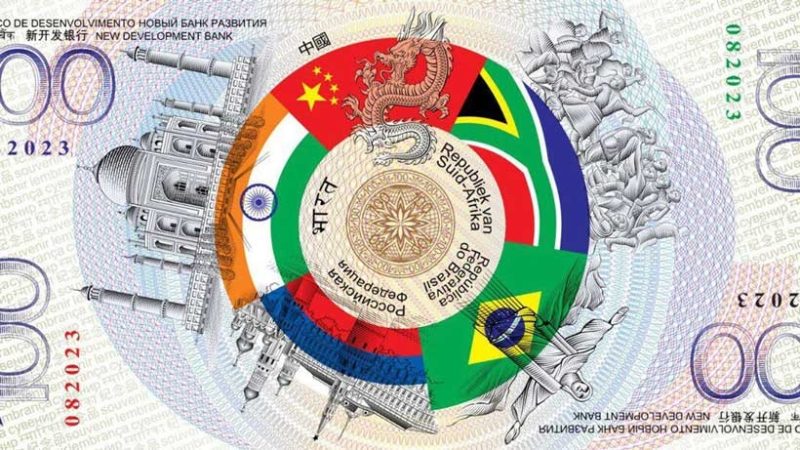
As of October 7, 2025, finance ministers from the BRICS nations Brazil, Russia, India, China, and South Africa have unveiled an ambitious strategy aimed at reducing dependence on the U.S. dollar in international trade and finance. This initiative, set to be implemented by 2026, reflects the bloc’s desire to strengthen financial sovereignty and promote the use of national currencies for cross-border transactions. The proposal involves a combination of mechanisms, including a multilateral guarantee fund, issuance of bonds in member countries’ currencies, and development of alternative payment systems to facilitate smoother trade among BRICS nations. Experts note that the initiative represents a strategic response to geopolitical uncertainties, rising U.S. dollar strength, and growing concerns over the volatility of the current dollar-centric global financial system. By increasing the use of local currencies, BRICS countries aim to mitigate exchange rate risks and ensure more predictable and stable trade and investment flows across the bloc.
The timing of this initiative coincides with broader global economic pressures, including slowing growth in emerging markets, rising inflation, and tightening monetary conditions in developed economies. With the U.S. dollar remaining strong, capital flows have favored dollar-denominated assets, creating financial stress in economies with high levels of dollar-denominated debt. The BRICS diversification plan is therefore seen as both a financial and geopolitical strategy, designed to enhance resilience and reduce vulnerability to external shocks. Analysts suggest that the implementation of these measures could also provide a template for other countries seeking alternatives to dollar dependency, potentially reshaping aspects of the global financial architecture over the next decade.
Diversification Strategy Overview:
The core of the BRICS plan centers on reducing reliance on the U.S. dollar through the creation of a multilateral guarantee fund managed by the New Development Bank (NDB). This fund is designed to provide financial guarantees that lower borrowing costs for member nations, thereby encouraging investment in critical infrastructure, energy, and technology projects. By enhancing access to capital in local currencies, the fund aims to reduce dependence on foreign exchange markets and limit exposure to currency volatility. The strategy also seeks to foster economic cooperation among BRICS nations by promoting financial stability and shared growth objectives.
In addition to the guarantee fund, the NDB plans to issue bonds denominated in the national currencies of member countries. For example, the bank intends to launch its first Indian rupee-denominated bond by March 2026, targeting a funding range between $400 million and $500 million. These bonds are expected to enhance liquidity in local financial markets, provide investment opportunities for domestic and international investors, and reduce the risk associated with exchange rate fluctuations. By promoting bonds in local currencies, the NDB aims to establish a more resilient funding mechanism for development projects and create an alternative to the traditional reliance on dollar-denominated debt instruments.
Alternative Payment Systems Development:
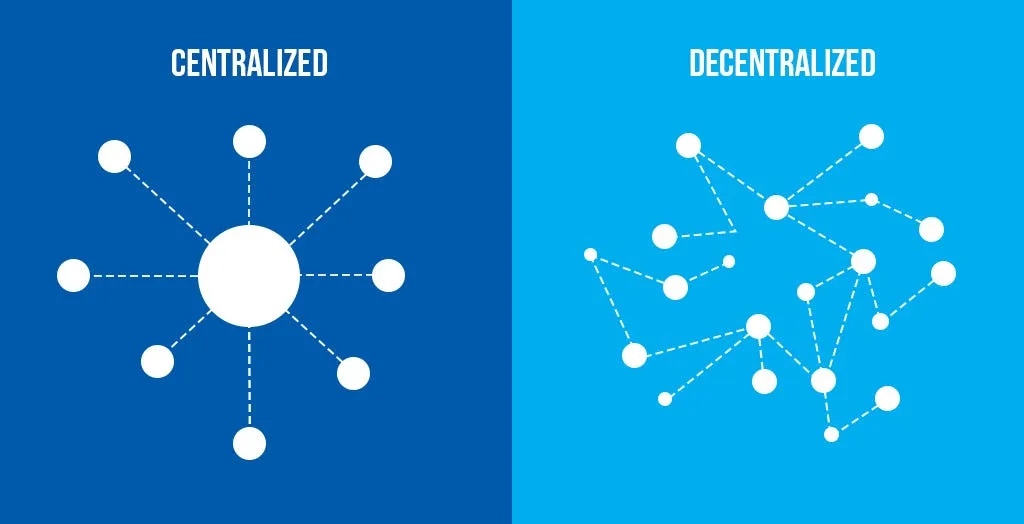
Recognizing the limitations of existing financial infrastructure, BRICS nations are also prioritizing the development of alternative payment systems to facilitate trade within the bloc. These systems are designed to operate independently of traditional, Western-dominated financial networks, offering a more secure, cost-effective, and efficient means of conducting cross-border transactions. The introduction of such systems is expected to streamline trade, lower transaction costs, and improve the integration of member economies. Furthermore, it supports the broader goal of creating a multipolar financial ecosystem, where BRICS nations can exercise greater control over monetary flows and reduce vulnerability to disruptions in the global financial system.
The development of these payment systems also has significant technological implications. By leveraging blockchain, distributed ledger technologies, and digital payment infrastructure, BRICS nations aim to enhance transparency, reduce settlement times, and mitigate the risks of currency conversion and counterparty default. These innovations are intended to complement existing banking and financial systems while promoting greater efficiency in cross-border trade and investment, ultimately supporting sustainable economic growth across the bloc.
Geopolitical and Economic Implications:
The proposed BRICS currency diversification measures emerge against a backdrop of increasing geopolitical tension and economic uncertainty. Protectionist policies, trade disputes, and sanctions have reinforced the urgency for these nations to seek alternatives to the U.S. dollar, which remains dominant in global trade and finance. By diversifying currency usage, BRICS nations aim to reduce their vulnerability to dollar fluctuations and external economic pressures. This initiative reflects a strategic approach to increasing autonomy in financial policy, allowing member nations to shield domestic economies from volatility in the global dollar-based system.
The expansion of BRICS to include additional countries such as Egypt, Ethiopia, Indonesia, Iran, Saudi Arabia, and the United Arab Emirates further strengthens the bloc’s collective economic influence. A larger membership base enhances the feasibility of implementing currency diversification strategies and bolsters bargaining power in international economic forums. Analysts suggest that this expansion may accelerate efforts to establish alternative financial mechanisms, potentially influencing global currency markets and creating a more balanced international monetary system over time.
Challenges and Considerations:
While the BRICS currency diversification plans represent a significant step toward financial independence, several challenges remain. Implementing these measures requires coordination across diverse economies with varying fiscal policies, currency stability, and technological readiness. Trust in new financial systems must be established, and significant investments in payment infrastructure, regulatory frameworks, and market integration are necessary. Local currency stability, governance structures, and risk management practices will also play a critical role in determining the success of these initiatives.
Moreover, transitioning away from U.S. dollar reliance will require careful planning to ensure that trade and investment flows are not disrupted. International investors will need assurances regarding currency convertibility, transparency, and liquidity. BRICS nations must balance the objectives of diversification with the practicalities of operating in a global system that is still largely dollar-centric. Despite these hurdles, the bloc’s commitment to implementing these reforms demonstrates a strong strategic intent to shape a more multipolar financial environment and strengthen economic resilience.
Conclusion:
The BRICS finance ministers’ proposal for 2026 currency diversification plans represents a strategic effort to reduce dependence on the U.S. dollar and promote the use of local currencies in cross-border trade and finance. By establishing a multilateral guarantee fund, issuing bonds in national currencies, and developing alternative payment systems, the bloc seeks to enhance financial sovereignty, foster economic integration, and mitigate the risks associated with dollar dependency. While challenges exist, including technological, regulatory, and market adoption hurdles, the initiative signals a determined move toward a more balanced and resilient global financial system. Analysts note that successful implementation could have profound implications for global trade, investment, and monetary policy, setting the stage for a more multipolar financial future.