Introduction
The U.S. Dollar Index (DXY) has demonstrated remarkable resilience, holding steady at 106.5 after recent fluctuations in global markets. This stability has been reinforced by a combination of factors, most notably the recent rebound in oil prices, which has enhanced investor confidence in the greenback. Analysts are closely watching how these market movements affect the dollar’s value, as the interplay between energy markets and currency valuations reflects the broader health of the global economy. The intricate dynamics that link oil prices, central bank policies, and international trade flows are crucial for investors, policymakers, and economists alike, shaping expectations and investment decisions across multiple sectors.
In addition to oil prices, global economic uncertainties, including trade disputes, inflationary pressures, and political tensions, have heightened the demand for safe-haven assets such as the U.S. dollar. Investors often gravitate toward the greenback during times of instability, making its movement a key barometer for market sentiment. The current strength of the dollar not only signals confidence in the U.S. economy but also underscores its central role in international finance, serving as a benchmark currency for global transactions and reserves. Understanding the drivers behind the dollar’s performance is essential for comprehending broader trends in global markets and anticipating potential risks and opportunities.
Oil Prices Surge, Strengthening the Dollar
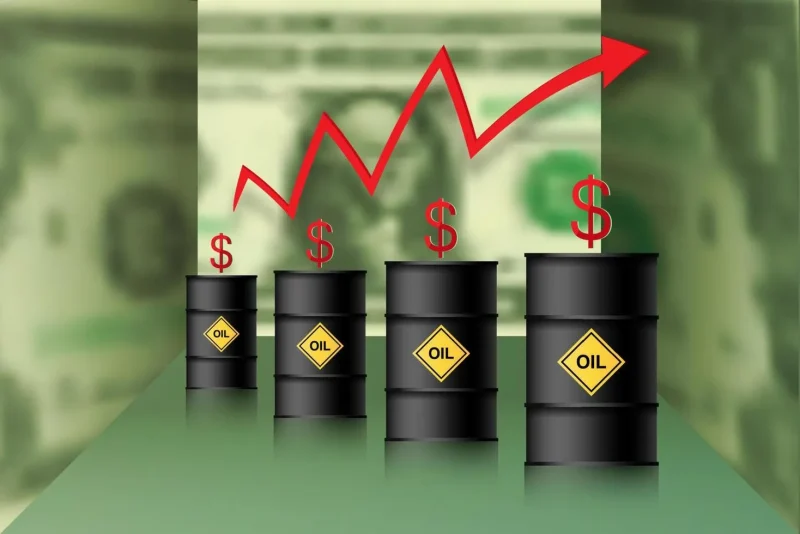
The recent surge in oil prices has had a notable impact on the dollar’s stability, with Brent crude climbing above $80 per barrel. This increase is driven by a combination of supply constraints, geopolitical tensions, and rising global demand for energy. As oil prices rise, countries that are major producers tend to accumulate more U.S. dollars, which strengthens the currency in foreign exchange markets. Investors also interpret higher oil prices as a signal of robust economic activity, further supporting the dollar by indicating continued global demand and financial stability. For traders and analysts, monitoring energy markets is critical, as shifts in oil prices often precede movements in major currencies, including the greenback.
Beyond these immediate market effects, the relationship between oil prices and the dollar is multifaceted and extends to macroeconomic trends. For example, rising oil prices can affect trade balances, inflation expectations, and monetary policy decisions across the globe. Countries that rely heavily on imported oil may face higher costs, while oil-exporting nations can experience revenue windfalls, increasing their reserves of U.S. dollars. This dynamic not only strengthens the dollar but also influences investment strategies, capital flows, and the allocation of financial assets worldwide. The surge in oil prices thus acts as both a direct and indirect catalyst for the greenback’s performance, reinforcing its position as the world’s primary reserve currency.
Federal Reserve’s Policy Stance and Its Impact
The Federal Reserve’s monetary policy remains a central factor influencing the U.S. dollar. In recent communications, Fed officials have indicated a cautious approach to interest rate adjustments, balancing the need to control inflation with the goal of sustaining economic growth. By maintaining a steady policy stance, the Fed provides markets with predictability, which encourages investor confidence and enhances the dollar’s appeal. The expectation of relatively higher U.S. interest rates compared to other major economies attracts capital inflows, strengthening the greenback in the process. Investors are particularly attentive to Fed announcements, as even subtle shifts in tone or projections can have significant implications for currency movements and financial markets.
The Fed’s policy also impacts the dollar indirectly by shaping investor perceptions of risk and opportunity in global markets. A consistent, transparent approach reassures market participants that economic conditions are being managed effectively, reducing volatility and supporting the greenback. Conversely, uncertainty or perceived indecisiveness in policy could create fluctuations in the dollar’s value. As global investors weigh these factors, the Fed’s actions continue to serve as a benchmark for economic stability, influencing decisions related to bonds, equities, and currency positions. This interplay highlights the intricate connection between central bank policies and market behavior, underscoring the importance of monetary guidance in sustaining the dollar’s strength.
Global Economic Indicators and Their Influence
Global economic indicators, including GDP growth, inflation data, and trade balances, exert a significant influence on the dollar’s performance. Positive indicators in the U.S., such as steady employment growth or robust industrial output, enhance confidence in the dollar by signaling economic stability and resilience. In contrast, weaker data from other regions can also strengthen the greenback, as investors may move capital toward perceived safer assets. The interdependence of global economies means that fluctuations in one region often ripple across financial markets, impacting currency values, commodity prices, and investment strategies worldwide.
Emerging markets are particularly sensitive to movements in the dollar, as many hold significant dollar-denominated debt or engage in trade transactions priced in the greenback. When the dollar strengthens, these countries face higher repayment costs, which can influence fiscal policy, trade balances, and market sentiment. Investors closely monitor these conditions to gauge potential risks and opportunities, using the dollar’s performance as a key indicator of global economic trends. The interconnectedness of economic data, trade, and currency valuation highlights the centrality of the dollar in global financial systems and underscores the importance of ongoing monitoring and analysis.
Market Sentiment and Geopolitical Factors
Investor sentiment plays a crucial role in shaping the dollar’s movements, often influenced by geopolitical events, trade policies, and international conflicts. Current tensions between major economies and uncertainties in global markets have heightened demand for safe-haven assets, with the U.S. dollar frequently emerging as the preferred choice. Its liquidity, universal acceptance, and status as the world’s reserve currency make it particularly attractive during periods of uncertainty, providing stability for portfolios and transactions alike.
Geopolitical factors also have long-term implications for currency valuation, influencing expectations about trade, monetary policy, and economic collaboration between nations. Investors weigh the potential impact of sanctions, diplomatic disputes, and regulatory changes on currency strength and market stability. The dollar benefits from these dynamics, as its reliability and central role in global finance make it a preferred vehicle for storing value and conducting international trade. Understanding these broader influences is critical for market participants seeking to anticipate fluctuations and position themselves effectively in response to global developments.
Conclusion
The U.S. dollar’s resilience at 106.5, supported by a combination of rising oil prices, steady Federal Reserve policies, and global economic trends, highlights its pivotal role in international finance. Investors and analysts must consider multiple factors, including commodity markets, central bank actions, and geopolitical developments, to fully understand the dynamics that influence currency valuation. The dollar’s strength not only reflects confidence in the U.S. economy but also provides insight into broader financial and economic conditions across the globe.
As the international landscape continues to evolve, monitoring these factors will be essential for predicting future movements in the dollar and assessing implications for trade, investment, and policy. The interconnectedness of energy markets, monetary policy, and investor sentiment underscores the complexity of currency dynamics and the importance of informed analysis in navigating global financial markets. The sustained performance of the dollar offers both reassurance and guidance, serving as a benchmark for stability, investment strategy, and global economic insight.