Introduction
The U.S. dollar index, known as the DXY, held steady around the 106.7 level today as investors weighed mixed economic data and cautious remarks from Federal Reserve officials. The stability follows weeks of volatility driven by inflation prints, bond yield swings, and shifting expectations about interest rate cuts. Traders appear reluctant to take major positions ahead of upcoming speeches from central bank policymakers that could clarify the outlook for monetary policy into year-end.
This pause in momentum highlights a broader theme of cautious optimism in global markets. While the dollar remains strong compared with its peers, the underlying tone has softened as traders reassess the balance between economic resilience and policy restraint. For investors, the question is no longer whether the dollar will remain firm but how long the Federal Reserve can maintain its current posture without disrupting broader financial stability.
Fed Communication and Market Sentiment
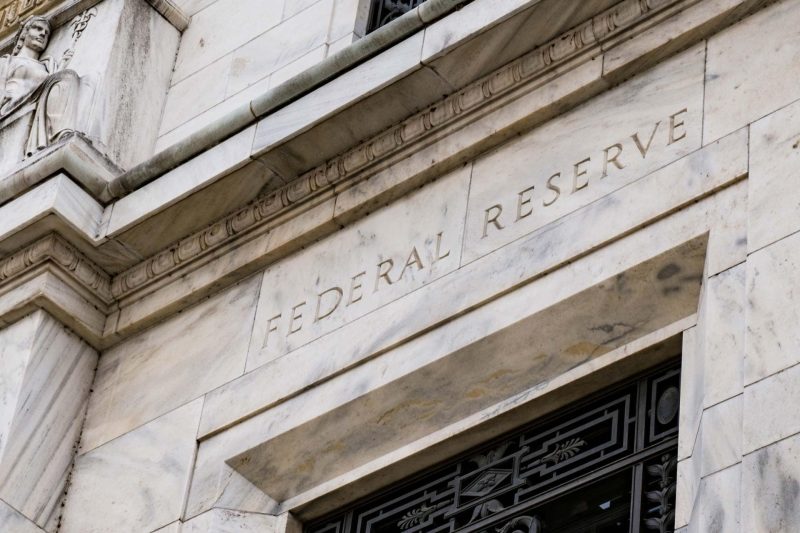
Federal Reserve communication has become the primary driver of near-term dollar sentiment. Recent statements from senior officials indicate that the central bank remains focused on inflation control but is aware of emerging strains in credit and housing markets. The tone suggests that while another rate hike this year is unlikely, the Fed is not yet ready to declare victory over inflation. This ambiguity has led markets to oscillate between optimism and caution.
Investors are parsing every line of central bank commentary for clues about timing and tone. Futures markets now price in modest rate cuts next year, but expectations shift with each data release. The stability of the DXY near 106.7 reflects an uneasy equilibrium between confidence in the U.S. economy and concern about the costs of prolonged tightness. The Fed’s careful messaging aims to preserve flexibility while preventing sharp market reactions that could destabilize global liquidity.
Treasury Yields and Dollar Correlation
U.S. Treasury yields continue to anchor the dollar’s performance. The benchmark 10-year yield remains elevated near 4.7 percent, supported by solid economic data and subdued demand for safe-haven assets. Higher yields attract global capital flows into dollar-denominated instruments, keeping the greenback supported even when risk sentiment improves. This yield support has become a defining feature of the current market phase, reinforcing the dollar’s role as the global reserve currency.
However, the correlation between yields and dollar strength has become less linear in recent weeks. When yields rise too quickly, concerns about growth and debt sustainability can offset currency gains. Investors are increasingly sensitive to the idea that high yields may reflect long-term structural imbalances rather than confidence in the U.S. outlook. As a result, the dollar’s ability to sustain momentum may depend on the stability of yields rather than their absolute level.
Inflation Data and Policy Expectations
The latest inflation readings have provided little clarity. While headline figures are moderating, core inflation remains sticky, keeping the Fed on alert. The persistence of price pressures in housing and services complicates the policy path ahead. A rapid shift toward easing could reignite inflation, but maintaining restrictive conditions for too long risks tightening financial conditions excessively.
Market participants are therefore treating each data release as a potential inflection point. The steady DXY reflects that investors are neither fully confident in disinflation nor alarmed by current levels. The middle ground suggests a wait-and-see attitude consistent with range-bound trading. Until inflation data produce a clear directional signal, traders may continue to oscillate between minor profit-taking and tactical positioning in short-term futures.
Global Currency Reactions
The dollar’s stability has ripple effects across major currency pairs. The euro slipped modestly after the European Central Bank reiterated its cautious stance, while the Japanese yen continued to weaken amid ongoing yield differentials. Emerging market currencies experienced mixed performance, with commodity-linked units such as the Australian and Canadian dollars holding steady due to firm resource demand.
This relative calm contrasts with earlier periods of volatility when rate differentials dominated currency flows. For now, markets are functioning in a more orderly fashion, reflecting balanced positioning across major pairs. Yet, beneath the surface, vulnerability remains. Any unexpected policy signal from the Fed or a sharp move in Treasury yields could reignite volatility, particularly in currencies exposed to dollar funding channels.
The Role of Global Risk Appetite
Investor appetite for risk assets remains moderate, shaped by cautious optimism about global growth and concern about geopolitical risks. Equity markets are stable but lack conviction, while credit spreads have tightened slightly, indicating improved risk tolerance. However, this stability depends on the assumption that U.S. rates will not rise further. A hawkish shift in Fed rhetoric could disrupt this balance and send the dollar higher once again.
Conversely, dovish signals could spark renewed interest in riskier assets, weakening the dollar marginally. This feedback loop between risk appetite and currency strength has defined much of the year. The DXY’s steadiness near 106.7 can be seen as a reflection of investor indecision—confidence in the dollar’s relative safety balanced against the allure of diversified global opportunities.
Implications for Digital and DeFi Markets
In the digital asset space, the dollar’s stability has influenced liquidity flows and token performance. Dollar-pegged stablecoins continue to serve as the backbone of decentralized finance, providing stability amid macro uncertainty. When the DXY steadies, volatility in major crypto pairs tends to decline as well, leading to more predictable trading patterns and tighter spreads.
However, persistent dollar strength also limits speculative enthusiasm in high-risk tokens. Investors tend to prefer stability when returns in traditional markets are competitive. DeFi liquidity providers are adjusting yield structures to attract participation, often benchmarking rewards against Treasury yields. This cross-market linkage underscores how the macro environment increasingly defines digital finance behavior. Stablecoin demand may rise further if the Fed keeps rates higher for longer, reinforcing the dollar’s dominance in both traditional and decentralized ecosystems.
Forward Guidance and Market Scenarios
Looking ahead, the Fed’s next communication cycle will likely determine the dollar’s short-term trajectory. If policymakers emphasize patience and data dependence, the DXY may continue to consolidate near current levels. A shift toward stronger growth projections or renewed inflation warnings could push the index higher, while dovish language might prompt a modest pullback.
Beyond the headlines, structural factors continue to support the dollar. The global shortage of safe assets, persistent geopolitical uncertainty, and relative outperformance of the U.S. economy all contribute to underlying demand. Even in scenarios where the dollar weakens modestly, investors remain reluctant to abandon it as a core reserve and funding instrument. The market’s cautious tone thus reflects recognition of the dollar’s enduring centrality to the world’s financial system.
Conclusion
The DXY’s hold at 106.7 captures the current balance of global economic forces. Traders are watching the Federal Reserve closely for confirmation of whether policy tightening has peaked or if inflation’s persistence will keep rates elevated. The stability in the index reflects both confidence in U.S. fundamentals and wariness about overextension in global risk assets.
As markets await new signals from policymakers, the dollar’s steadiness underscores its continued influence across asset classes. For investors, this period of consolidation offers a window to reassess portfolio exposures and prepare for potential volatility ahead. Whether in traditional markets or decentralized ecosystems, the dollar’s behavior remains the compass guiding global liquidity and capital flows.