Introduction
Emerging markets are once again under pressure as the U.S. dollar maintains its dominant position in global currency markets. The dollar index’s recent stabilization near multi-month highs has amplified funding costs, currency depreciation, and capital outflows across developing economies. From Latin America to Southeast Asia, central banks are grappling with the challenge of balancing inflation management with the risk of slower growth.
The renewed dollar strength reflects confidence in the resilience of the U.S. economy but creates ripple effects for regions dependent on external financing. The impact extends beyond traditional trade balances and now touches bond issuance, sovereign debt sustainability, and portfolio inflows. For investors and policymakers alike, the question is how long emerging markets can withstand the tightening squeeze before financial stability concerns resurface.
The Mechanics of Dollar Dominance
The U.S. dollar’s role as the world’s primary reserve and settlement currency gives it unmatched influence over global liquidity. When the dollar appreciates, countries that borrow or trade heavily in it face higher repayment costs and reduced purchasing power. This effect is particularly acute for emerging economies, where external debt is often denominated in dollars and local currency buffers are limited.
Historically, periods of dollar strength have coincided with capital flight from riskier assets. Investors seek the safety of U.S. Treasuries and cash equivalents, reducing available liquidity for developing nations. This feedback loop tightens global financial conditions, raising borrowing costs even for fundamentally sound economies. The current cycle, marked by high U.S. yields and subdued risk appetite, has reinforced this familiar but destabilizing pattern.
Fiscal Pressures and Debt Sustainability
Many emerging economies entered this phase of dollar strength with elevated debt levels after years of pandemic-related spending. Servicing those obligations has become more difficult as local currencies weaken. Countries that rely on external financing must allocate a greater share of their budgets to interest payments, limiting fiscal space for social and infrastructure programs. The result is a slow erosion of fiscal flexibility that can undermine investor confidence.
Some governments have responded with austerity measures or targeted subsidies to shield vulnerable sectors, but these efforts can only partially offset the strain. Multilateral lenders such as the IMF and World Bank have warned that several low-income countries risk slipping into debt distress if global financing conditions remain tight. The challenge is structural: as long as the dollar remains strong, debt service ratios and refinancing needs will continue to weigh on fiscal planning across much of the developing world.
Central Bank Responses and Policy Trade-Offs
Emerging-market central banks are pursuing diverse strategies to manage currency volatility. Some, such as Brazil and Mexico, have maintained relatively high interest rates to attract capital inflows and stabilize their currencies. Others, including Turkey and parts of Southeast Asia, face limited room to maneuver due to weak domestic demand or political constraints. The tension between supporting growth and defending the currency remains central to policy discussions.
Intervention in foreign-exchange markets has also intensified. Several Asian central banks have drawn on reserves to smooth volatility, selling dollars to slow depreciation. These actions can stabilize sentiment temporarily but deplete reserves over time. Policymakers are thus walking a tightrope between maintaining stability and conserving resources. Each intervention signal is closely watched by investors, as it reveals how much tolerance authorities have for further currency weakness.
Capital Outflows and Portfolio Rebalancing
The persistence of dollar strength has accelerated portfolio rebalancing away from emerging-market assets. Global funds have reduced exposure to local-currency bonds, citing higher hedging costs and uncertain policy trajectories. Equity flows have also turned negative, as investors prefer developed-market benchmarks with more predictable earnings outlooks. These shifts have contributed to weaker market liquidity and increased volatility in emerging-market benchmarks.
However, the adjustment is not uniform. Countries with stronger external balances and credible monetary frameworks have weathered the storm more effectively. India, for example, has seen limited outflows relative to peers thanks to robust reserves and consistent growth. Others, such as Argentina and Egypt, continue to struggle with capital flight and inflationary pressure. The divergence underscores that while dollar strength is a global phenomenon, local fundamentals still matter in determining resilience.
Trade Balances and Imported Inflation
A strong dollar raises the cost of imports for emerging economies, particularly those reliant on energy and food supplies priced in dollars. The result is imported inflation that complicates domestic policy management. While headline inflation rates have eased from post-pandemic peaks, price pressures remain persistent in regions with heavy exposure to dollar-denominated goods.
On the export side, some economies benefit from weaker local currencies that improve competitiveness. Yet these gains are often offset by the higher cost of imported inputs and logistics. For commodity exporters, the equation is more complex. A firm dollar can depress global commodity prices, reducing export revenues. The net effect varies by country, but the overall picture remains one of pressure on trade balances and real income growth.
Investor Sentiment and Risk Perception
Investor sentiment toward emerging markets has shifted from enthusiasm to caution. Rising U.S. yields offer attractive risk-free returns, reducing the incentive to pursue riskier opportunities abroad. Credit spreads on emerging-market debt have widened, and new issuance has slowed. Rating agencies are monitoring vulnerabilities closely, focusing on countries with high rollover needs and limited fiscal buffers.
Despite these challenges, some long-term investors view current valuations as an opportunity. Sovereign bonds in select markets now offer yields well above historical averages, and currencies have already adjusted significantly. For patient investors with strong risk management frameworks, this phase of volatility may create entry points once policy clarity improves. Nonetheless, sustained recovery will depend on a moderation in U.S. dollar strength and improved confidence in global growth.
Digital Finance and Alternative Liquidity Channels
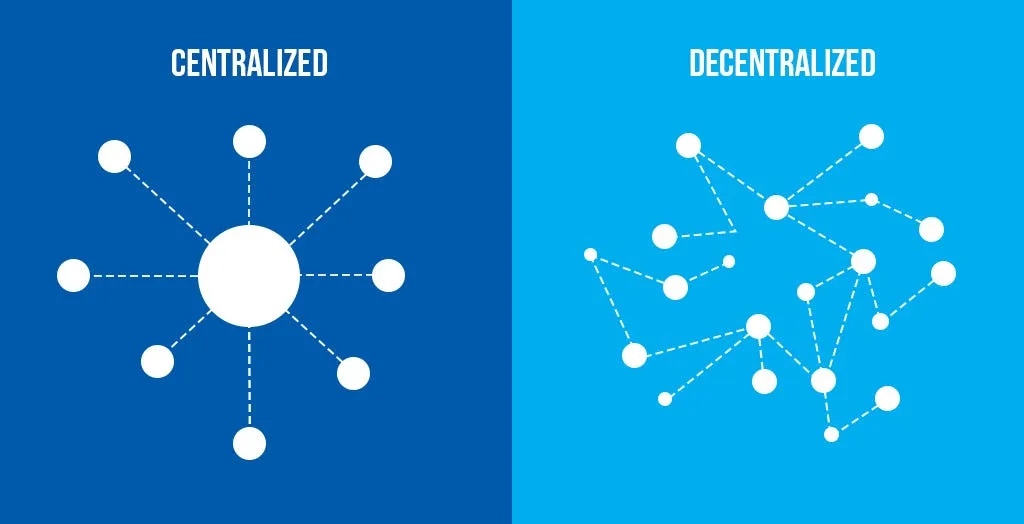
An emerging subplot in this cycle is the growing use of digital and decentralized financial channels as alternative liquidity mechanisms. In regions facing capital controls or limited dollar access, dollar-linked stablecoins and tokenized assets have gained traction as parallel settlement tools. These instruments offer temporary relief by facilitating cross-border transactions without traditional banking bottlenecks.
However, reliance on digital alternatives introduces its own risks. Price volatility, regulatory uncertainty, and counterparty exposure remain concerns. Still, the rise of such tools reflects the adaptability of global finance to persistent dollar scarcity. Modular financial models that emphasize transparency and collateral integrity are gradually bridging gaps between traditional and digital ecosystems, echoing the broader shift toward diversified liquidity solutions.
Global Policy Coordination and Outlook
International financial institutions are increasingly emphasizing the need for coordinated responses to global dollar cycles. Discussions within the IMF and G20 frameworks have revived proposals for enhanced liquidity lines and swap arrangements to assist vulnerable economies. While these mechanisms can help stabilize markets, their implementation often lags behind the pace of market stress.
Looking ahead, the trajectory of the U.S. dollar will remain the defining variable for emerging-market performance. If U.S. yields moderate and inflation pressures ease, the relief could trigger a rebound in capital flows and local-currency stabilization. Conversely, a prolonged period of dollar strength would deepen financial fragmentation and limit recovery prospects. The coming quarters will test not only economic fundamentals but also the adaptability of global financial architecture.
Conclusion
Emerging markets are navigating a challenging environment shaped by sustained dollar strength and uneven global growth. The interplay of fiscal strain, capital outflows, and imported inflation has exposed structural vulnerabilities that accumulated over years of easy liquidity. Yet resilience remains visible in countries with credible policies, diversified export bases, and effective communication strategies.
The broader lesson is that dollar cycles continue to dictate the tempo of global finance. For developing nations, mitigating exposure through sound macroeconomic management and flexible financial innovation is becoming essential. Whether through stronger reserve frameworks or new digital mechanisms, the capacity to adapt to a stronger dollar will define the next stage of emerging-market evolution.