Introduction
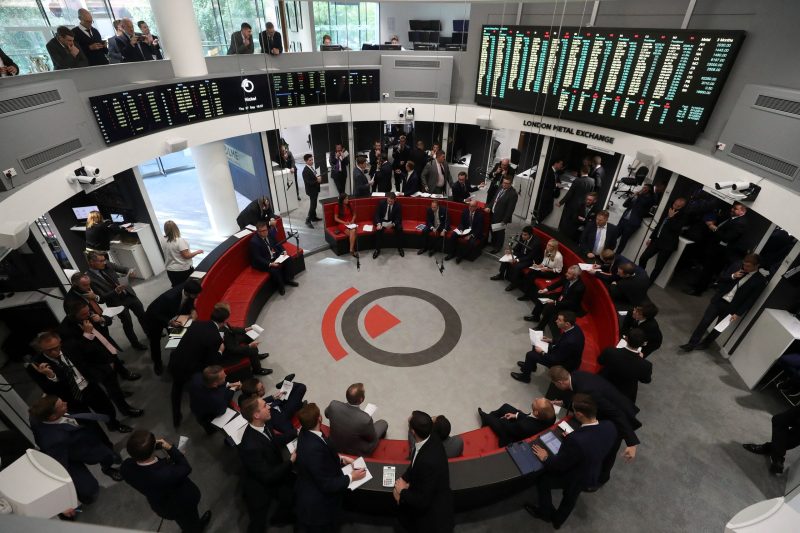
The London Metal Exchange (LME) is staging a steady recovery after a turbulent year marked by extreme volatility and a market confidence crisis triggered by the 2022 nickel short squeeze. According to Reuters, trading volumes and investor participation have gradually rebounded in recent months, signaling renewed trust in one of the world’s oldest commodity exchanges. However, the road to stability remains uneven as fluctuating dollar strength and shifting global trade flows continue to test the resilience of the metals market.
The rebound coincides with a broader recalibration across industrial commodities. Copper, aluminum, and zinc have all posted modest gains as supply chains stabilize and demand from China shows tentative improvement. Yet, lingering uncertainty about global manufacturing and monetary policy has kept traders cautious. For the LME, rebuilding credibility after years of controversy means not only addressing structural weaknesses but also adapting to a rapidly evolving global market shaped by digitalization, geopolitics, and currency volatility.
Background: The Nickel Shock and Market Fallout
The nickel crisis of 2022 remains one of the most dramatic episodes in the LME’s history. A massive short squeeze triggered by a rapid spike in nickel prices forced the exchange to halt trading and cancel billions of dollars in transactions. The move, intended to prevent market collapse, instead sparked outrage among traders and investors, eroding confidence in the exchange’s governance.
In the months that followed, the LME implemented a series of reforms aimed at strengthening oversight and enhancing market transparency. These included stricter position limits, improved margin protocols, and the introduction of daily price limits across base metals. While these measures helped stabilize trading, skepticism persisted over the exchange’s ability to manage crises in a fair and transparent manner.
Now, more than two years later, the LME appears to be regaining traction. Trading volumes in nickel and copper have returned to pre-crisis levels, and liquidity in other metals such as aluminum and zinc has improved. Market analysts from Bloomberg note that new regulatory standards and upgraded monitoring systems have reduced the likelihood of similar disruptions. Yet, challenges remain as the exchange navigates currency volatility, shifting supply chains, and the ongoing transition to low-carbon industrial materials.
Dollar Volatility and Commodity Pricing
The recovery of the LME is unfolding against a backdrop of sharp swings in the U.S. dollar. Since metals are priced in dollars, fluctuations in the currency have a direct impact on global pricing and trade flows. A stronger dollar typically suppresses metals demand by making imports more expensive for non-U.S. buyers, while a weaker dollar tends to stimulate investment and consumption.
Recent weeks have seen the dollar index oscillate between 104 and 106, driven by mixed U.S. economic data and shifting interest rate expectations. According to Trading Economics, this volatility has translated into erratic price action across the base metals complex. Copper, often seen as a proxy for global growth, has struggled to maintain upward momentum, while zinc and lead have shown relative resilience. For traders, managing exposure to dollar swings has become as important as analyzing supply and demand fundamentals.
Structural Shifts in Global Metals Flows
The reconfiguration of global trade is also reshaping how metals move through the LME system. Sanctions on Russian metals, evolving supply agreements, and China’s growing influence in commodity pricing have altered traditional market routes. European buyers have diversified away from Russian sources, while Southeast Asian producers have increased exports to fill the gap.
According to data from the International Copper Study Group, refined copper flows from Indonesia and Chile to Europe have risen by more than 20 percent in the past year. Meanwhile, Chinese refiners are exporting more semi-finished aluminum products, capturing market share previously dominated by Western producers. These shifts have forced the LME to adapt its warehousing and logistics operations, ensuring that metal inventories remain sufficient to meet delivery obligations in multiple regions.
The LME’s network of approved warehouses has also expanded, with new facilities opening in Singapore and Malaysia. This geographic diversification helps the exchange reduce reliance on traditional European hubs and align with the new axis of industrial demand in Asia. The goal, according to LME officials, is to strengthen resilience against regional disruptions and improve accessibility for international participants.
Investor Sentiment and Liquidity Trends
Investor confidence in the LME has gradually improved as reforms take hold. Data from the exchange show that open interest in key contracts has risen steadily since mid-year, particularly in copper and aluminum. Hedge funds and commodity-focused investment firms have returned to the market, encouraged by clearer price discovery mechanisms and reduced counterparty risk.
However, liquidity remains uneven across different metals. While copper and aluminum trading has normalized, nickel volumes are still below historical averages. Analysts attribute this to lingering caution among participants burned by the 2022 crisis. Some industrial consumers have shifted to over-the-counter (OTC) contracts or regional exchanges for specific transactions, limiting the pace of full recovery.
To address these gaps, the LME has launched new initiatives, including expanding electronic trading capabilities and enhancing real-time data access. These improvements aim to attract younger market participants and algorithmic traders who prioritize speed and transparency. The exchange’s modernization efforts align with broader trends in global commodities, where digital platforms are increasingly shaping liquidity and pricing.
Green Metals and Policy Influence
The growing emphasis on sustainability and low-carbon technologies has also transformed the metals landscape. Demand for copper, nickel, and lithium is projected to rise sharply over the next decade as renewable energy infrastructure and electric vehicle production expand. The LME has responded by introducing its “LMEpassport” system, which tracks the carbon footprint of traded metals, allowing buyers to verify sustainability credentials.
This initiative positions the LME as a key player in the emerging market for “green” commodities. Analysts at Bloomberg Intelligence note that environmentally certified metals could trade at a premium as companies pursue carbon neutrality goals. However, implementing such standards presents logistical challenges, especially in ensuring accurate emissions data across complex supply chains. The LME’s success in integrating sustainability metrics may determine its competitiveness in the next phase of global metals trading.
Regulatory Environment and Global Oversight
Regulators in the United Kingdom have maintained close scrutiny of the LME since the nickel crisis. The Financial Conduct Authority (FCA) and the Bank of England have both emphasized the need for robust risk management frameworks to safeguard market integrity. The exchange has pledged full cooperation and continues to enhance compliance protocols to meet evolving standards.
The LME’s leadership has also worked to rebuild relationships with large institutional members, emphasizing transparency and accountability. Regular consultation with industry participants has become a core part of its governance approach. By increasing communication and tightening surveillance, the exchange aims to prevent future disruptions and ensure fair treatment for all participants.
Currency Risk and Hedging Strategies
The ongoing volatility of the U.S. dollar remains a double-edged sword for metals traders. While a weaker dollar can stimulate demand, rapid appreciation can erode profits and trigger forced liquidations. Many industrial firms and hedge funds now employ sophisticated hedging strategies that combine currency and commodity derivatives to manage these risks.
For instance, traders dealing in copper or aluminum often pair futures positions with dollar index futures or options to offset exchange rate exposure. This integrated risk management approach has become essential in a market where currency swings can wipe out thin margins. The LME’s clearing systems now accommodate such multi-asset strategies, reflecting the growing interdependence between currency and commodity markets.
Conclusion
The London Metal Exchange’s recovery from the nickel crisis underscores both its resilience and its capacity for adaptation in a rapidly changing world. While trust has not been fully restored, the combination of structural reforms, technological modernization, and global diversification has put the exchange on firmer footing.
Yet, the path ahead remains challenging. The interplay between the dollar, industrial demand, and sustainability mandates will continue to shape the LME’s evolution. As metals markets become more intertwined with geopolitics and green policy, the LME’s ability to provide transparent, stable pricing will remain central to its relevance in the global financial ecosystem.