Introduction
The global oil market is experiencing significant shifts as OPEC+ accelerates its oil production in an effort to regain market influence amid evolving energy demands. This increase in output comes at a critical moment when energy markets are navigating a complex interplay of geopolitical tensions, global economic growth, and fluctuating demand from emerging and developed economies. OPEC+’s strategy is not merely a reaction to short-term price movements; it reflects a broader attempt to assert long-term market stability and influence global economic trends.
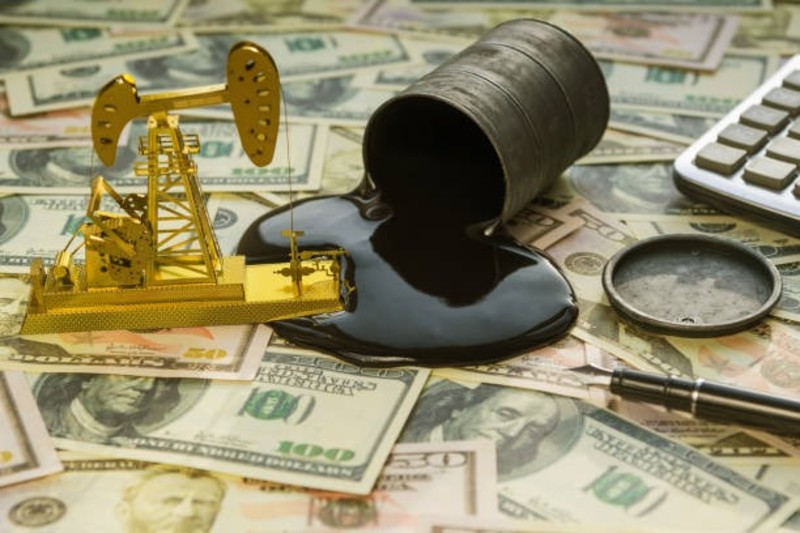
For the U.S. dollar, the implications of such a move are substantial. Historically, the value of the dollar has exhibited a close relationship with oil prices, influencing inflation, trade balances, and investor sentiment. Market participants closely watch these developments, knowing that any adjustment in oil supply can trigger ripple effects across forex markets, commodities, and global trade flows. Understanding these dynamics is crucial for policymakers, institutional investors, and forex traders who base strategic decisions on dollar movements and oil market behavior.
OPEC+ Production Increase: A Strategic Shift
OPEC+, a coalition of leading oil-producing nations including Saudi Arabia, Russia, and the United Arab Emirates, has announced an increase in oil production amounting to 2.7 million barrels per day for 2025. This move represents a significant departure from previous strategies, where production cuts were employed to maintain higher oil prices and support the fiscal budgets of member states. By ramping up supply, OPEC+ aims to stabilize market share, prevent competitors from gaining an undue advantage, and meet surging global energy demands driven by recovering economies and industrial activity.
While the increase in production aims to satisfy demand and mitigate price spikes, it also introduces the risk of oversupply. Industry analysts note that global oil inventories could swell, placing downward pressure on prices if demand growth does not keep pace. Such a scenario could impact the revenue streams of oil-dependent economies, potentially affecting fiscal stability and domestic economic policies. Investors and analysts are therefore monitoring not only OPEC+ announcements but also broader economic indicators such as industrial output, transportation fuel consumption, and emerging market demand to gauge the true effect of this strategic adjustment.
Impact on the U.S. Dollar
The interplay between oil prices and the U.S. dollar is multifaceted, influenced by both domestic and international economic factors. Traditionally, a decline in oil prices tends to support a stronger U.S. dollar, as lower import costs reduce inflationary pressures, potentially influencing the Federal Reserve’s monetary policy decisions. Conversely, rising oil prices can contribute to inflationary pressures, which may necessitate interest rate adjustments that could weaken the dollar.
Given OPEC+’s production increase, there is a strong likelihood of stabilizing or slightly declining oil prices, which could indirectly support the U.S. dollar. A stronger dollar has far-reaching implications for global trade, affecting the competitiveness of American exports, cross-border investment flows, and the balance of payments. Forex traders and macroeconomic analysts are closely monitoring these trends to adjust hedging strategies, trading positions, and risk management policies in response to potential dollar fluctuations.
Global Market Reactions
The reaction of global financial markets to OPEC+’s production increase has been mixed. On one hand, investors anticipate that higher production could prevent extreme price volatility and provide more predictable energy costs for industries and consumers. On the other hand, concerns about a potential oversupply have prompted cautious sentiment among traders and analysts, who fear a downward adjustment in crude prices that could affect energy companies’ profitability.
Market indicators such as the structure of U.S. crude oil futures show a narrowing backwardation, where near-term contracts trade at a premium relative to longer-term contracts. This suggests that while immediate demand may remain strong, there is increasing apprehension about future oversupply. Furthermore, geopolitical considerations, including tensions in the Middle East and sanctions affecting certain oil-producing nations, continue to play a pivotal role in shaping expectations. Investors must balance these factors when forecasting price movements and assessing their exposure in both commodities and currency markets.
Conclusion
OPEC+’s recent decision to increase oil production represents a carefully calculated strategy with significant implications for both the oil market and the U.S. dollar. By boosting supply, OPEC+ aims to stabilize market share and ensure energy availability amidst growing global demand. However, the potential for oversupply and the subsequent impact on oil prices adds layers of complexity for policymakers, investors, and forex traders who must navigate these dynamics in real time.
The U.S. dollar, intertwined with oil market movements, is likely to experience fluctuations influenced by these developments, affecting trade, investment flows, and global economic stability. Stakeholders across sectors must maintain a close watch on production trends, macroeconomic indicators, and geopolitical developments to make informed decisions. As OPEC+ continues to refine its strategies, the evolving landscape will require adaptability and analytical rigor from all participants in the global market.