Introduction
The divergent monetary policies of the Federal Reserve (Fed), European Central Bank (ECB), and Bank of England (BoE) have become central to global financial market dynamics in 2025. Each central bank is navigating a unique economic landscape shaped by domestic inflation, economic growth rates, labor market conditions, and geopolitical tensions. These differences have significant implications for currency markets, capital flows, global investment strategies, and the relative strength of the U.S. dollar. Investors and policymakers are closely monitoring how these divergent policies influence both short-term trading and long-term economic stability.
The Fed, ECB, and BoE have adopted approaches tailored to their respective economic environments. The Federal Reserve has taken a cautious path, balancing the need to support economic growth with the persistent threat of inflation. In contrast, the ECB continues its accommodative stance to foster recovery in the eurozone amidst subdued inflation and fragile economic indicators. Meanwhile, the BoE faces the dual challenge of containing inflation while ensuring economic growth in the UK, navigating uncertainties created by trade policies and global market shifts. Understanding these nuances is essential for market participants and global investors seeking to anticipate currency movements, adjust portfolio allocations, and manage risk effectively.
Federal Reserve’s Cautious Approach
The Federal Reserve’s approach in 2025 reflects a careful attempt to manage the competing demands of economic growth and inflation control. While the Fed anticipates further interest rate adjustments, its strategy emphasizes a data-driven methodology. Policymakers are assessing key indicators such as inflation trends, employment data, consumer spending, and industrial activity before implementing any rate cuts or hikes. This approach aims to stabilize economic expectations while avoiding the risk of stoking inflation or undermining confidence in financial markets.
In addition to interest rate considerations, the Fed has focused on maintaining financial market stability. Uncertainties arising from global trade disputes, technological disruptions, and energy price volatility require measured policy responses. By signaling a cautious approach, the Fed seeks to maintain investor confidence, support long-term economic growth, and moderate potential currency market volatility. The implications for the U.S. dollar are significant, as rate decisions and forward guidance influence capital flows, currency demand, and international trade competitiveness.
European Central Bank’s Accommodative Stance
The European Central Bank continues to maintain an accommodative monetary policy stance to support the eurozone economy. Economic indicators such as low inflation, moderate growth, and uneven recovery across member countries justify the ECB’s approach. By keeping interest rates at historically low levels and maintaining asset purchase programs, the ECB seeks to encourage lending, investment, and consumption across the eurozone. This policy is designed to foster economic stability while mitigating the risks of deflation or stagnation.
ECB policymakers also remain highly vigilant to risks arising from geopolitical tensions, energy price volatility, and banking sector vulnerabilities. Future adjustments to monetary policy will be data-dependent, ensuring that interventions are responsive to evolving economic conditions. This accommodative stance has consequences for the euro’s value relative to other currencies, particularly the U.S. dollar. A weaker euro may enhance eurozone export competitiveness but also affects cross-border capital flows, impacting investment strategies and global currency market dynamics.
Bank of England’s Balancing Act
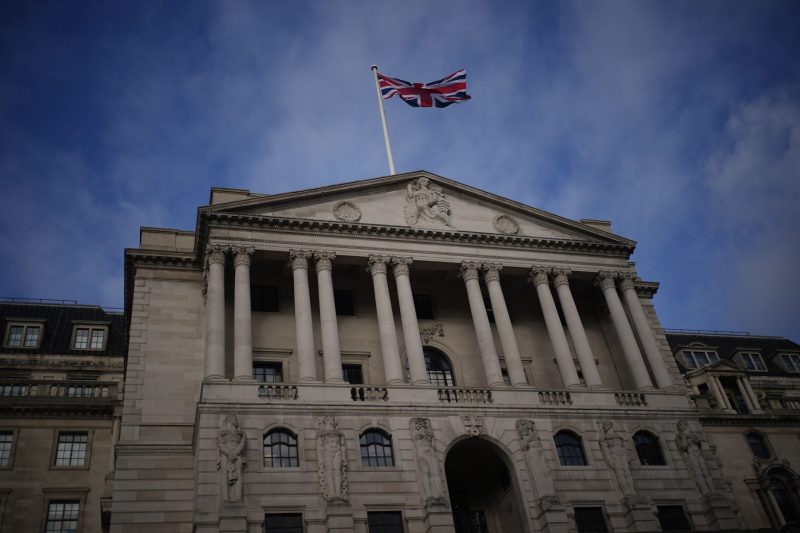
The Bank of England faces a challenging economic environment in 2025, with persistent inflationary pressures and the need to support growth. The central bank must carefully manage interest rates to balance these competing priorities. Governor Andrew Bailey has emphasized the importance of a cautious and measured approach to policy adjustments, taking into account both inflation expectations and the pace of economic recovery in the UK. Interest rate decisions are closely scrutinized by investors, businesses, and policymakers, as they directly affect borrowing costs, capital investment, and overall economic confidence.
The BoE’s policy decisions also play a critical role in shaping the British pound’s exchange rate and influencing international trade competitiveness. Inflationary pressures, if left unchecked, can erode purchasing power, while overly restrictive monetary policies may hinder economic growth. By balancing these factors, the BoE seeks to maintain price stability while fostering an environment conducive to sustainable economic development. This balancing act has broader implications for global financial markets, as fluctuations in the pound and policy divergence relative to the Fed and ECB impact capital flows, currency valuations, and international investment decisions.
Implications for Currency Markets
Divergent policies among the Fed, ECB, and BoE significantly affect global currency markets. Differences in interest rates influence capital allocation, as investors seek higher returns in jurisdictions with more favorable monetary conditions. When the Fed adopts a cautious stance, the relative appeal of U.S. assets may diminish, potentially weakening the dollar. Conversely, a more hawkish approach by the Fed can attract foreign investment and strengthen the currency. Similarly, the ECB’s accommodative policies can influence the euro, while BoE decisions affect the pound, creating a dynamic environment for currency traders and multinational corporations.
Investor expectations regarding future monetary policy also play a crucial role in shaping currency movements. Markets react not only to current interest rates but also to forward guidance, inflation projections, and geopolitical risks. The interplay between these three major central banks creates complex dynamics in forex markets, requiring investors and policymakers to closely monitor economic indicators and central bank communications. Understanding these relationships allows participants to anticipate potential currency fluctuations and manage risks associated with global capital flows.
Conclusion
The divergent monetary policies of the Federal Reserve, European Central Bank, and Bank of England reflect each institution’s unique economic priorities, challenges, and strategies in 2025. The Fed’s cautious approach seeks to balance inflation control with economic growth, the ECB maintains an accommodative stance to support eurozone recovery, and the BoE navigates inflationary pressures while fostering sustainable growth in the UK. These policy divergences have profound implications for currency markets, capital flows, and the U.S. dollar’s relative strength.
Understanding the motivations and potential impacts of each central bank’s decisions is critical for investors, policymakers, and global market participants. Effective analysis of monetary policy divergence can inform investment strategies, risk management approaches, and macroeconomic forecasting. As central banks continue to adapt to evolving economic conditions, the interplay between policy decisions and currency markets will remain a key factor shaping the global financial landscape in the coming months.