Introduction
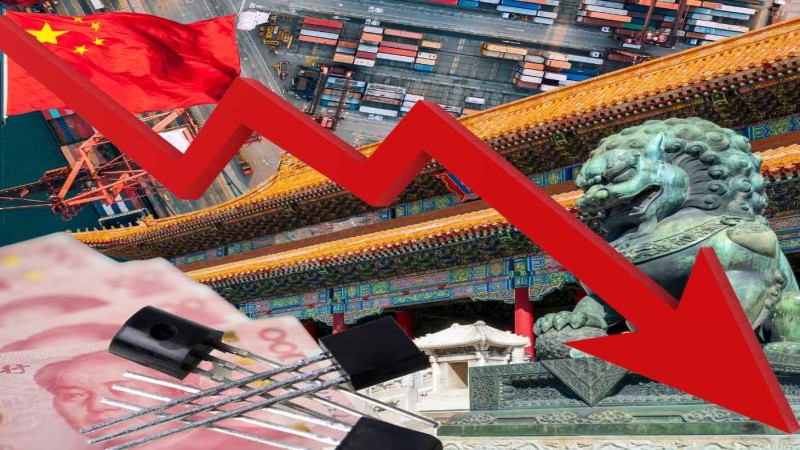
China’s recent approach to yuan depreciation has garnered significant attention from global financial markets, policymakers, and economists. The People’s Bank of China (PBOC) has allowed the yuan to weaken against the U.S. dollar, a move that has implications for global trade dynamics, currency markets, and the international demand for the U.S. dollar. This strategic decision comes amid escalating trade tensions between the United States and China, with the U.S. imposing tariffs on Chinese goods and China responding with its own set of retaliatory measures. As a result, the yuan’s depreciation is not merely a reflection of market forces but also a deliberate policy choice aimed at achieving specific economic objectives.
The implications of a depreciating yuan extend beyond bilateral trade relations between China and the United States. Given China’s integral role in global supply chains and its position as a major trading partner for numerous countries, fluctuations in the yuan’s value can influence global trade balances, investment flows, and currency valuations. Moreover, the yuan’s depreciation has the potential to affect the international demand for the U.S. dollar, as shifts in currency values can alter trade invoicing practices and reserve currency preferences among central banks worldwide.
China’s Strategy Behind Yuan Depreciation
The PBOC’s decision to allow the yuan to depreciate is driven by several strategic considerations. A weaker yuan can enhance the competitiveness of Chinese exports by making them less expensive for foreign buyers, potentially boosting export volumes and supporting economic growth. Additionally, a depreciated currency can help mitigate the impact of U.S. tariffs on Chinese goods by offsetting the increased costs imposed by these tariffs. However, the PBOC has emphasized that it does not seek a sharp depreciation of the yuan, as such a move could lead to capital outflows, increased inflationary pressures, and financial instability. Instead, the central bank aims for a controlled and gradual depreciation to achieve its economic objectives without triggering adverse side effects.
To manage the pace of depreciation, the PBOC has implemented measures such as setting the daily midpoint rate for the yuan and intervening in the foreign exchange market through state-owned banks. These interventions are designed to prevent excessive volatility and ensure that the yuan’s value remains within a range deemed acceptable by Chinese authorities. While these measures provide the PBOC with tools to influence the yuan’s value, they also highlight the challenges faced by the central bank in balancing economic objectives with the need for currency stability.
Impact on Global Trade Dynamics
The depreciation of the yuan has significant implications for global trade dynamics. As China’s currency weakens, Chinese exports become more competitively priced in international markets, potentially leading to an increase in export volumes. This shift can affect trade balances, particularly with countries that are major trading partners of China. For instance, countries in Asia and Europe that compete with China in similar export markets may experience pressure on their own export sectors as Chinese goods become more attractive to foreign buyers. Additionally, the depreciation can influence the cost structures of global supply chains, as companies that source materials or components from China may face changes in input costs.
Furthermore, the yuan’s depreciation can alter the dynamics of trade invoicing. Traditionally, many international transactions, especially in commodities, have been denominated in U.S. dollars. However, as China’s influence in global trade grows, there is a gradual shift towards using the yuan in trade invoicing, particularly in transactions involving Chinese goods and services. A weaker yuan can accelerate this trend, as trading partners may seek to denominate contracts in yuan to mitigate exchange rate risks associated with the U.S. dollar. This shift has the potential to reduce the global demand for the U.S. dollar in trade transactions, impacting its status as the world’s primary reserve currency.
Effects on U.S. Dollar Demand
The depreciation of the yuan has direct and indirect effects on the demand for the U.S. dollar. On one hand, a weaker yuan can reduce the cost of Chinese imports to the United States, potentially leading to a decrease in the demand for dollars needed to purchase these goods. On the other hand, if the yuan’s depreciation leads to increased Chinese exports, the United States may experience a widening trade deficit, which could necessitate greater foreign capital inflows to finance the deficit. These inflows are typically denominated in U.S. dollars, thereby sustaining the demand for the currency.
Moreover, the yuan’s depreciation can influence global investment patterns. As investors seek to capitalize on currency movements, they may adjust their portfolios to include assets denominated in yuan or other currencies that are perceived to be appreciating relative to the U.S. dollar. This shift can affect the demand for dollar-denominated assets and influence the valuation of the dollar in international markets. Additionally, central banks that hold significant reserves in U.S. dollars may reassess their holdings in light of changes in the global economic landscape, potentially diversifying into other currencies to mitigate risks associated with dollar depreciation.
Geopolitical Implications
The yuan’s depreciation also carries geopolitical implications, particularly in the context of U.S.-China relations. The United States has expressed concerns that China’s currency policy constitutes a form of economic manipulation aimed at gaining unfair trade advantages. These concerns have led to heightened tensions between the two countries, with the U.S. imposing tariffs on Chinese goods and China retaliating with its own set of trade measures. The ongoing trade conflict has broader implications for global economic stability, as it introduces uncertainty into international trade relations and supply chains.
In response to the yuan’s depreciation, the United States has called for greater transparency in China’s currency policies and has urged China to allow market forces to play a more significant role in determining the yuan’s value. However, China maintains that its currency policy is based on market principles and that it does not engage in competitive devaluation. The differing perspectives on currency policy have contributed to the complexity of the trade negotiations and underscore the challenges in addressing global economic imbalances.
Conclusion
China’s approach to yuan depreciation is a multifaceted strategy that reflects its economic objectives and responses to external pressures. While the depreciation can enhance the competitiveness of Chinese exports and mitigate the impact of trade tariffs, it also introduces complexities into global trade dynamics and has implications for the demand for the U.S. dollar. The interplay between currency values, trade balances, and geopolitical relations underscores the interconnectedness of the global economy and the challenges in managing economic policies in an increasingly integrated world.
As the situation evolves, it will be essential for policymakers, investors, and businesses to monitor developments in China’s currency policy and assess their potential impacts on global trade, currency markets, and economic stability. Understanding the nuances of China’s approach to yuan depreciation will provide valuable insights into the broader economic trends shaping the international financial landscape.