Introduction
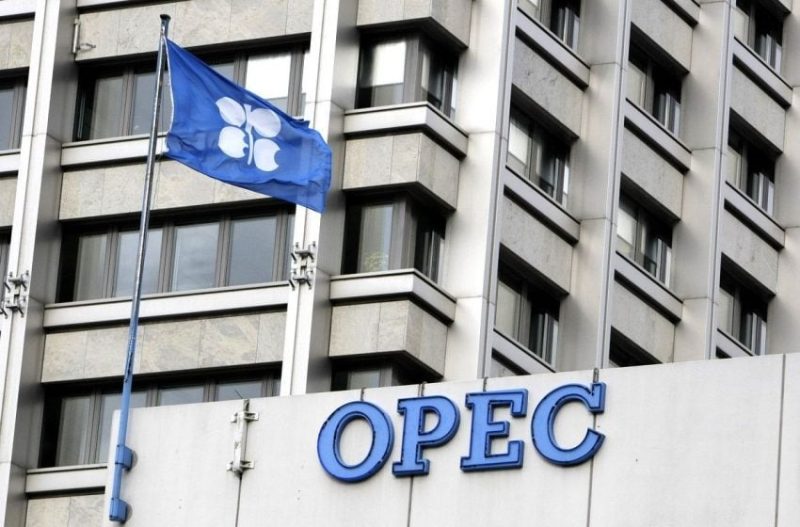
OPEC+’s decision to extend its oil production cuts has significant implications for global energy markets and the U.S. dollar. The coalition, which includes major oil-producing nations such as Saudi Arabia, Russia, and the United Arab Emirates, has historically used production cuts as a tool to manage supply, stabilize prices, and support member countries’ economic interests. In 2025, with the global economy still navigating inflationary pressures, geopolitical tensions, and uneven recovery, these extended cuts aim to maintain market balance and prevent oversupply, which could destabilize oil prices. Investors and policymakers alike closely monitor OPEC+ announcements, knowing that even small adjustments in output can ripple across commodity markets and influence global economic stability.
The relationship between OPEC+ decisions and the U.S. dollar is particularly noteworthy due to the petrodollar system. Since the 1970s, most international oil transactions have been denominated in dollars, ensuring continuous global demand for the currency. This arrangement amplifies the impact of production adjustments on exchange rates, foreign reserves, and global trade patterns. Consequently, understanding how OPEC+ production cuts interact with these macroeconomic variables is crucial for investors, central banks, and businesses that rely on energy imports and exports. The coalition’s strategy demonstrates the complex linkages between energy policy and currency stability in a globalized economy.
OPEC+’s Strategic Production Cuts
OPEC+ has consistently leveraged production cuts as a mechanism to influence oil prices, safeguard member economies, and maintain cohesion among participating nations. The extension of these cuts in 2025 represents a strategic choice to navigate a volatile market environment. Rising U.S. shale production, fluctuating demand from Asia and Europe, and economic uncertainty in major importing countries necessitated a continuation of output reductions. By managing supply carefully, OPEC+ seeks to prevent steep price declines that could harm fiscal revenues in oil-dependent nations, while also sending a signal to global markets that the coalition remains committed to market discipline.
Implementing extended production cuts, however, is not without internal and external challenges. Member countries must reconcile national fiscal needs with collective objectives. Countries with higher dependency on oil revenues face economic pressures that may conflict with agreed-upon reductions, while nations with spare production capacity may hesitate to limit output without clear incentives. Compliance monitoring, transparency, and enforcement mechanisms are therefore critical to the success of these cuts. Additionally, OPEC+ must consider the influence of non-member producers such as the United States and Brazil, whose independent production decisions can partially offset the coalition’s efforts. Maintaining unity and credibility remains central to achieving the intended market stabilization outcomes.
Impact on Oil Prices
Extended production cuts are expected to exert upward pressure on global oil prices by reducing available supply relative to steady or growing demand. By constraining output, OPEC+ aims to mitigate the risk of oversupply, which can depress prices and undermine member economies’ fiscal positions. Higher oil prices resulting from these cuts support investment in energy infrastructure, facilitate government spending in oil-reliant economies, and provide a measure of predictability for global markets. Price stabilization also benefits energy-intensive industries, allowing for better planning and reduced exposure to extreme fluctuations.
The actual impact on prices depends on a variety of factors. Compliance among OPEC+ members, levels of production from non-member countries, and demand fluctuations driven by economic growth or slowdown all play crucial roles. For example, an unexpected increase in global demand from emerging markets could amplify the price effects of OPEC+ cuts, whereas a slowdown in industrial activity or energy transition toward renewables could temper price gains. Investors and analysts monitor these variables closely to predict market trends, allocate capital effectively, and hedge against potential volatility. Understanding these dynamics is key to navigating energy markets and making informed investment decisions.
Effects on Global Trade
Oil prices directly influence global trade by affecting transportation, manufacturing, and production costs. An increase in oil prices due to production cuts can raise operational costs for businesses and increase import bills for oil-dependent countries. This, in turn, can affect trade balances, consumer prices, and inflation rates across nations. Exporters of oil, conversely, benefit from higher revenues, which may support domestic investment and economic growth. These interconnections underscore the far-reaching consequences of OPEC+ policies beyond energy markets, impacting global trade flows and macroeconomic stability.
Changes in oil prices also affect corporate strategies and supply chains worldwide. Companies in sectors such as shipping, logistics, and manufacturing may adjust production schedules, pricing strategies, or sourcing decisions in response to rising energy costs. Emerging markets are particularly sensitive to such shifts, as energy expenses represent a larger proportion of overall costs. Consequently, OPEC+ production decisions indirectly influence global investment patterns, trade negotiations, and even international economic policy planning. Understanding the linkage between energy markets and trade is essential for stakeholders seeking to anticipate and respond to evolving global economic conditions.
The U.S. Dollar and the Petrodollar System
The U.S. dollar’s global prominence is reinforced by the petrodollar system, which ties most international oil transactions to the currency. This arrangement creates consistent demand for dollars, as countries need to maintain reserves for oil purchases. Any significant changes in production or pricing within OPEC+ have the potential to influence this system, affecting dollar strength, reserve accumulation, and global liquidity. When oil prices rise due to production cuts, countries may need to purchase more dollars to conduct trade, thereby supporting the currency. Conversely, if cuts are insufficient or global demand falls, the dollar could face downward pressure.
OPEC+’s influence on the dollar extends beyond mere pricing effects. By shaping oil market conditions, the coalition indirectly affects interest rates, trade balances, and investor behavior worldwide. Fluctuations in oil prices can influence inflation expectations and monetary policy decisions in the United States, which in turn feed back into currency markets. Understanding this complex relationship is critical for investors, corporations, and policymakers seeking to anticipate currency movements and manage exposure to financial risks associated with oil and energy markets.
Conclusion
OPEC+’s decision to extend oil production cuts highlights the coalition’s strategic role in stabilizing global energy markets while influencing international financial dynamics. By limiting supply, OPEC+ aims to maintain oil prices at sustainable levels, support member countries’ fiscal health, and provide predictable conditions for global markets. These decisions carry important consequences for trade, investment, and the U.S. dollar, emphasizing the deep interconnections between energy policy and macroeconomic stability.
For investors, traders, and policymakers, monitoring OPEC+ actions is essential to understanding broader economic trends and anticipating shifts in both commodity and currency markets. The extended cuts are not merely a short-term intervention; they represent a deliberate strategy with long-term implications for oil prices, trade balances, and the U.S. dollar’s position in global finance. Adapting to these developments requires careful analysis, proactive risk management, and strategic planning to navigate the complexities of an interconnected global economy.