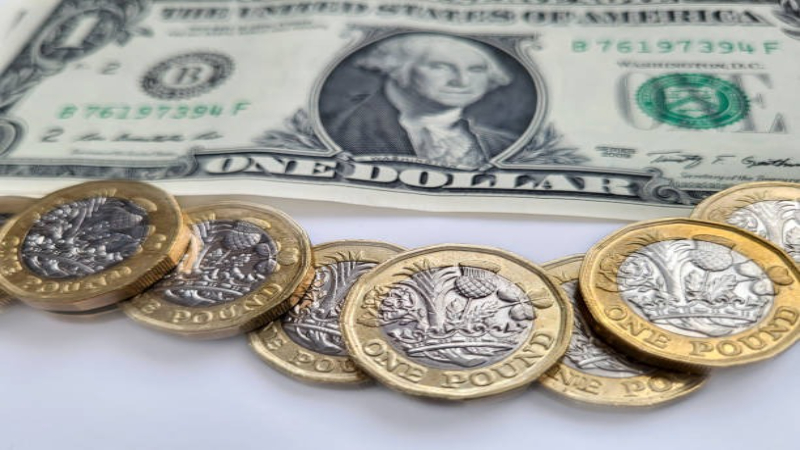
The U.S. dollar advanced against major currencies on Tuesday as investors grew less confident about the prospect of near-term Federal Reserve rate cuts, while the British pound slumped sharply on renewed domestic fiscal concerns. The greenback’s strength reflected both a shift in market sentiment toward safety and a repricing of interest-rate expectations following a week of volatile trading in global markets.
The dollar index, which measures the U.S. currency against a basket of six peers, edged up to around 100.17, its highest level since early August. Traders said the move was driven by mounting skepticism that the Fed would cut rates in December as economic data continued to show resilience in the U.S. labor and services sectors. Market pricing now implies about a 65 percent chance of a rate cut next month, down from nearly 95 percent a week earlier.
Analysts noted that safe-haven flows also boosted the dollar as equities in the U.S. and Europe declined amid renewed concerns about global growth. Investors are increasingly shifting to cash and dollar-denominated assets as a hedge against volatility, a pattern that has historically strengthened the greenback during periods of economic uncertainty.
The British pound came under particularly heavy selling pressure, falling to a seven-month low near $1.30. Comments from UK Finance Minister Rachel Reeves about the government’s need for “hard fiscal decisions” ahead of the upcoming budget fueled expectations that tighter fiscal conditions could weigh on growth, prompting traders to price in a potential rate cut from the Bank of England in early 2026.
Elsewhere, the euro slipped to around $1.15, its weakest level since August, as investors adjusted positions in favor of the dollar. Meanwhile, the Japanese yen and Swiss franc gained modestly, reflecting a partial return to traditional safe-haven currencies. The combination of rising U.S. yields and risk aversion has reinforced the dollar’s position as the most attractive reserve currency in the near term.
Currency strategists said the dollar’s rally could continue if the Fed maintains a cautious stance on rate cuts and global markets remain under pressure. However, they also warned that the upside may be limited if inflation data cools further or if investor sentiment stabilizes. For now, the greenback remains supported by both its yield advantage and its safe-haven appeal, while the pound and euro face increasing headwinds from weaker economic outlooks.