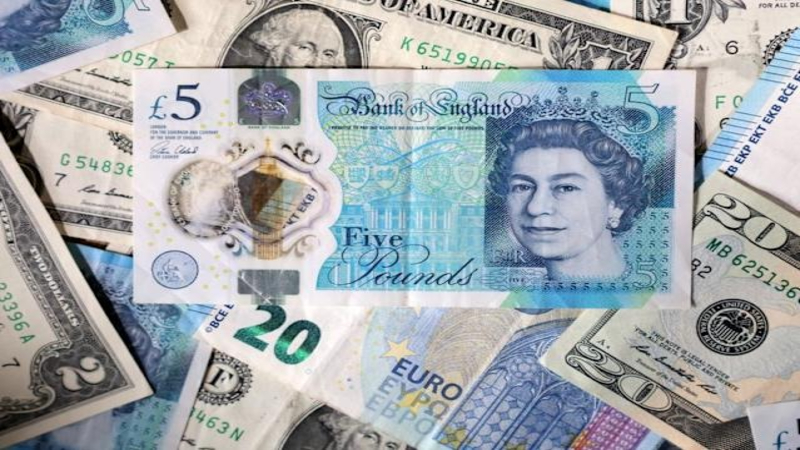
The US dollar edged lower on Thursday, retreating from recent peaks as investors positioned ahead of key central bank meetings and fresh economic data. Sterling held steady as markets looked toward the Bank of England’s rate decision, while global bond yields continued to soften on expectations that major central banks may begin easing policy earlier than anticipated.
The dollar index, which tracks the greenback against a basket of major currencies, slipped modestly after touching a one-week high earlier in the session. Traders took profits on recent gains amid a cautious tone in global markets and signs that the Federal Reserve could be nearing the end of its tightening cycle.
US Treasury yields fell slightly, with the benchmark 10-year note hovering near 4.32 percent. The move reflected renewed demand for government bonds following weaker-than-expected US labor data earlier this week. Market participants interpreted the figures as another indication that inflationary pressures are easing, increasing the likelihood of a policy pivot by the Fed within the next few months.
In currency markets, the British pound traded flat around $1.29 as investors awaited the outcome of the Bank of England’s policy meeting. Analysts expect the central bank to keep rates unchanged but maintain a cautious stance amid persistent inflation concerns. The decision will provide further signals about how policymakers plan to balance inflation risks with the need to support economic growth in 2026.
The euro recovered slightly, trading near $1.08, while the Japanese yen remained under pressure despite government efforts to curb volatility in the foreign exchange market. The broader tone in Asia and Europe suggested a move toward stabilization after several weeks of heightened currency fluctuations driven by shifting interest rate expectations.
Equity markets were mixed, with US futures showing slight gains and European shares trading narrowly higher. Investor sentiment remained restrained as traders awaited additional guidance from central bankers on both sides of the Atlantic. The combination of lower bond yields and softer US data has tempered expectations for a strong dollar rally in the near term.
Market strategists note that recent moves reflect growing confidence that the Fed has successfully moderated inflation without triggering a major economic slowdown. However, they caution that sustained strength in the dollar will depend on how global monetary policy converges in the coming quarters, particularly if the European Central Bank and the Bank of England begin cutting rates ahead of the Fed.
As the week concludes, attention will shift to Friday’s US consumer confidence report and upcoming inflation data, both of which could influence near-term currency direction. For now, the dollar’s retreat suggests a broader recalibration in investor positioning after months of volatility across global currency markets.