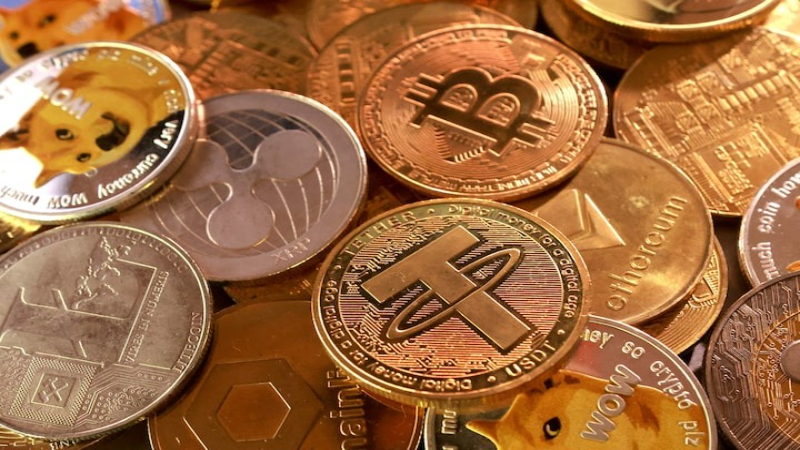
A growing number of publicly traded companies known as digital asset treasuries are moving beyond bitcoin and ether into smaller, lesser-known cryptocurrencies, sparking fears of increased volatility across both crypto and equity markets. These firms, once seen as vehicles for mainstream crypto exposure, have begun targeting exotic tokens to amplify returns amid declining enthusiasm for major digital assets. Analysts say the shift reflects how deeply intertwined digital assets have become with traditional financial markets, creating potential risks for investors as speculative momentum replaces strategy.
The trend gained momentum under a more crypto-friendly policy environment in the United States and after the high-profile success of corporate bitcoin holder Strategy. Law firm estimates suggest more than 200 digital asset treasury companies now manage over $150 billion in crypto assets, triple last year’s total. Many of these firms, including small-cap and penny stocks, have launched new buying programs for lesser-known tokens such as BERA, NEAR, and Canton Coin to sustain profits as bitcoin prices weaken. Market strategists warn this behavior mirrors previous speculative cycles where capital rushed toward volatile assets in search of short-term gains, often resulting in sharp losses once momentum faded.
Recent filings show that many treasury companies are financing purchases through private placements and share sales to private investors, commonly known as PIPEs. Between April and November, at least 40 such firms raised a combined $15 billion through these mechanisms, with only a handful focused on bitcoin. Analysts believe this dependence on external financing makes these companies highly sensitive to market swings. When broader markets fell in October, several digital asset treasuries saw double-digit stock declines, reflecting their growing exposure to crypto volatility. The same market moves that affect token prices now directly impact listed equities, blurring the line between digital assets and traditional trading behavior.
Investors and regulators are closely watching whether the surge in fringe-token accumulation could destabilize broader markets. Many treasury firms now hold meaningful shares of leading digital assets, controlling around 4 percent of all bitcoin and smaller percentages of ether and solana. Analysts expect consolidation as weaker firms struggle with funding constraints and investor fatigue. While some executives argue that diversification into smaller tokens offers innovation and long-term potential, others caution that the speculative focus may undermine confidence in digital asset strategies. As digital treasuries expand into riskier territories, their growing influence could become a key test for how far traditional markets can absorb crypto-driven volatility.