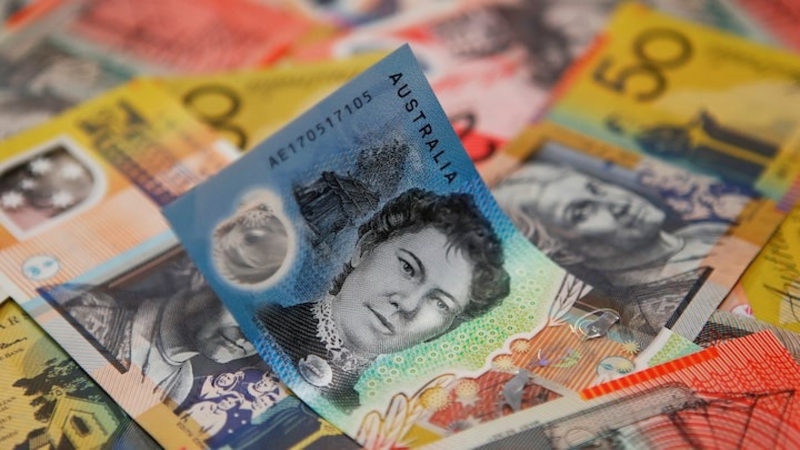
The US dollar remained steady on Monday as signs of progress in ending the 40-day government shutdown lifted global risk sentiment. The Australian dollar and other growth-sensitive currencies advanced against the greenback, while traditional safe havens such as the Japanese yen weakened amid renewed optimism that Washington may soon resolve the fiscal deadlock. The US Senate advanced a measure late Sunday aimed at reopening the government, a move that temporarily eased investor concerns after weeks of halted federal operations and mounting economic uncertainty.
Market analysts said that expectations of political compromise and the potential for new pro-growth fiscal policies contributed to a modest rebound in risk appetite. Adam Button, chief currency analyst at investingLive in Toronto, noted that “this looks like a setback for Democrats and could clear the path for increased spending initiatives.” The prospect of higher fiscal outlays has lifted sentiment across equities, gold, and other growth-linked assets. Still, currency movements were limited by thin trading volumes ahead of the Veterans Day holiday on Tuesday, which is expected to reduce market activity further.
By midday trading in New York, the dollar index slipped 0.14% to 99.59, while the euro held steady near $1.564. The dollar gained 0.44% to 154.07 yen, reflecting mild weakness in the Japanese currency. The Australian dollar rose 0.57% to $0.6528, supported by stronger risk appetite and local monetary developments. Analysts said the Aussie often serves as a proxy for global growth expectations, moving in tandem with equity performance.
Investors are now turning their attention to pending US economic data, particularly the non-farm payrolls report, which has been delayed due to the shutdown. Market pricing currently reflects about a two-thirds chance of a Federal Reserve rate cut in December, although this could shift once fresh economic data is released. In Asia, Japanese Prime Minister Sanae Takaichi signaled more flexible fiscal targets, suggesting additional spending ahead, while the Bank of Japan’s latest statement indicated that the outlook for Japan’s economy is improving, potentially paving the way for a rate hike in December.
Meanwhile, Reserve Bank of Australia Deputy Governor Andrew Hauser said in a recent address that financial conditions in Australia are now close to neutral, a stance interpreted by markets as mildly hawkish. The comment pushed the Aussie higher and reinforced expectations that Australia’s central bank will remain cautious about cutting rates. In cryptocurrencies, Bitcoin rose 0.53% to $105,060, tracking the broader risk-on sentiment across markets.