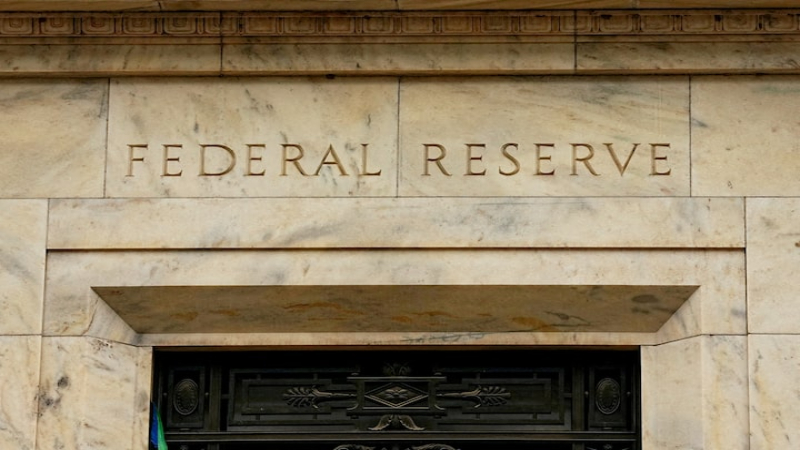
The Federal Reserve is increasingly expected to lower interest rates again next month, as a softening job market and persistent inflation pressures drive expectations for another round of policy easing. A Reuters poll of economists found that eighty percent anticipate a twenty-five basis point cut at the December 10 meeting, which would bring the federal funds rate to a target range of 3.50 to 3.75 percent. The majority view reflects a growing consensus that the Fed must act to support hiring and sustain growth following a slowdown in labor market momentum. However, disagreement remains within the Federal Open Market Committee, where several members have cautioned against cutting too quickly amid lingering inflation concerns. Chair Jerome Powell has said a December move is not guaranteed, highlighting the need for clearer data following weeks of missing reports during the record government shutdown. Economists argue that the uneven recovery in employment and rising economic uncertainty make a strong case for a precautionary rate cut before year-end.
Analysts say the Fed is walking a delicate line as it tries to balance slowing job growth with inflation that has remained stubbornly above target. The Personal Consumption Expenditures index, the Fed’s preferred inflation gauge, has exceeded the two percent goal for more than four consecutive years, the longest stretch since 1995. Economists in the poll expect it to remain above target through 2027, suggesting that inflationary pressures will persist even as growth cools. Vanguard economist Josh Hirt said the trend could challenge the Fed’s credibility if price increases remain unchecked, warning that tariff-driven inflation may prove more lasting than policymakers expect. UBS economist Abigail Watt added that the labor market’s relative weakness justifies the expected December move, though she noted that any strong incoming data could shift that view. For now, the policy debate reflects a growing tension between the Fed’s dual mandates of controlling inflation and preserving employment stability.
The broader economy appears to be losing momentum heading into winter. Growth is projected to slow to one percent this quarter after expanding 2.9 percent in the previous period, and economists expect only modest gains through 2027. About seventy percent of those surveyed said job growth has held steady during the shutdown, but private data indicate small declines in hiring and rising caution among employers. The unemployment rate, last reported at 4.3 percent, is expected to edge up to 4.5 percent next year as firms scale back recruitment. Bank of America economist Stephen Juneau said the job market is “cooling but not collapsing,” describing the slowdown as one driven by fewer hires rather than widespread layoffs. Most analysts agree that if the next round of data confirms softening conditions, the Fed will proceed with a third consecutive rate cut to maintain economic balance. While uncertainty lingers about policy beyond 2026, economists broadly believe the central bank is nearing the end of its tightening cycle and shifting toward a period of gradual easing aimed at steady growth.