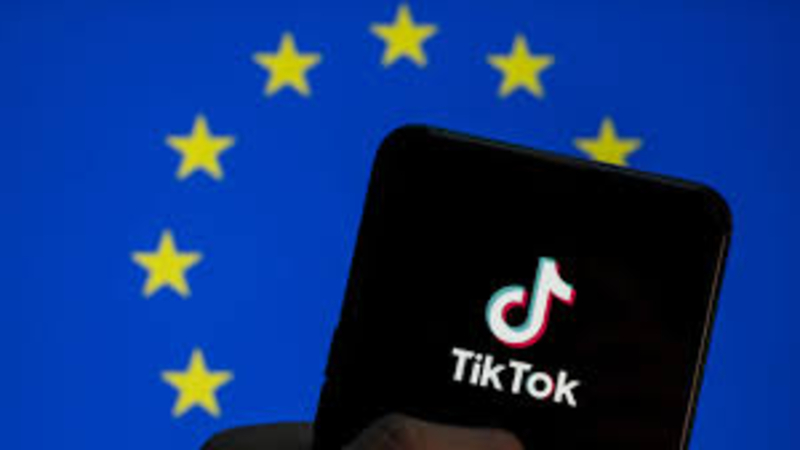
The European Central Bank has a reputation for being cautious, measured and extremely careful with its public messaging, which is why crypto traders were caught off guard when a subtle line in a routine update hinted at a surprisingly playful direction for the digital euro. It was only a small suggestion about customizable user settings within the currency’s interface, but that was enough to ignite a wildfire across TikTok. Within minutes, creators started posting reaction clips, mock demos and rapid fire breakdowns trying to decode what a personality mode for a central bank digital currency could even look like.
The digital euro has been a slow burn topic for months, mostly discussed in official papers or at economic panels. Yet one hint about personalization suddenly made it relatable to younger traders who want currency tools that feel intuitive and mobile friendly. The possibility of a flexible interface added a layer of excitement, especially among Gen Z investors who already treat financial dashboards like social apps. What looked like a quiet technical update turned into a viral wave that merged memes with policy talk in a way only modern markets can create.
A tiny comment sparks massive speculation
The spark came from a brief mention that future iterations of the digital euro may allow users to choose how their interface behaves. It was never described as a fully interactive mode, but the mere idea of customization pushed creators to imagine how flexible the system could become. Some posts humorously predicted menus that react to spending habits while others proposed color coded dashboards tailored to transaction types. The speculation expanded so quickly that traditional finance analysts found themselves responding to trends that originated on social feeds rather than press conferences.
For policymakers, personalization is often about accessibility and user comfort. For TikTok traders, it is a chance to blend finance with the digital personalities they curate online. The contrast between these interpretations created a surprising conversation that reached audiences far beyond the typical readership of central bank updates. What started as a design note became a cultural moment that highlighted how digital currencies can shift public perception through the smallest details.
Gen Z traders jump into analysis mode
Young traders wasted no time diving into what this could mean for practical use. Some saw personalization as a way to make currency management feel less rigid and more engaging. Others focused on how a digital euro with customizable elements might streamline on chain interactions, especially for those who juggle multiple wallets. The tone stayed playful, but the underlying analysis showed a real interest in how central bank technology could evolve toward user centric tools.
The conversation also broadened to comparisons with existing stablecoins. Since many crypto platforms already offer customizable dashboards, Gen Z traders imagined how the digital euro might compete in terms of flexibility. They debated whether personalization could give traditional institutions a more modern edge or whether central banks would keep the feature extremely limited. The theories ranged from conservative to wildly creative, reflecting the mix of humor and curiosity that defines digital market communities.
Market watchers track sentiment as the topic trends
The viral momentum pushed analysts to examine potential market effects. Even though personalization does not directly influence monetary policy, sentiment matters, and this wave brought renewed attention to the digital euro timeline. Some traders speculated that increased public interest might accelerate user testing phases. Others wondered if policymakers would adjust communication strategies now that their smallest hints can spark huge online reactions.
The surge in interest also raised questions about how stablecoins might respond. A digital euro with enhanced usability could eventually influence how traders balance their holdings across fiat pegged assets. While no immediate changes were detected in on chain behavior, market watchers took note of the heightened conversation, recognizing that mass attention often precedes shifts in positioning.
Why the digital euro suddenly feels modern
The real reason this moment resonated so strongly is simple. Most people interact with financial tools through screens, not banks, and a customizable interface feels modern in a way traditional currencies never have. Younger users crave tools that align with their habits, preferences and daily rhythms. Even a hint that the digital euro may adopt a flexible approach made it feel closer to the digital lifestyle they already lead.
Central banks rarely capture the imagination of TikTok users, yet this moment bridged the gap between policy and pop culture through design alone. It highlighted how the future of money will not be shaped only by economics but also by user experience. The reaction served as a reminder that in a hyperconnected world, even a quiet suggestion can ripple across millions of screens.
Conclusion
The ECB did not announce a fully interactive digital euro, but its brief reference to user customization was enough to ignite a wave of excitement across social platforms. Gen Z traders dissected the idea from every angle, analysts tracked sentiment shifts and the market gained a new perspective on how digital currencies can connect with the public. It showed that the future of money is not just technical but personal and one subtle hint was enough to prove it.