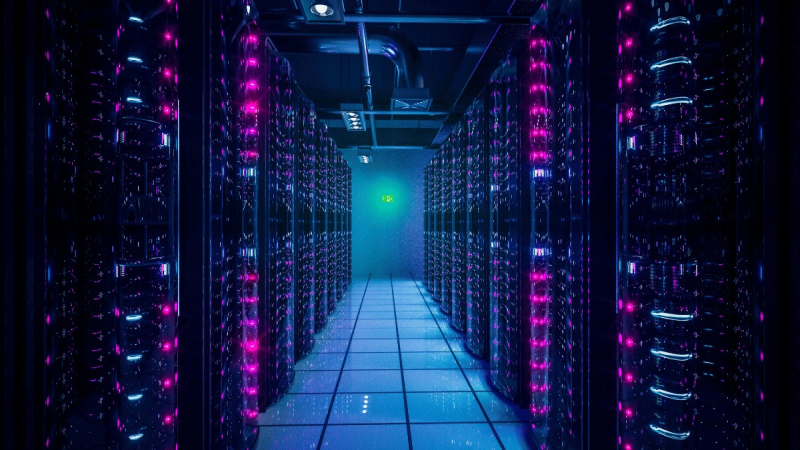
The worldwide surge in AI computing has pushed data centers into a high-pressure moment as operators confront the growing challenge of preventing systems from overheating. A major outage at CME Group, the world’s largest derivatives exchange operator, has put the issue under a spotlight after a cooling failure at a CyrusOne facility near Chicago halted trading across currencies, commodities, Treasuries and stock futures. The disruption instantly reignited concerns that current cooling setups are not keeping pace with the explosive power demands of AI workloads. Data centers run dense racks of servers that stay active around the clock, generating intense heat that traditional air-based cooling systems struggle to manage. Experts say modern AI chips must remain within extremely narrow temperature ranges or risk malfunctioning, flipping off or causing cascading system failures. As AI adoption accelerates, many operators are discovering that historical infrastructure wasn’t built for this generation of power draw, creating a growing vulnerability inside one of the world’s most critical digital backbones. The race to keep hardware cool has quickly become as important as computing itself, especially as outages ripple through global markets.
Liquid cooling is emerging as the leading alternative, with efficiency levels thousands of times higher than air cooling, but it brings its own complications such as leaks, corrosion risks and specialized maintenance demands. Water usage is also becoming a major concern in regions already facing scarcity issues, pushing companies to innovate further. Microsoft recently introduced a waterless cooling architecture that recycles liquid in a closed loop, eliminating the need for constant external supply and signaling what next generation data centers may look like. Operators are testing strategies to capture and reuse waste heat, turning cooling burdens into energy resources. Despite the urgency, outages linked directly to cooling failures remain rare due to strict uptime requirements that often exceed 99.99 percent. Power disruptions still account for most large incidents, but the rise of AI centric workloads is forcing operators to rethink assumptions about what systems can handle under sustained load. As compute requirements multiply each quarter, cooling becomes a defining bottleneck shaping the future geography of global data infrastructure.
The pressure is driving intense consolidation and investment across the cooling sector. Companies are racing to secure technology capable of supporting hyperscale AI demand, fueling billion-dollar acquisitions. Eaton recently agreed to acquire Boyd Corporation’s thermal business for more than nine billion dollars, a deal reflecting the value of cutting-edge cooling assets in the AI era. Vertiv is also expanding its footprint through a one billion dollar purchase of PurgeRite Intermediate to boost liquid cooling capabilities. Analysts estimate that up to forty percent of a data center’s total energy consumption is now spent on keeping equipment cool, turning thermal management into one of the largest operational variables in digital infrastructure. As AI models grow in size and businesses outsource more storage and compute, cooling becomes a global economic issue rather than a technical footnote. Operators worldwide are now locked into a race to reinforce resilience before the next generation of AI hardware pushes heat output even higher. The CME incident is being viewed as a warning shot that the industry can no longer ignore, especially as demand intensifies into 2026.