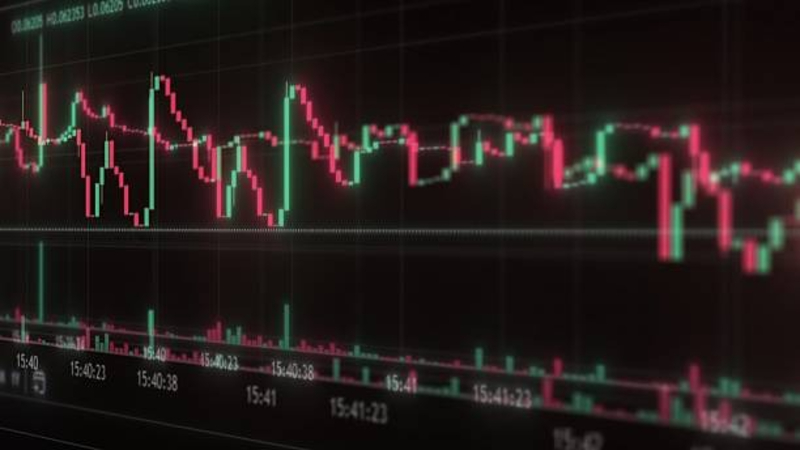
Volatility across crypto markets has picked up again as traders react to renewed strength in the US dollar following fresh pressure on Treasury markets. The USD Index recorded a modest upward move as supply concerns pushed yields higher, reinforcing expectations that dollar conditions may remain firm in the near term. This development created a ripple effect across digital assets, where liquidity sensitive tokens responded quickly to the change in macro tone.
The rebound in crypto volatility reflects how closely digital markets track shifts in dollar sentiment. Even a small upward adjustment in the USD Index can influence trader positioning, especially when higher yields raise questions about funding conditions. As traders reassess risk exposure, automated strategies amplify market reactions, contributing to short bursts of volatility that often occur before broader repositioning is visible in standard indicators.
Why Treasury Supply Pressure Is Influencing Crypto Volatility
Treasury markets remain one of the most important reference points for global liquidity conditions. When increased supply pushes yields higher, it can affect risk appetite across multiple asset classes. Higher yields often strengthen the dollar because they make dollar denominated instruments more attractive, which influences capital flows. As the dollar moves, crypto markets tend to reflect the shift relatively quickly.
AI driven models that track global volatility correlations identified a clear increase in sensitivity between crypto price movements and Treasury dynamics. These models detected that traders responded not only to the rise in the USD Index but also to the underlying reasons for the move. Supply driven yield pressure suggests that markets may continue to adjust expectations for short term funding. This forms part of the reason why crypto volatility gained momentum following the initial dollar movement.
Order flow analysis reinforces this interpretation. As Treasury yields moved higher, liquidity providers shifted spreads in select digital assets to reflect increased uncertainty. These adjustments serve as early signals that traders may expect choppier conditions before macro trends stabilize.
Automated Strategies Amplify Market Reaction To Dollar Shifts
Automated trading strategies played a significant role in timing the volatility rebound. Many algorithmic models incorporate dollar movement as a real time input to determine exposure levels. When the USD Index increases, even modestly, these systems often rebalance their portfolios by reducing risk in more volatile tokens and increasing exposure to assets that respond more predictably to macro trends.
This rebalancing process generates increased trading activity, which contributes to higher volatility. Machine learning models identified a surge in short term execution volume across multiple trading pairs, marking it as an environment where traders reacted quickly to dollar strength. By tracking this behavior, the models provide insight into how automated systems translate macro signals into rapid market adjustments.
The effect was particularly noticeable during periods of thinner liquidity, where even small movements in order flow can result in larger price swings. This creates an environment where volatility appears to rebound sharply even if absolute price changes remain moderate.
Market Liquidity Conditions Shift As Traders Reposition
Liquidity conditions across major exchanges shifted noticeably as the USD Index climbed. Depth in high beta tokens decreased while liquidity in more stable assets held firmer. This reflects a trend where traders opt for more measured positioning when macro uncertainty increases.
Spread behavior also contributes to the broader volatility narrative. When spreads widen during periods of rising dollar strength, it often signals that market makers are pricing in additional caution. This behavior aligns with historical patterns where liquidity adjusts ahead of macro events or policy updates.
Sentiment indicators show that traders are not necessarily moving into full risk off posture but are instead recalibrating exposure. This measured repositioning supports the rise in volatility without suggesting that markets expect a prolonged downturn.
Treasury Dynamics Highlight Macro Influence On Digital Assets
The latest volatility rebound underscores the growing influence of Treasury dynamics on crypto markets. As yields push higher, traders increasingly factor in tighter funding conditions and stronger dollar signals. Digital assets that traditionally thrive during periods of high liquidity can experience short term pressure as these conditions evolve.
Machine learning tools tracking cross market relationships have gradually increased the weighting of Treasury related inputs in their analysis. This reinforces the idea that crypto markets are becoming more deeply integrated into global macro frameworks.
Conclusion
Crypto volatility rebounded as the USD Index strengthened in response to Treasury supply pressures. The shift reflects heightened macro sensitivity across digital assets, with liquidity adjustments, automated trading behavior and Treasury dynamics all contributing to the renewed volatility.