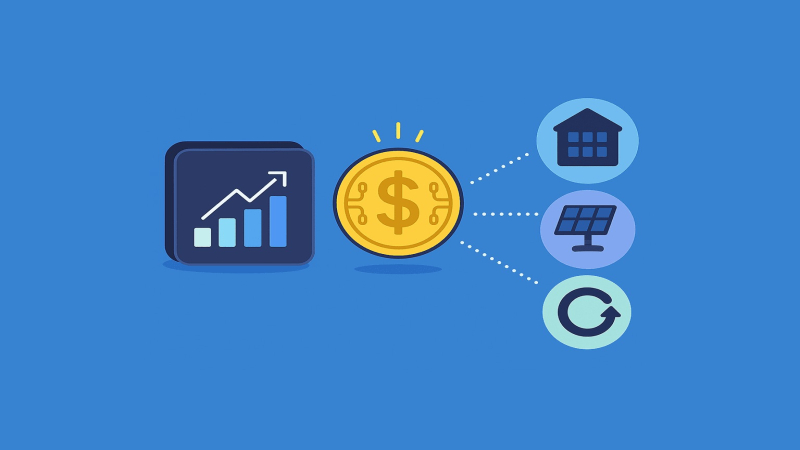
Sovereign wealth funds are beginning to explore luxury asset tokenization as they search for new ways to diversify portfolios and improve long term return profiles. As global markets experience periods of fluctuating volatility and changing yield dynamics, funds are evaluating alternative assets that can offer resilience and potential appreciation. Tokenization has emerged as a promising avenue because it allows high value luxury assets to be divided into fractional units, increasing liquidity while maintaining exposure to specialized markets.
This shift is part of a broader interest among large institutional investors in expanding their allocations beyond traditional equities and fixed income. Luxury assets such as rare art, collectibles, vintage automobiles, and high end jewelry have historically been difficult to access and manage at scale. Tokenization offers a digital structure that can standardize ownership, simplify transactions, and create transparent records of provenance, making these assets more practical for large funds to consider.
Why sovereign funds are evaluating tokenized luxury assets
One of the main motivations behind the interest is the search for uncorrelated return streams. Luxury assets often behave differently from global equity benchmarks, making them appealing during periods of market instability. By tokenizing these assets, sovereign funds gain access to markets that were once limited by high entry barriers and low liquidity. This supports strategic diversification efforts without requiring the funds to purchase entire physical assets.
Another factor driving interest is the operational efficiency that tokenization introduces. Traditional luxury asset investment involves significant management oversight, secure storage, and complex valuation processes. Tokenized models streamline these steps by embedding ownership records and transaction history into digital formats. This reduces administrative burdens and provides funds with quicker access to market data.
The flexibility of fractional ownership is also attractive. Instead of allocating capital to a single high cost physical item, funds can distribute exposure across multiple tokenized assets. This approach spreads risk and allows for more precise portfolio construction within alternative asset categories.
How tokenization improves access to luxury asset markets
Tokenization transforms illiquid assets into digital instruments that can be traded on regulated platforms. This increased liquidity allows investors to adjust positions more easily than traditional luxury markets, where selling an item can take months. Digital marketplaces supporting tokenized assets offer faster execution and more consistent pricing transparency.
Enhanced accessibility also encourages broader market participation. Investors from different regions can access the same tokenized asset without navigating complex international ownership procedures. This global participation supports price discovery and increases the depth of luxury asset markets. As more institutions evaluate tokenized offerings, liquidity could improve further.
Why institutional interest is growing across private markets
Sovereign funds are not alone in exploring tokenized luxury investments. Pension funds, endowments, and wealth managers are also evaluating how tokenization can expand their exposure to private markets. Luxury assets often serve as long term stores of value and can complement portfolios with stable growth objectives. Tokenization supports this strategy by enabling scalable, secure, and regulated access.
Institutions are especially interested in platforms that use high quality verification standards. These systems ensure that the physical asset backing each token is authenticated, insured, and professionally managed. The presence of regulated custodians further strengthens institutional confidence and reduces perceived risk.
Growing confidence in tokenized infrastructure also contributes to adoption. Enhanced cybersecurity tools, audited smart contracts, and standardized reporting frameworks make it easier for institutions to comply with regulatory requirements while engaging with digital asset markets.
Could luxury asset tokenization become a mainstream allocation for sovereign funds
Whether tokenized luxury assets become a formal allocation category for sovereign funds will depend on continued development of market infrastructure. Liquidity, regulatory clarity, and valuation standards are key components that must mature for large scale adoption. If these elements strengthen, tokenized assets could complement existing alternative allocations such as private equity, real estate, and infrastructure.
Sovereign funds are known for gradual but strategic adoption of new asset classes. Tokenization may follow a similar path, beginning with pilot allocations and expanding as platforms demonstrate reliability. The long term potential is significant because tokenization aligns with broader trends toward digitization, diversification, and improved access to global markets.
Conclusion
Sovereign wealth funds are exploring luxury asset tokenization as a way to diversify portfolios and gain exposure to uncorrelated markets. Tokenization improves liquidity, simplifies ownership structures, and expands access to high value assets. As infrastructure develops, tokenized luxury assets may become an increasingly important component of institutional investment strategies.