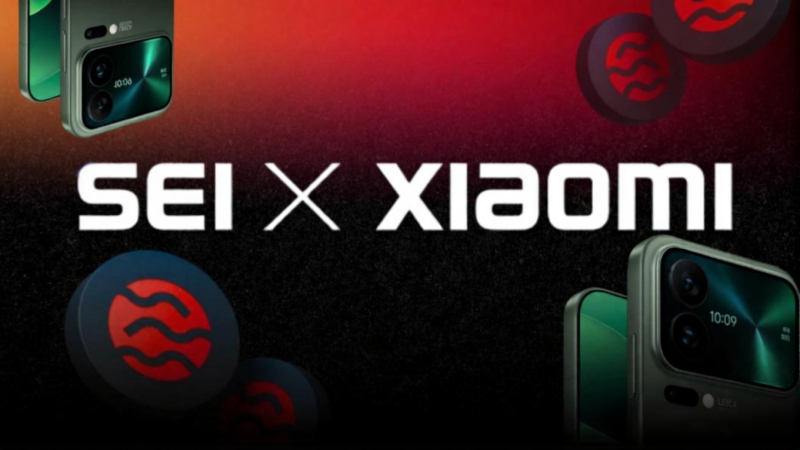
Global crypto adoption took a practical turn this week as consumer tech and sovereign experimentation moved closer to everyday users. Xiaomi confirmed plans to roll out built in crypto wallet functionality on select smartphones outside China and the United States, integrating support for the Sei blockchain. The move brings asset storage and transfers directly into mobile hardware rather than third party apps, lowering friction for new entrants. Sei’s low latency design and reduced transaction costs make it suitable for frequent activity, aligning with Xiaomi’s mobile first audience. The announcement reflects a broader shift where hardware companies increasingly view digital finance as a native feature rather than an add on. For markets where banking access remains uneven, phone based crypto tools can act as an alternative rail, accelerating exposure to decentralized finance and tokenized assets through familiar consumer devices.
At the same time, Bhutan introduced a gold backed digital token issued on the Solana blockchain, marking another step in the quiet expansion of sovereign tokenization. Each token represents vaulted physical gold, allowing holders to gain exposure to the asset without traditional custody barriers. Solana’s fast settlement and low fees position the token for everyday transfers rather than long term storage alone. Bhutan’s approach highlights how smaller nations are experimenting with blockchain to modernize financial access while maintaining asset backing and transparency. The structure appeals to users seeking stability rather than volatility, blending commodity exposure with digital infrastructure. Together with rising stablecoin usage across emerging markets, gold tokens are increasingly viewed as bridges between traditional value storage and programmable finance systems.
Viewed together, the Xiaomi wallet expansion and Bhutan’s token launch reflect a coordinated global signal rather than isolated developments. Consumer technology firms are embedding crypto access at the device level while governments test asset backed digital instruments on public blockchains. The result is a steady normalization of tokenized finance across both retail and institutional layers. As mobile hardware becomes a gateway to blockchain activity and sovereign backed tokens gain traction, barriers between traditional assets and digital markets continue to thin. For traders and builders alike, these moves suggest that the next adoption wave will arrive through convenience and utility rather than speculation, reshaping how digital finance integrates into daily economic activity.