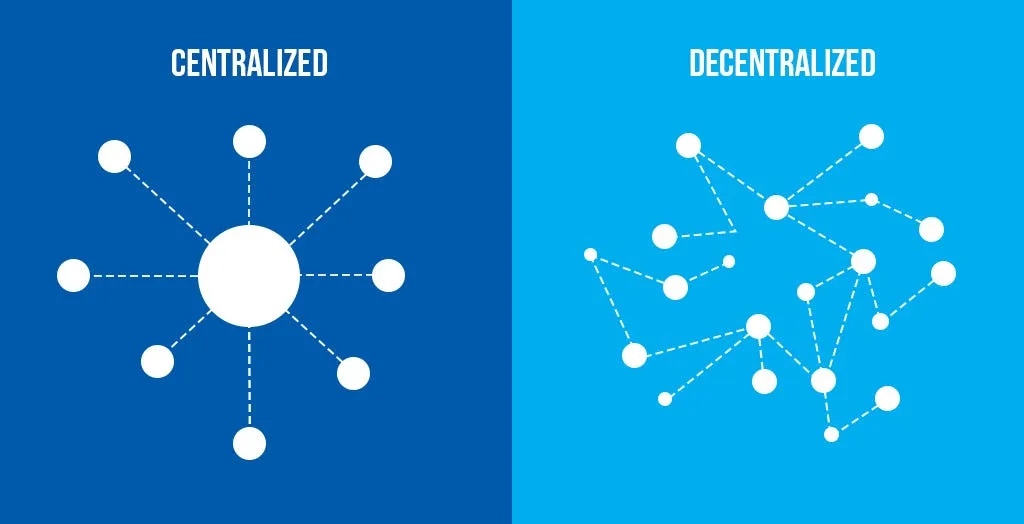
Global finance is experiencing a structural shift in how transactions are settled. New payment rails, digital platforms, and regional systems are emerging alongside traditional banking networks. This fragmentation has prompted frequent questions about whether the dominance of the US dollar is weakening. Yet when settlement behavior is examined closely, the dollar continues to hold its central position.
Fragmentation does not automatically imply displacement. Instead, it reflects diversification in infrastructure while the underlying monetary anchor remains intact. Tracking dollar dominance within this evolving settlement landscape reveals how adaptability rather than replacement is shaping the future of global finance.
Settlement Fragmentation Changes Pathways Not Anchors
Settlement fragmentation refers to the growing number of systems through which value can move. These include digital platforms, faster payment systems, and alternative clearing arrangements. While the routes have multiplied, the destination often remains the same.
Most global transactions still rely on dollar valuation and dollar liquidity at some point in the settlement chain. Even when regional systems handle local clearing, final settlement and risk management frequently reference the dollar.
This distinction is critical. Infrastructure can fragment while monetary dominance persists. The dollar remains the common reference that connects these diverse systems.
Why Dollar Dominance Persists Amid Change
Dollar dominance is rooted in trust, liquidity depth, and global acceptance. These attributes are not easily replicated. Fragmented settlement systems still require a stable unit of account and a reliable store of value.
The dollar fulfills this role across markets and jurisdictions. Institutions continue to prefer dollar based settlement for its predictability and integration with global financial operations.
As new systems emerge, they often adapt to dollar standards rather than challenge them. This reinforces dominance rather than eroding it.
Fragmentation Reflects Efficiency Goals
The expansion of settlement systems is driven by efficiency rather than fragmentation for its own sake. Markets seek faster processing, reduced friction, and improved transparency.
These goals do not conflict with dollar usage. In fact, dollar based settlement benefits from improved infrastructure. New rails make dollar transactions more efficient without altering their foundational role.
Fragmentation therefore enhances functionality while preserving monetary hierarchy.
Capital Flows Confirm Dollar Centrality
Capital flow behavior offers clear evidence of dollar dominance. During periods of uncertainty, capital consistently moves toward dollar denominated instruments regardless of settlement route.
This behavior underscores confidence. Investors may use different systems to move capital, but they continue to seek the dollar as the ultimate anchor.
Tracking flows across fragmented systems shows convergence rather than divergence. The dollar remains the point where liquidity concentrates.
Why Monitoring Settlement Patterns Matters
Understanding settlement fragmentation requires looking beyond headlines. Monitoring patterns reveals how markets actually function under evolving infrastructure.
Settlement diversity increases resilience by reducing reliance on single pathways. At the same time, shared monetary anchors maintain coherence.
By tracking dollar usage across systems, observers gain insight into how global finance balances innovation with stability.
Implications For The Future Of Global Finance
The coexistence of fragmented settlement systems and dollar dominance suggests a future defined by integration. Infrastructure evolves while monetary trust remains centralized.
This model supports scalability and resilience. It allows markets to innovate without sacrificing stability.
Dollar dominance is therefore not threatened by fragmentation. It is reinforced by its ability to adapt within a more complex settlement environment.
Conclusion
Tracking dollar dominance in a fragmenting settlement landscape reveals continuity beneath change. While settlement pathways diversify, the dollar remains the anchor that connects them. This balance between innovation and stability defines the current evolution of global finance and underscores why the dollar continues to sit at its center.