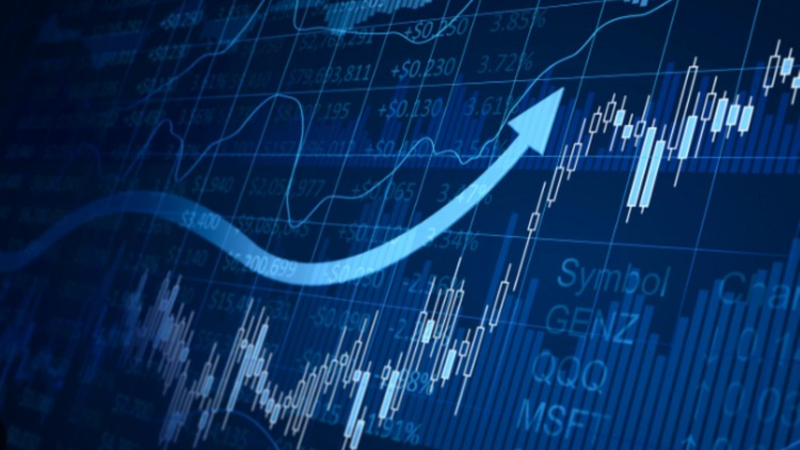
Equity markets have been moving higher in measured steps, prompting familiar headlines about rallies and renewed optimism. Yet this framing misses what is actually happening. Prices are not surging on excitement or speculative momentum. They are adjusting slowly to a changing view of the future.
This distinction matters. A rally is driven by belief in immediate upside. Repricing reflects reassessment. Today’s equity movement is less about enthusiasm and more about recalibration. Investors are rewriting assumptions about growth, risk, and capital costs rather than chasing short term gains.
Equity prices are adjusting expectations not momentum
The most important force behind current equity strength is expectation management. Investors are reassessing what sustainable growth looks like in an environment shaped by tighter financial conditions, evolving policy, and structural change.
Instead of pricing aggressive expansion, markets are embedding more moderate assumptions. Earnings expectations are being refined. Risk premiums are adjusted. Valuations move not because optimism explodes, but because pessimism recedes selectively.
This process is slower than a rally but more durable. Repricing aligns markets with reality rather than aspiration.
Capital costs are being re evaluated
One of the key drivers of repricing is the reassessment of capital costs. Interest rates, funding availability, and balance sheet discipline now matter more than they did in the era of abundant liquidity.
Equities that depend heavily on cheap capital are no longer rewarded automatically. Markets are differentiating based on cash flow resilience and funding independence. This leads to uneven performance rather than broad surges.
Repricing reflects acceptance that capital is no longer free. Equity valuations are adapting accordingly.
Sector behavior confirms selective adjustment
Sector performance reinforces the repricing narrative. Leadership is inconsistent and rotates frequently. Cyclical optimism exists alongside defensive positioning.
Investors are not committing fully to a single growth story. They are spreading exposure across sectors that respond differently to economic outcomes. This behavior suggests uncertainty, not euphoria.
When markets rally, leadership is clear. When they reprice, leadership shifts. The current environment fits the latter.
Earnings quality matters more than guidance
Another feature of repricing is emphasis on earnings quality rather than forward promises. Markets are rewarding companies with predictable cash flows, disciplined spending, and operational resilience.
Guidance alone is insufficient. Investors want evidence. This preference tempers upside but reduces downside risk. Equities move gradually as information accumulates.
This behavior aligns with repricing rather than speculation. Markets are recalculating value based on delivery, not projections.
Why this does not feel like a rally
Repricing lacks excitement. Gains feel incremental. Pullbacks are shallow. Momentum traders find fewer opportunities. This creates confusion because prices rise without celebration.
Markets feel thoughtful rather than exuberant. Participants are cautious, adjusting exposure rather than expanding it aggressively. This is why volatility remains contained even as indices advance.
The absence of drama does not signal weakness. It signals recalibration.
What investors should understand
Understanding whether markets are rallying or repricing changes strategy. Rallies reward speed and conviction. Repricing rewards patience and analysis.
In repricing environments, risk is managed through selection and balance rather than leverage. Long term positioning matters more than short term timing.
Misinterpreting repricing as a rally can lead to misplaced expectations.
Conclusion
Equities are not climbing because investors are euphoric. They are rising because markets are adjusting to a revised view of the future. Repricing reflects realism, not excitement. Recognizing this distinction helps explain current behavior and prepares investors for a market driven by discipline rather than momentum.