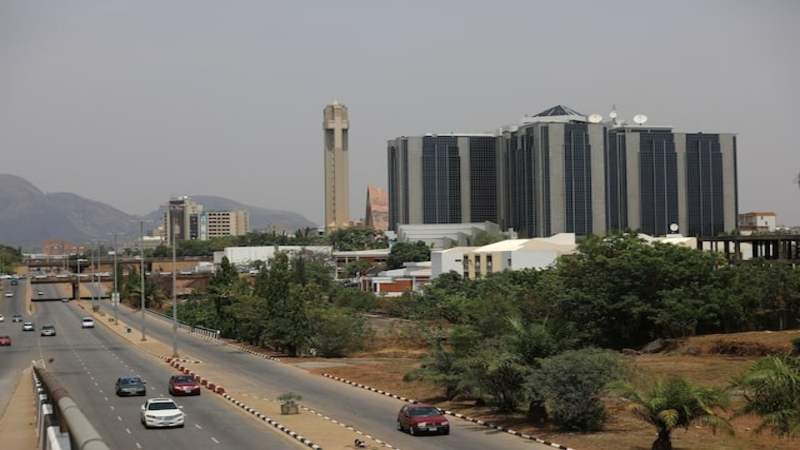
Nigeria’s central bank has projected stronger economic growth and a sharp slowdown in inflation in 2026, signaling cautious optimism after years of economic strain and policy adjustment. According to its latest outlook, the bank expects gross domestic product to expand by 4.49% next year, supported by improving foreign exchange stability, rising oil production, and continued structural reforms. Inflation is forecast to ease to an average of 12.94%, down significantly from levels seen in 2025, as food and fuel price pressures subside. The projections reflect confidence that recent reforms in currency management, taxation, and the energy sector are beginning to take hold, creating a more stable macroeconomic environment despite lingering fiscal and external vulnerabilities.
The outlook points to stronger non oil growth as a key driver of the expected expansion, alongside sturdier external buffers. The central bank said gains from broad based reforms and improved exchange rate stability are expected to support economic momentum into next year. Monetary policy is also expected to play a role, with easing measures anticipated to reduce borrowing costs and encourage investment. The bank kept its benchmark interest rate unchanged at 27% during its final policy meeting of the year, opting to allow inflation to cool further, while trimming the deposit rate. The decision surprised some economists, who had expected a deeper rate cut following the first reduction since 2020 earlier in the year.
Inflation trends remain central to the bank’s outlook. Headline inflation, which averaged above 21% during 2025, is expected to fall sharply in 2026 as exchange rate stability and easing global price pressures help rein in costs. Inflation has already slowed for eight consecutive months, reaching 14.45% in November. The forecast assumes oil prices around $55 per barrel, production near 1.50 million barrels per day, and an official exchange rate close to 1,400 naira per dollar. Fiscal policy is expected to remain expansionary, with a projected deficit of just over 12 trillion naira funded largely through domestic borrowing. External reserves are seen rising to more than $51 billion, supported by stronger exports and remittance inflows, reinforcing confidence in the outlook from the Central Bank of Nigeria.