Foreign exchange markets are quietly changing how they read global signals. For decades, futures markets were the primary tool FX desks used to gauge positioning, hedging pressure, and macro expectations. Today, that hierarchy is shifting. Increasingly, traders are watching stablecoin flows to understand where currency demand is actually forming.
This change is not driven by novelty or speculation. It reflects how capital now moves across borders in real time. Stablecoins have become a functional settlement layer, offering FX desks a clearer view of transactional demand than traditional derivatives markets often provide.
How stablecoins became real time FX indicators
The most important reason FX desks now monitor stablecoins is speed. Stablecoin transactions reflect immediate demand for dollar exposure, often tied to trade settlement, capital movement, or risk hedging. Unlike futures, which represent expectations, stablecoin flows represent action.
In many regions, stablecoins are used as a bridge currency where access to traditional dollar markets is limited or slow. This makes them a direct indicator of real world dollar demand rather than a speculative proxy. FX desks tracking these flows gain insight into where pressure is building before it appears in spot or futures markets.
Stablecoins also operate continuously, removing the time gaps that limit traditional FX instruments.
Futures show intent while stablecoins show execution
Futures markets remain valuable, but their role is different. Futures reflect intent, positioning, and hedging strategies based on expectations. Stablecoins reflect execution. They show when capital actually moves, not when traders think it might.
This distinction matters during periods of macro uncertainty. When traders hesitate to commit through derivatives, they may still move capital using stablecoins for settlement or protection. FX desks watching only futures risk missing these early signals.
Execution data often reveals stress or demand long before it becomes visible in pricing.
Why stablecoin flows reveal regional currency pressure
Stablecoin usage is not evenly distributed. Certain regions rely on them more heavily due to currency volatility, capital controls, or limited banking access. Spikes in stablecoin demand often coincide with local currency stress or shifting trade dynamics.
FX desks analyzing these patterns can identify where pressure may emerge in traditional FX markets. This does not replace macro analysis, but it adds a layer of granularity that futures alone cannot provide.
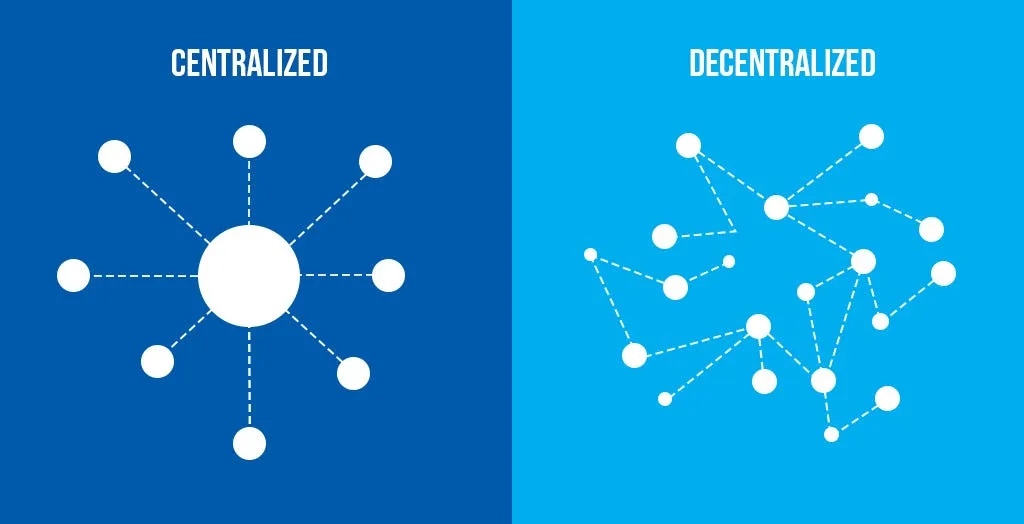
Stablecoin flows act as a decentralized signal of global dollar demand.
The institutional shift toward transactional data
Institutional traders increasingly prioritize transactional data over derivative positioning. This reflects a broader shift toward understanding how money actually moves rather than how it is theoretically priced.
Stablecoins offer a transparent, high frequency dataset that complements traditional FX tools. They help desks assess liquidity stress, funding demand, and cross border activity in near real time.
As settlement infrastructure evolves, ignoring stablecoin data becomes a blind spot rather than a conservative choice.
What this means for FX market interpretation
Watching stablecoins does not mean futures are obsolete. It means the signal hierarchy has expanded. FX desks now triangulate between futures, spot markets, and digital settlement flows to build a more accurate picture.
Traders who rely solely on futures may misread turning points driven by capital movement rather than speculative positioning. Stablecoins provide context that futures cannot capture on their own.
This blended approach reflects how modern FX markets increasingly intersect with digital finance.
Conclusion
FX desks are watching stablecoins because they reveal real time currency demand, not just expectations. As global capital flows become faster and more fragmented, transactional signals matter more than ever. Futures still explain sentiment, but stablecoins now show where money is actually moving. In today’s markets, execution often speaks louder than intent.