By the end of 2025, stablecoins reached a milestone few anticipated so quickly. Without dramatic headlines or coordinated announcements, they became one of the most widely used settlement mechanisms in the global financial system. This shift did not come from speculation or hype, but from utility filling gaps traditional systems could not.
Stablecoins moved value faster, cheaper, and more reliably across borders than many legacy rails. While central banks debated long term frameworks and banks modernized slowly, market participants adopted what already worked. The result was a settlement layer operating at global scale, largely outside the spotlight.
Why stablecoins outpaced traditional settlement systems
The primary advantage of stablecoins is speed combined with certainty. Transactions settle in minutes or seconds, not days. For businesses, traders, and institutions operating across time zones, this reliability matters more than innovation narratives.
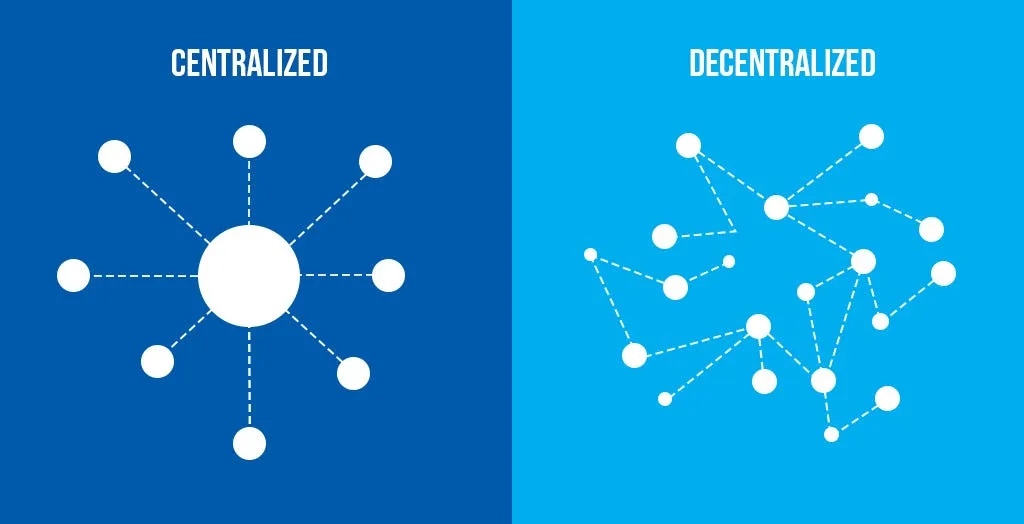
Traditional settlement systems remain constrained by banking hours, correspondent networks, and jurisdictional friction. Stablecoins bypass these limits by operating continuously on shared infrastructure. This made them especially attractive for cross border payments, treasury operations, and digital asset settlement.
Adoption followed practicality, not ideology.
The role of dollar stability in driving adoption
Most stablecoin activity centers on dollar linked instruments. This reflects trust in dollar stability rather than a rejection of traditional finance. Users sought exposure to a familiar unit of account delivered through a more efficient channel.
For many regions, stablecoins provided access to dollar settlement without relying on slow or expensive banking intermediaries. This expanded their use beyond crypto markets into trade, remittances, and liquidity management.
Stablecoins became digital cash for global commerce.
Why central banks did not slow the shift
Central banks spent much of 2025 studying digital currencies, focusing on design, control, and policy alignment. These efforts were deliberate and cautious. Meanwhile, stablecoins were already in use, solving immediate problems.
The absence of direct competition allowed stablecoins to grow organically. They did not replace central bank money, but complemented it by handling transactional demand that legacy systems struggled to support efficiently.
This coexistence reduced friction and allowed adoption to scale quietly.
Institutional use changed the perception
Stablecoins crossed an important threshold in 2025 when institutional usage normalized. They were no longer viewed solely as crypto tools, but as operational infrastructure. Firms used them for settlement, collateral movement, and internal transfers.
This shift reduced stigma and increased trust. Stablecoins were judged by performance rather than narrative. Their reliability during periods of market stress reinforced their role as dependable settlement instruments.
Once institutions integrate infrastructure, reversal becomes unlikely.
What this means for the future of money movement
The rise of stablecoins does not signal the end of traditional finance. It signals evolution. Settlement is becoming modular, programmable, and continuous. Stablecoins demonstrated what modern money movement could look like when efficiency is prioritized.
Central banks and banks now face a clear benchmark. Any future digital currency or upgraded rail must match the speed and usability that stablecoins already provide.
The standard has been set by usage, not policy.
Conclusion
Stablecoins became the world’s most used settlement rail in 2025 not through disruption, but through quiet adoption. They solved real problems at scale while legacy systems adapted slowly. As global finance continues to modernize, stablecoins stand as proof that the most powerful innovations often succeed without drawing attention.