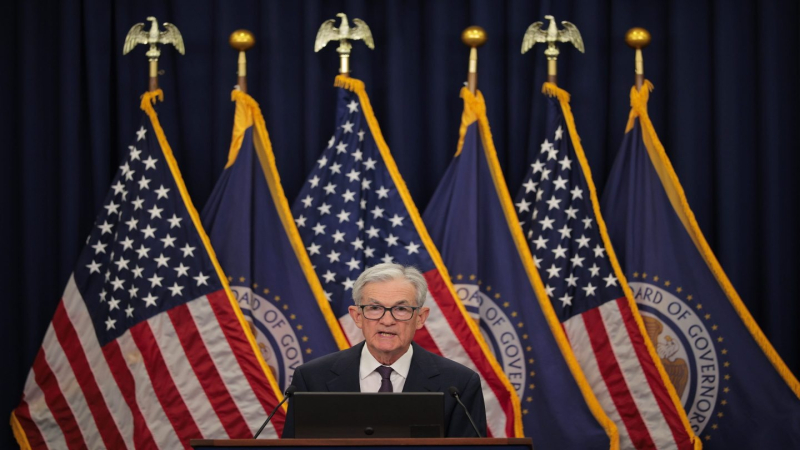
Federal Reserve officials are increasingly focused on whether the financial system has enough readily available cash to function smoothly even if interest rates remain stable, according to the minutes from the December policy meeting. The discussion reflected broad comfort with the economic outlook and with market expectations around policy, but it also revealed unease about conditions beneath the surface of money markets. Policymakers emphasized that short-term funding stress can build gradually and emerge suddenly, creating volatility without warning. Attention is centered on overnight markets where banks and financial firms rely on daily access to cash to settle transactions. Officials noted that while headline indicators appeared calm, internal measures suggested funding conditions were becoming more sensitive to shifts in demand, raising concerns about resilience as seasonal pressures build into early 2026.
At the core of the concern was the level of reserves held in the banking system. Officials described reserves as remaining at ample levels, but several participants warned that this range leaves little margin for error. When reserves hover near this threshold, small increases in demand for cash can push borrowing costs higher and strain liquidity. The minutes pointed to signs of stress including volatile overnight repo rates, wider gaps between market rates and the Federal Reserve’s administered rates, and increased use of standing liquidity facilities. Some policymakers noted that these pressures appeared to be building faster than during the balance sheet runoff period between 2017 and 2019, a comparison that underscored how quickly funding conditions can deteriorate even without aggressive policy tightening or economic shocks.
Seasonal factors amplified the sense of urgency. Staff projections highlighted end of year balance sheet adjustments, late January settlement effects, and a significant draw on reserves expected in the spring as tax payments flow into the Treasury’s account at the central bank. These dynamics could temporarily drain liquidity from the system and push reserves below levels policymakers view as comfortable. Without preventative steps, officials warned that overnight funding markets could experience disruptions that spill into broader financial conditions. The minutes stressed that such episodes tend to surface abruptly, often after periods of apparent calm, making proactive measures more effective than reactive responses once volatility has already emerged.
To reduce the risk of a cash squeeze, policymakers discussed resuming purchases of short-term Treasury securities to ensure reserves remain ample over time. These operations were framed as technical adjustments aimed at preserving interest rate control and smooth market functioning rather than signaling a shift in the policy stance. Survey expectations cited in the minutes suggested purchases could total around $220 billion over the first year. Officials also explored changes to the standing repo facility to make it a more effective backstop, including removing usage caps and improving communication so it is viewed as a routine tool rather than an emergency measure. Markets are now watching how these liquidity considerations factor into upcoming decisions as rate expectations remain broadly stable.