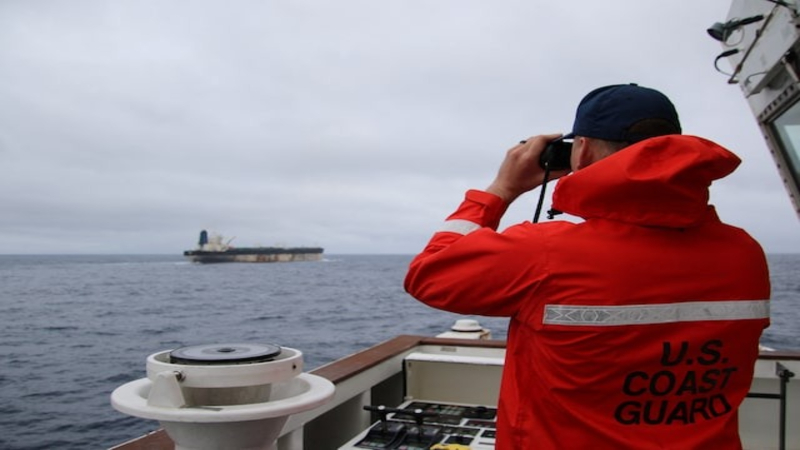
Tensions in global energy markets intensified after the United States seized two oil tankers linked to Venezuela in the Atlantic, a move that coincided with falling crude prices and fresh diplomatic backlash from China. The vessels were intercepted as part of Washington’s expanded effort to control sanctioned oil flows across the Americas. One of the tankers had recently switched to a Russian flag after evading earlier boarding attempts, highlighting the growing use of complex shipping tactics to bypass sanctions. Markets reacted quickly, with oil prices slipping on expectations that seized and redirected supplies could add barrels back into circulation under U.S. oversight.
The seizures followed a prolonged maritime pursuit involving U.S. forces, with support from allied military assets. Officials said the tankers were part of a shadow fleet used to transport sanctioned oil, underscoring Washington’s focus on enforcement rather than symbolic pressure. One vessel was reportedly empty, while the other was fully loaded with Venezuelan crude. The actions form part of a broader strategy aimed at reshaping how Venezuelan oil reaches global markets, as U.S. officials signaled that only shipments aligned with American law and security interests would be permitted to move freely.
China, Venezuela’s largest oil buyer, sharply criticized the U.S. operation, accusing Washington of coercive behavior and interference in sovereign resource management. Beijing’s response added a new geopolitical layer to an already volatile energy landscape, raising concerns about retaliatory measures or diplomatic strain. At the same time, U.S. officials indicated plans to refine and sell tens of millions of barrels of Venezuelan crude previously stranded under sanctions, a move that could materially increase near term supply. Anticipation of this additional oil weighed on prices, reinforcing the market’s sensitivity to policy driven supply shifts.
The developments highlight how geopolitical intervention is once again reshaping oil market dynamics. Beyond immediate price movements, the seizures signal a more assertive U.S. posture toward sanctioned energy flows and foreign producers. Investors are now assessing how sustained enforcement actions and selective sanction rollbacks could alter supply routes and trade relationships. With multiple global powers weighing in, the episode underscores the fragile balance between politics and energy markets, where decisions far from trading floors can rapidly influence price expectations and risk sentiment.