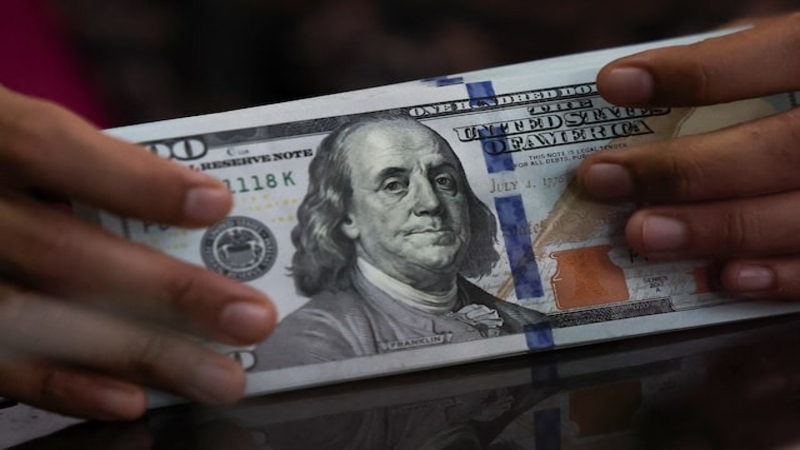
The U.S. dollar traded in a narrow range against major currencies as investors positioned cautiously ahead of a heavy slate of labor market data expected to shape near term rate expectations. Currency markets showed limited conviction, reflecting uncertainty over whether recent economic signals point to cooling momentum or persistent inflation risks. Softer job openings data suggested easing demand for labor, while other indicators showed resilience in parts of the services sector, keeping traders from making aggressive directional bets. As a result, dollar moves remained largely tactical, with short term flows dominating rather than longer term conviction.
Against major peers, the dollar edged modestly higher versus the yen and Swiss franc, while remaining broadly flat against the euro. Market participants noted that without fresh guidance on policy direction, the greenback is likely to remain range bound until clearer signals emerge from employment data later in the week. The upcoming nonfarm payrolls report is widely seen as the key catalyst that could reset expectations around inflation persistence and interest rate timing. Until then, traders appear reluctant to commit to strong dollar positions, preferring to fade moves rather than chase momentum.
In Europe, the euro softened slightly after weaker than expected inflation data from Germany prompted investors to dial back near term tightening expectations. Markets continue to price a prolonged period of stable rates through 2026, with policy normalization pushed further into the future. Meanwhile, geopolitical developments in Asia had little immediate impact on currency trading, even as tensions between China and Japan weighed on regional equities. Strategists noted that while such developments can influence risk sentiment, they have yet to translate into sustained currency shifts.
Commodity linked currencies showed more movement, with the Australian dollar reaching its strongest level in more than a year as traders weighed mixed inflation signals and the possibility of further policy tightening. Analysts at Goldman Sachs said a supportive macro backdrop could continue to favor select currencies against the dollar in 2026. Overall, the foreign exchange market remains in wait and see mode, with labor data and inflation trends expected to determine whether the dollar breaks out of its current holding pattern or extends its subdued trajectory.