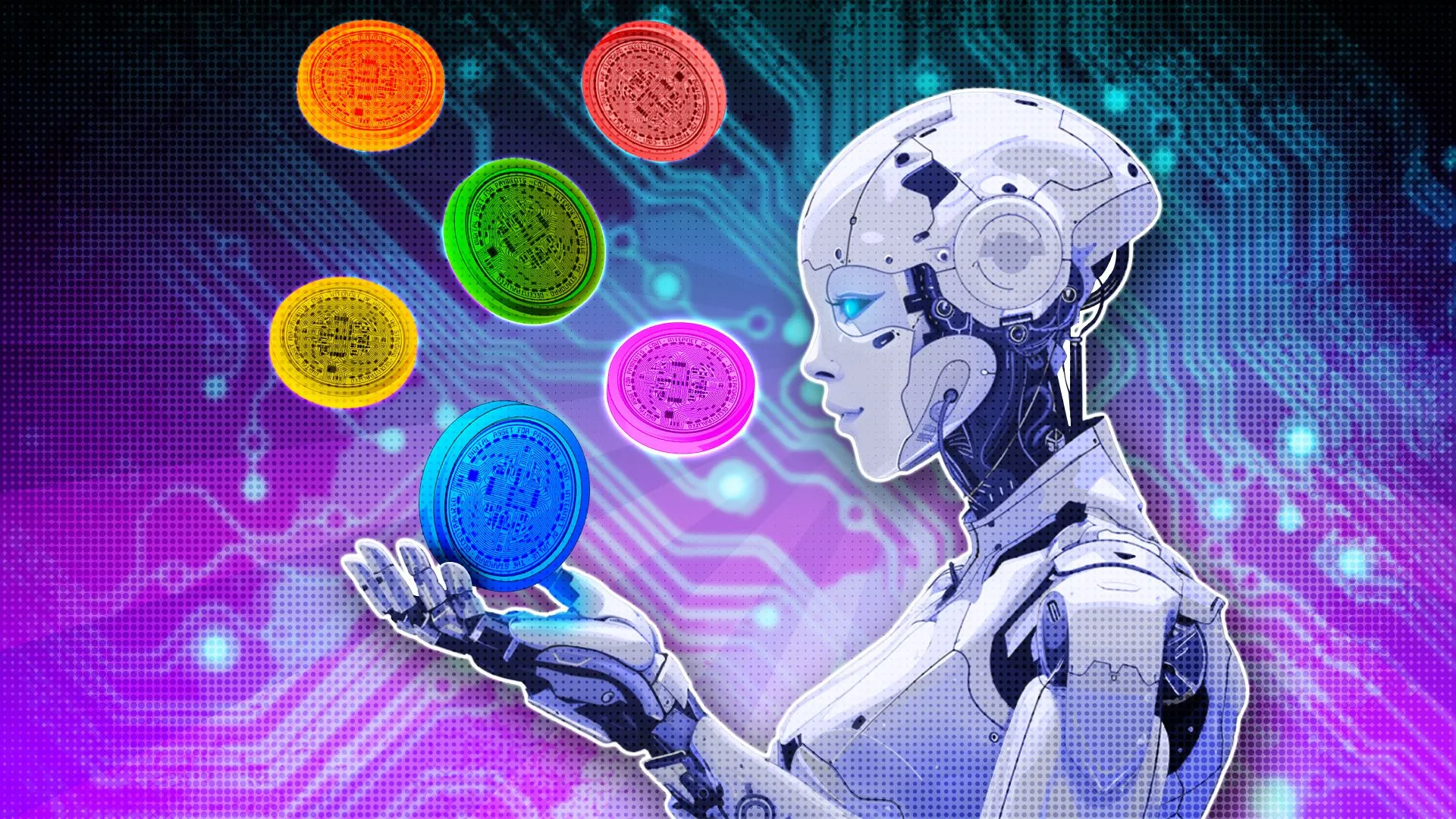
Algorithms outperform retail as automated systems set the pace.
Rise of Algorithmic Dominance
In 2025, crypto markets are being reshaped by the rise of AI-powered trading bots. Once the domain of hedge funds and specialized firms, algorithmic systems have now become mainstream across both institutional and retail exchanges. These bots, designed to process massive streams of data in real time, execute trades at speeds and scales impossible for human traders. Their dominance is transforming how liquidity flows, how markets respond to news, and how culture around crypto trading is evolving.
Why AI Bots Outperform Humans
The success of AI bots lies in their ability to analyze diverse datasets at lightning speed. Bots ingest market prices, social media sentiment, whale wallet movements, and even macroeconomic data, converting these signals into actionable trades within milliseconds. Retail traders, even with access to dashboards, cannot compete with the precision and speed of algorithms. Unlike human traders, bots do not suffer from fatigue or emotions, allowing them to maintain consistency in volatile conditions. This performance gap has made bots the defining force on exchanges.
Retail Adoption and Cultural Impact
Retail traders, instead of resisting, are increasingly adopting AI tools themselves. On TikTok and Discord, influencers promote bot subscription services and tutorials on setting up automated strategies. Memes depict human traders as outdated, while bots are celebrated as “digital warriors” fighting in the markets. The cultural narrative ensures that even small-scale traders feel pressure to adopt automation just to stay competitive. For Gen Z, trading is no longer a purely manual effort but a hybrid of human intuition supported by AI precision.
Whales Use Bots for Strategic Advantage
Whales, already equipped with resources, are deploying highly customized AI bots to consolidate their advantage. On-chain data shows large wallets using bots to fragment trades across multiple exchanges, reducing the visibility of their positions. Others deploy bots to anticipate and exploit retail responses to sudden news alerts. These strategies create a dynamic where whales not only move markets but also shape the very conditions in which bots operate. For whales, AI is less a tool of survival and more an instrument of dominance.
AI Dashboards Amplify Bot Culture
Dashboards that were once tools for analysis have become extensions of bot culture. Retail users receive push alerts showing bot-driven liquidity surges, sudden arbitrage opportunities, or automated whale activity. Screenshots of these alerts are shared widely, transforming technical data into viral cultural artifacts. The visibility of bot activity ensures that even those who do not use automation remain influenced by its presence. Bots no longer just shape markets. They shape narratives.
Institutional Integration of AI
Institutions are embedding AI bots into their trading systems at unprecedented levels. Hedge funds, asset managers, and even traditional banks are running crypto strategies powered by machine learning. For these players, AI bots provide both efficiency and compliance, reducing risks of manual error while ensuring they remain competitive. Their adoption reinforces the legitimacy of AI-driven trading, signaling that algorithmic dominance is not a fad but a structural shift.
Regulatory Challenges Emerge
The rapid spread of AI bots raises serious regulatory questions. Authorities worry that bot-driven markets may amplify volatility, particularly during crises when algorithms respond simultaneously to shocks. Some regulators are exploring frameworks to limit unfair advantages, such as requiring disclosure of automated strategies. Others are studying whether bots should be categorized differently from human traders in terms of liability. Retail communities frame these efforts as attempts to “slow down the machines,” while institutions argue that overregulation would stifle innovation.
Risks of Overreliance
Analysts warn that reliance on bots comes with vulnerabilities. Malfunctioning code, poorly calibrated models, or cascading liquidations triggered by simultaneous bot reactions can destabilize markets. In 2022 and 2023, flash crashes linked to automation exposed these dangers. In 2025, while bots are more advanced, the possibility of systemic shocks remains. Traders are reminded that AI does not eliminate risk but redistributes it in new and less predictable ways.
Cultural Narratives Around Human Traders
Culturally, the rise of bots has reframed how traders view themselves. Memes often depict manual traders as nostalgic holdouts clinging to outdated methods. At the same time, some influencers highlight the value of human creativity, arguing that bots cannot replicate intuition in certain niche markets. This tension between automation and human agency adds depth to crypto’s cultural identity. It is not just about profit but about how technology defines who participates and how.
Conclusion
AI trading bots have become the dominant force on crypto exchanges in 2025. Their ability to process data and execute trades at unmatched speeds has left retail and institutions alike reliant on automation. Retail communities embrace bots culturally, whales wield them strategically, and institutions integrate them systematically. Regulatory debates and risks of overreliance remain, but the shift is undeniable. Trading is no longer primarily human-driven. It is a battleground where algorithms set the rhythm, and humans adapt to the pace of machines.
Author: Jonathan Reyes | Macro & Geopolitics Editor
Email: jonathan@cheenews.com