Regulated products attract mainstream capital into smart contracts.
A Landmark Decision
In 2025, regulators approved the first Ethereum exchange-traded fund, marking a historic milestone for the second-largest cryptocurrency. The approval signals a new era where Ethereum joins Bitcoin as a digital asset legitimized through traditional financial products. For institutions long hesitant about exposure to Ethereum’s volatility or technical complexity, the ETF provides a regulated pathway. The result is an institutional gold rush that is reshaping the smart contract ecosystem.
Why the ETF Matters
For years, Ethereum was seen as technologically innovative but financially inaccessible to many investors. Unlike Bitcoin, whose narrative of scarcity appealed broadly, Ethereum’s complexity made institutions cautious. The ETF changes that. Investors can now gain exposure through regulated exchanges without managing wallets, gas fees, or staking mechanics. This accessibility is unlocking pools of capital that had previously stayed on the sidelines, creating unprecedented demand for ETH.
Retail Enthusiasm Mirrors Institutions
Retail traders are celebrating the approval as a cultural victory. On TikTok and Discord, influencers describe it as proof that Ethereum has “graduated” into mainstream finance. Memes frame ETH as the “younger sibling” finally catching up to Bitcoin. Retail participation is surging, with small investors buying ETFs for retirement accounts or treating them as safer entry points. This dual enthusiasm from institutions and retail underscores the cultural and financial weight of the decision.
Whales Position Early
Whales anticipated the approval and positioned accordingly. On-chain data shows large wallets accumulating ETH in the weeks leading up to the announcement. Some whales have staked their holdings to maximize returns while waiting for ETF-driven demand to build. Others are using derivatives to hedge against volatility while maintaining long exposure. Their strategies suggest confidence that institutional inflows will drive prices higher over the long term.
AI Dashboards Amplify the Story
AI dashboards are amplifying the ETF narrative in real time. Push notifications highlight daily inflows, correlations with Bitcoin ETFs, and shifts in liquidity. Screenshots of these alerts circulate widely, turning technical market data into cultural artifacts shared across retail communities. By translating institutional flows into accessible metrics, dashboards are bridging the gap between Wall Street and Gen Z.
Institutions Lead the Gold Rush
Institutional investors are diving in aggressively. Hedge funds, pension funds, and asset managers are allocating billions to ETH ETFs, framing them as both growth assets and diversification tools. Some funds are also experimenting with hybrid products, combining exposure to Ethereum with DeFi tokens or Layer-2 projects. The ETF has effectively unlocked a new asset class, positioning Ethereum as more than just an alternative to Bitcoin but as the foundation of a programmable financial future.
Risks of Rapid Inflows
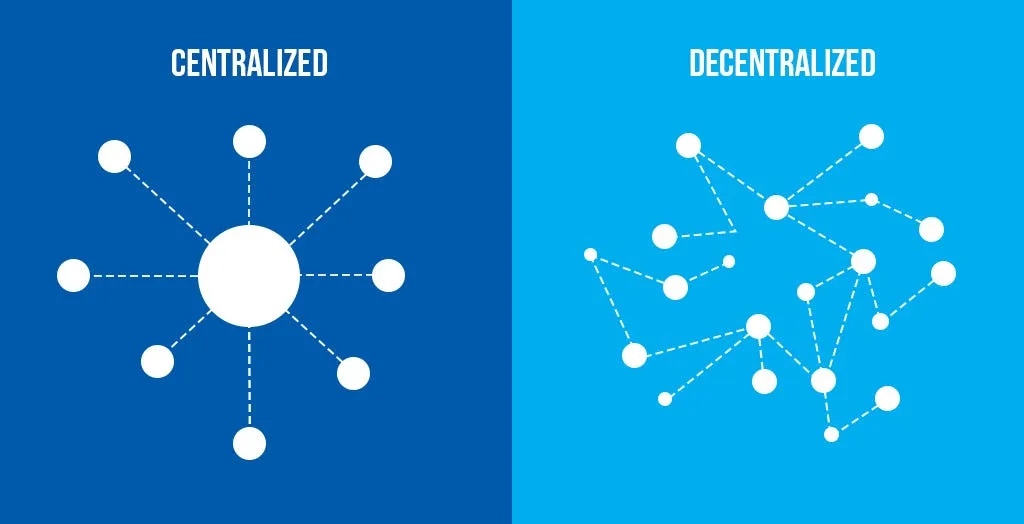
Analysts caution that rapid inflows could create volatility. If ETFs accumulate large portions of circulating ETH, liquidity on decentralized platforms may shrink, raising transaction costs. Regulatory scrutiny could also intensify if the ETF becomes too dominant. Some skeptics argue that institutional products dilute Ethereum’s decentralized ethos, concentrating influence in traditional finance. These risks highlight the tension between accessibility and core crypto principles.
Cultural Narratives of Legitimacy
Culturally, the ETF approval is being framed as Ethereum’s “coming of age.” Memes compare it to a graduation ceremony, with ETH wearing a cap and gown alongside Bitcoin. Influencers emphasize that the ETF is not just financial validation but cultural recognition that Ethereum has moved beyond experimental status. This narrative resonates deeply with younger traders, reinforcing Ethereum’s place in the broader story of digital transformation.
Global Ripple Effects
The approval is not limited to the United States. Regulators in Europe and Asia are already exploring their own Ethereum ETFs, encouraged by the precedent. This global ripple effect could accelerate adoption, with ETFs serving as gateways for investors worldwide. For emerging markets, Ethereum ETFs may provide safer exposure to smart contracts and DeFi, linking local economies to global digital infrastructure.
Conclusion
The approval of the Ethereum ETF in 2025 has ignited an institutional gold rush. Institutions are pouring capital into regulated products, retail enthusiasm is soaring, and whales are positioning for long-term gains. AI dashboards amplify the story, while cultural narratives frame it as a milestone of legitimacy. Risks of concentration and regulatory backlash remain, but the trajectory is clear. Ethereum is no longer just a decentralized experiment. It is a mainstream asset reshaping global finance, with ETFs serving as the gateway to its programmable future.
Author: Elena Foster | Emerging Markets Specialist
Email: elena@cheenews.com