


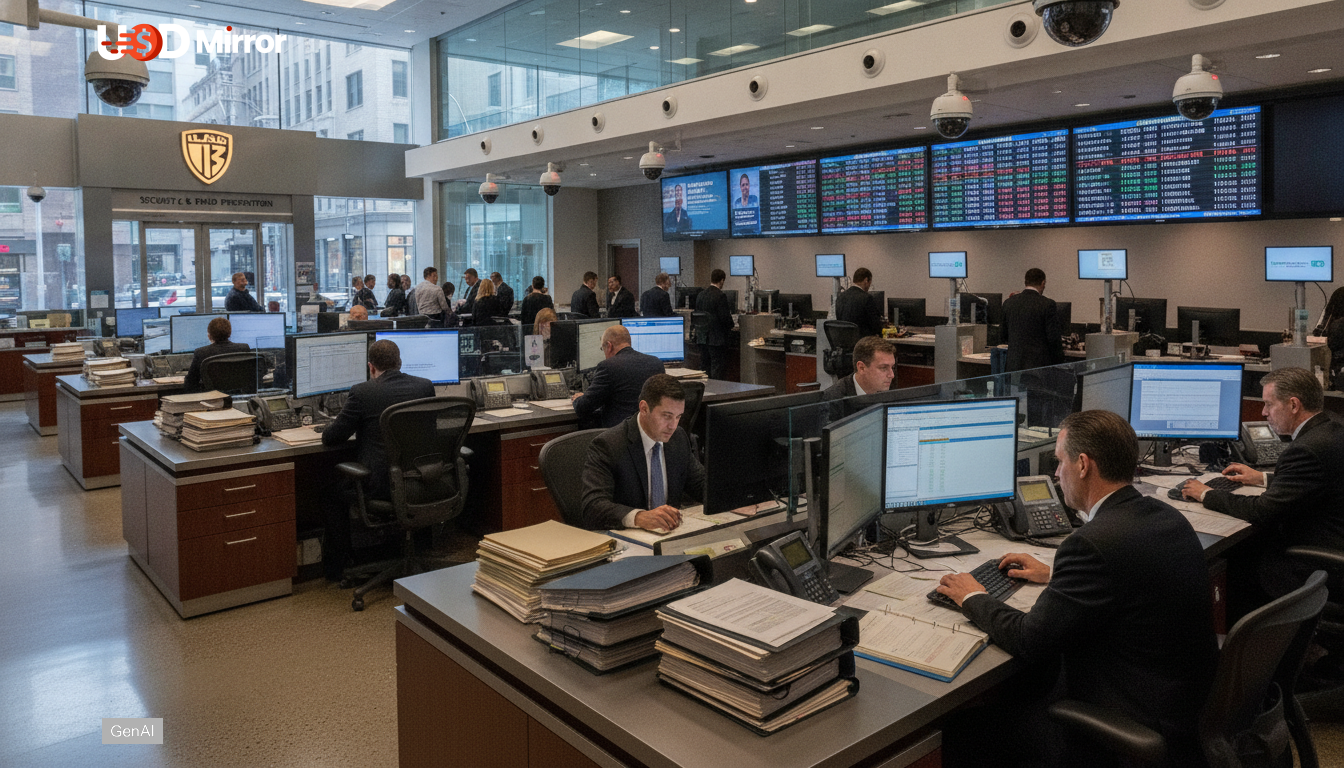


Animoca Brands Expands Regulated Fund Management in Abu Dhabi
According to available reports, Animoca Brands claims it has cleared a final procedural hurdle to extend fund management activities into Abu Dhabi. This move, the company claims, brings execution closer to the region’s capital markets. The firm described the step as a way to serve investors seeking regulated exposure to Web3 assets and tokenized strategies under local oversight. Animoca Brands positioned the effort around in-zone governance and supervision. The Abu Dhabi Global Market (ADGM) is depicted by the company as the core jurisdiction for the move. ADGM’s Financial Services Regulatory Authority is noted as the relevant regulator for financial services firms operating in the zone.
By reportedly locating governance, reporting, and distribution functions in the emirate, Animoca Brands is aiming to shorten onboarding cycles and reduce friction for counterparties. The decision also signals an intent to anchor longer-term product structuring in the Gulf, based on the firm’s message.
Institutional Demand Drivers and Tokenization Context
Market participants in the Gulf have often highlighted custody, auditability, and legal enforceability as considerations when evaluating digital asset products offered from the UAE, based on common themes in industry discussions rather than any single published metric. The firm’s positioning comes amid a broader push toward tokenized market infrastructure, highlighted by CoinDesk’s coverage of NYSE shareholder voting on blockchain rails. In that context, Animoca Brands indicates it is aligning its operating model with supervisory expectations applied inside ADGM, including segregation of client assets and controls around valuation.
Regional investors have also been watching stablecoin market plumbing, and the policy discussion in EU MiCA review weighs stablecoin rewards rule changes has been cited in commentary as a reference point for how rules can shape demand. These developments can add pressure on managers to build compliant channels for subscriptions and redemptions. For context on recent launches, Tokenized Nasdaq-100 Fund Debuts via Janus Henderson shows how traditional issuers are packaging tokenized exposure with familiar wrappers. The discussion has been particularly visible across UAE-focused conferences and policy roundtables in 2025 and 2026.
Regional Compliance and Operating Constraints
Operating in Abu Dhabi can bring advantages, but it can also require tighter discipline regarding distribution boundaries, marketing approvals, and cross-border client classification, depending on the product and investor type. The firm may need to manage expectations around liquidity and disclosure when products reference venture-style exposures that can reprice infrequently. Market participants tracking Animoca Brands stock will likely watch whether the new footprint translates into recurring management fees rather than one-off deal flow, though that outcome is uncertain and will depend on execution and demand.
Even with positive headlines, scaling typically depends on operational controls, not announcements. For additional signals on how enforcement priorities can affect tokenization programs, readers can reference SEC tokenization risk tops 2027 exam priorities. The buildout often requires documented policies for suitability, disclosures, recordkeeping, and periodic reporting.
Stablecoin Settlement Rails and Fund Administration
As fund administration and subscriptions modernize, stablecoins are increasingly discussed as potential settlement rails for cross-border allocations, particularly where banking cutoffs and correspondent delays can add cost. In Abu Dhabi, regulated fund management structures may encourage clearer policies for on-chain transfers, including whitelisting and transaction monitoring, which can make stablecoin usage easier for compliance teams to evaluate. If adopted, that kind of operational rigor could raise standards across providers as administrators push for clearer reconciliation and audit trails.
Another practical factor is reserve transparency and liquidity management; investors commonly scrutinize issuers’ buffers and redemption mechanics before scaling stablecoin settlement. Product teams also have to map settlement timing and token issuer risk into fund offering documents and risk disclosures. For comparison, Tether reserves climb as excess buffers near $8B illustrates the type of balance sheet detail market participants often point to when evaluating stablecoin rails. These questions often come up in operational due diligence and treasury reviews before allocations move from pilot sizes to larger tickets.
What Success Looks Like for the Abu Dhabi Platform
The near-term measure of success will be whether the Abu Dhabi platform consistently attracts third-party mandates, not just proprietary strategies, and whether it can distribute across multiple channels without compliance bottlenecks. These outcomes will ultimately be observable in product launches and mandate announcements rather than assumptions. The expansion also sets up a test case for how Web3-native managers such as Animoca Brands can coexist with sovereign capital expectations around governance, auditing, and risk committees. Product design will likely prioritize vehicles that can be valued and reported with the rigor required by institutional investment policies.
Long-term credibility will rest on reporting cadence, redemption reliability, and regulator-facing transparency. Momentum in tokenized infrastructure continues, as seen in DTCC Stellar Tokenization Partnership Debuts Services, but institutional adoption still hinges on processes that hold up through market stress. If execution is disciplined, the move could widen the universe of eligible investors and support more standardized stablecoin settlement practices, though adoption will depend on counterparties’ risk appetite and controls.