Bitcoin miners AI investment: why capex is surging
Bitcoin miners are ramping AI investment as some publicly traded miners redirect post-halving budgets into higher density compute sites. The shift is framed as a way to keep megawatts productive while mining margins tighten, but it also adds new financing and execution risk. After the Bitcoin halving that occurred in April 2024, miners have described multi-year buildouts focused on power access, cooling, and networking for accelerated workloads rather than expanding ASIC fleets. According to available reports, recent crypto price moves have also influenced sentiment and funding windows; for example, CoinDesk reported bitcoin trading above $71,000 in August 2026. The core bet is that data center-style contracts can diversify cash flow when hashprice weakens.
Data center builds and GPU procurement plans
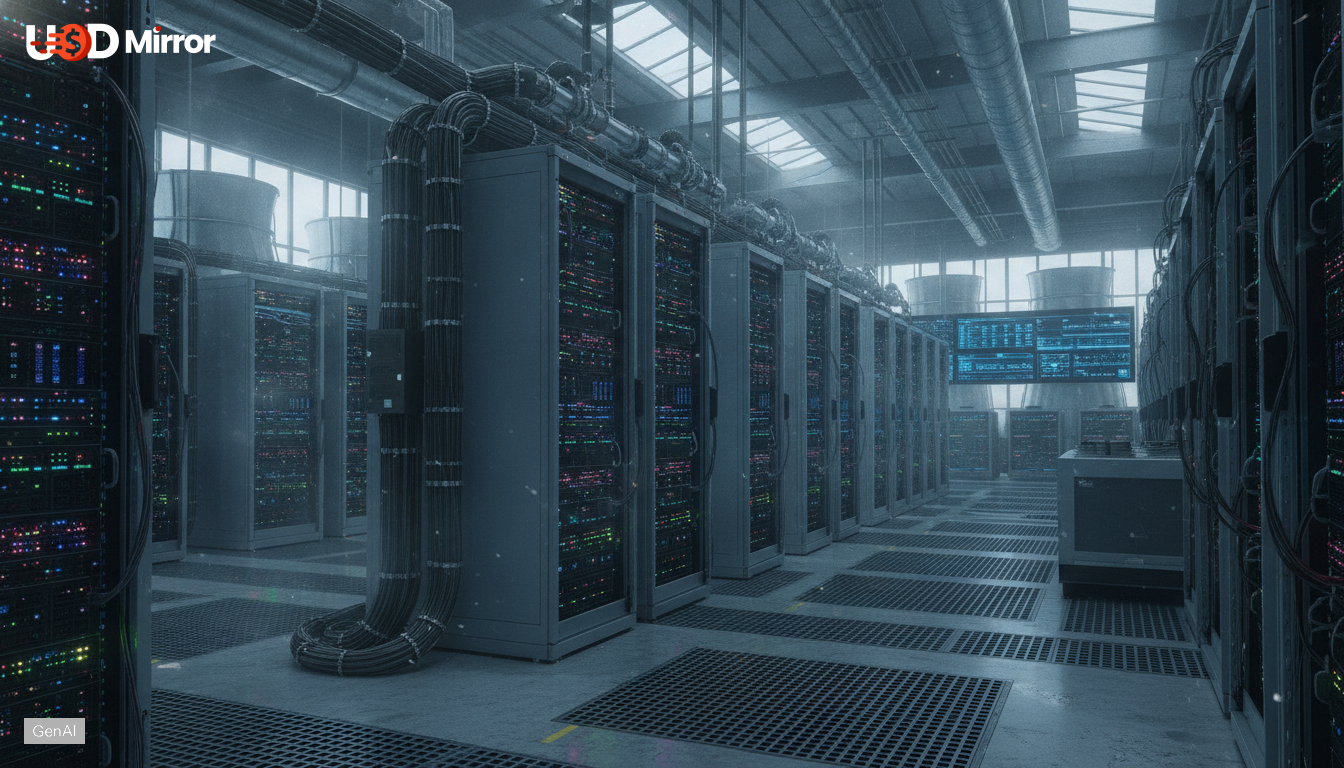
Across earnings materials, miners emphasize retrofits that raise rack density and improve uptime guarantees, which are often prerequisites for GPU hosting. These projects commonly include substation upgrades, new chillers, liquid cooling capability, and higher capacity fiber backhaul. For market context on how regulated products and oversight may shape capital availability, see https://tethernews.com/crypto-regulation-trump-pushes-clarity-act-fast/, and capital is often committed before revenue is recognized, because customers typically require commissioned space, security hardening, and integration testing. Operators also note that GPU supply chains, warranty terms, and managed services can differ from cryptocurrency mining gear, increasing operating complexity even when power access is already secured.
AI hosting revenue timelines and why they lag capex
For Bitcoin miners AI investment strategies, early AI hosting revenue is typically structured around pre-leased capacity, with billing tied to racks being energized and service-level targets being met. That means revenue can start small while construction, commissioning, and customer onboarding consume cash. For a broader view of crypto market positioning that can move risk appetite, see https://www.coindesk.com/markets/2026/08/20/bitcoin-s-jump-above-usd71-000-sets-up-bullish-golden-cross-pattern, and utility demand charges, networking contracts, and staffing for on-site support can further delay contribution margin improvements. Some miners also operate in volatile funding conditions tied to crypto market cycles, which can affect how quickly projects are completed and refinanced.
How miners integrate AI with existing Bitcoin operations
Operational integration is less about running models on ASICs and more about sharing site fundamentals across two businesses. Miners can repurpose substations, transformers, and fiber routes, then segment halls so mining containers scale up or down with hashprice while GPU suites run under stricter uptime and temperature requirements. Investors tracking crypto cyclicality often reference broader price expectations such as https://usdmirror.com/bitcoin-price-prediction-standard-chartered-sees-100k/, because stronger cycles can help miners recycle cash into buildouts. Some firms also use AI internally to forecast curtailment windows, optimize dispatch, and detect equipment issues, which can lift realized mining uptime even before external customers arrive.
Investor risks, contract terms, and what to watch next
The long-term case rests on multi-year contracts that aim to monetize power and real estate with steadier cash flows than block rewards, potentially reducing earnings volatility and improving credit terms. Market narratives can shift quickly; for example, CoinDesk has tied potential upside scenarios to liquidity and corporate activity in https://www.coindesk.com/markets/2026/08/20/treasury-buybacks-could-set-up-bitcoin-s-next-move-toward-usd180-000. The near-term risk is whether contract pricing clears a miner’s cost of capital after depreciation, higher headcount, and working capital for spares. Competitive pressure is also rising as traditional data center developers chase GPU demand, narrowing any advantage from stranded or flexible power. Execution discipline and counterparty quality will likely decide whether AI hosting becomes a durable second earnings engine for miners pursuing this compute pivot.