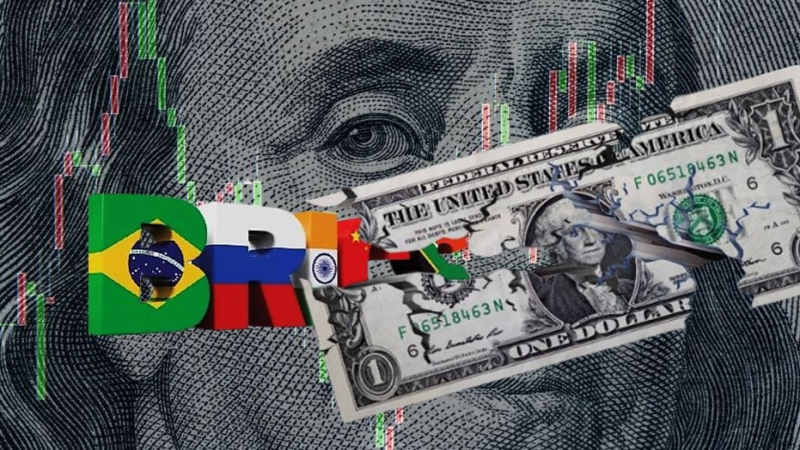
The global financial landscape is shifting as BRICS nations increase cooperation and explore alternatives to the traditional dollar based system. With expanding trade links, new financial agreements, and growing geopolitical influence, BRICS members are stepping up efforts to reduce reliance on the USD for cross border transactions. This trend, known as de-dollarisation, reflects a broader desire for greater financial autonomy and diversified global payment options.
As these countries develop new financial tools and strengthen their economic alliances, global markets are watching closely. Any long term shift in settlement patterns or reserve compositions could influence currency flows, investment strategies, and the future role of the dollar. While full de-dollarisation is unlikely in the near term, the momentum behind these efforts is shaping important conversations about financial power and global currency dynamics.
What Is Driving BRICS De-dollarisation Efforts
BRICS nations are exploring reduced reliance on the dollar for several reasons. One of the primary drivers is the desire for greater control over financial transactions. Using the USD exposes countries to external policies, sanctions risks, and fluctuations linked to U.S. economic conditions. By developing alternative settlement channels, BRICS members hope to build a more resilient financial architecture.
Another factor is expanding trade within the BRICS network. As member countries deepen economic ties, settling transactions in local currencies becomes more practical. This shift supports regional cooperation and reduces foreign exchange costs. Several bilateral agreements already allow direct currency use for energy, agriculture, and manufacturing imports.
BRICS countries are also strengthening their financial institutions, including development banks and payment systems designed to operate independently of Western networks. These initiatives give the bloc more flexibility and help reduce dependency on established global frameworks.
Financial Tools Supporting the Trend
To support de-dollarisation, BRICS nations are building new financial tools designed to streamline cross border payments. Local currency swap lines have expanded across the group, enabling central banks to exchange liquidity directly. This reduces the need for dollar reserves during periods of market stress.
Investment in digital payment infrastructure is also increasing. Modernized banking rails and cross border settlement channels make it easier for businesses to process international transactions without relying on dollar intermediaries. Some BRICS members are exploring blockchain based systems to enhance transparency, speed, and reliability.
Multilateral institutions within the bloc are developing programs to support trade financing using local currencies. These efforts lower the cost of imports and exports, making non-USD settlement more appealing for businesses and financial institutions.
Implications for the USD and Global Markets
Despite rising de-dollarisation efforts, the USD remains the world’s most trusted reserve currency due to its liquidity, stability, and deep capital markets. However, BRICS initiatives create subtle but meaningful long term pressures. If more transactions shift away from the dollar, global demand for USD-denominated liquidity could gradually change.
In commodity markets, some BRICS members are exploring pricing and settlement alternatives. While these discussions are still early, they signal interest in reducing dependency on the dollar for oil, minerals, and agricultural goods. If even a small portion of commodity flows transition to non-USD payments, it could influence currency volatility and global hedging strategies.
For investors, BRICS financial developments introduce new variables into currency forecasting models. Traders watch these shifts for signals that influence emerging market currencies, bond markets, and international liquidity conditions. While the USD remains dominant, diversified settlement options could create a more multipolar financial environment.
Conclusion
BRICS de-dollarisation efforts reflect a growing desire for financial independence and diversified global payment systems. While the dollar continues to dominate international finance, the development of local currency tools, trade agreements, and modern payment infrastructure is reshaping long term trends. These efforts may not replace the USD, but they signal a future where multiple financial centers play a larger role in global trade and currency dynamics.