


Circle’s Recent USDC Minting
Circle expanded supply again as issuance activity stayed active across major venues. CryptoRank reported Circle minted 250 million USDC and framed the move as a signal of continuing stablecoin demand. In this Live feed, desks tracking primary issuance watch timing, size, and post mint distribution to gauge near term liquidity conditions. Traders also monitor the USDC stablecoin price near its peg because large mints can coincide with settlement needs and exchange inventory management. Today, the key observation is not the headline number alone but the cadence of minting compared with prior business days. An on chain mint does not guarantee immediate circulation, but it does mark readiness for redemptions and transfers.
Analyzing the Demand Drivers
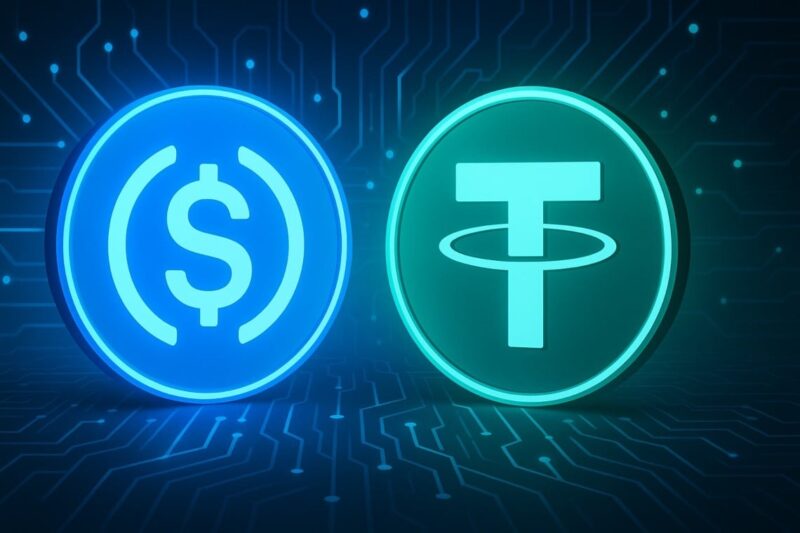
Flows suggest the mint aligns with routine funding needs rather than a one off shock. The circle internet group and its partners typically mint when authorized participants request new tokens for settlement, custody, or exchange balances. In a Live market tape, desks compare issuance to broader risk sentiment and to stablecoin demand on centralized exchanges during high volume sessions, as outlined in Tether-Circle Duopoly Squeezes Stablecoins Now. CoinDesk policy coverage also noted stablecoins have their “permission slip” as rulemaking advances, in Stablecoins have their permission slip. Update notes from desks cite payment and trading settlement as recurring drivers.
Impact on the Stablecoin Market
The immediate market effect is usually tighter settlement capacity and smoother exchange rails, not a directional price move. Market makers treat additional inventory as working capital for crypto to fiat conversions and cross venue arbitrage. Today, attention stays on whether the USDC stablecoin absorbs demand without pushing reliance toward other issuers during volatile sessions. An Update in liquidity metrics is visible when exchange order books show deeper dollar quoted pairs and quicker funding of margin accounts. Analysts also compare issuance pace with network throughput costs, since transfer fees shape stablecoin usage on different chains, and Polygon cuts block time to speed up crypto payments outlines how faster confirmation can support stablecoin settlement. Live desk commentary expects effects to show up first in spreads and funding rates.
Regulatory Considerations
Crypto regulation remains a central variable for stablecoin issuers and their banking partners. CoinDesk reported that equity analysts and traders highlighted legislation and stablecoins in post earnings discussion, in Coinbase bulls point to crypto legislation and stablecoins. That framing matters because issuance activity can increase when counterparties prefer regulated rails and clear redemption terms. Live compliance teams also track how reserve disclosure practices and redemption windows are described by issuers and referenced by policymakers. An Update in regulatory timelines can change how exchanges route customer balances between custodians and issuers, even if headline supply numbers look routine. The practical issue for markets is whether rules standardize disclosures and redemption access across issuers, reducing uncertainty premiums.
Future Projections for USDC
Near term expectations hinge on whether issuance continues at a steady clip and whether redemptions remain orderly. Desk models treat minting as a response function to demand for settlement tokens rather than a pure growth signal, so the next Live checkpoints are exchange balances and cross chain bridge flows after large mints. When the USDC stablecoin is minted in size, traders also watch how quickly it reaches venues used for spot and derivatives margin, because that affects intraday liquidity. Today, risk teams emphasize that a stable peg depends on redemption confidence and operational reliability more than headline issuance alone. Update cycles will also track policy milestones and any changes in reserve reporting practices cited by named outlets. If those inputs remain stable, issuance is likely to mirror trading and payment volumes rather than surge unpredictably.