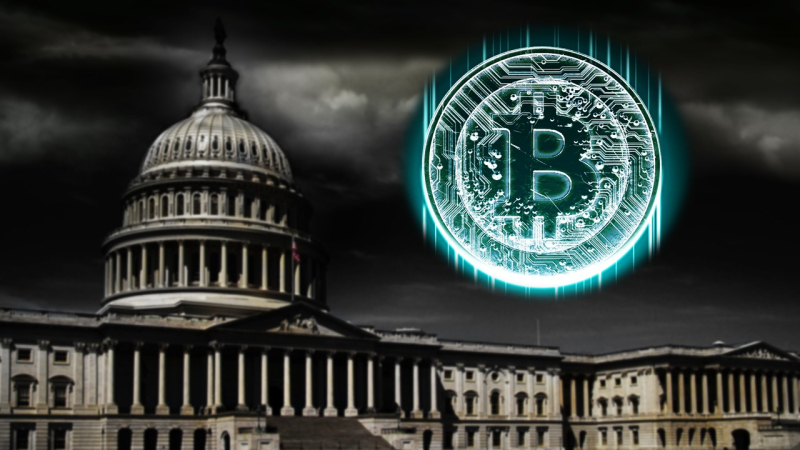
The cryptocurrency industry emerged as one of the most aggressive political spenders in the 2024 U.S. election cycle, deploying more than 130 million dollars in campaign donations and lobbying efforts to influence federal and state races. The scale of spending marked a turning point for an industry that only a few years earlier was struggling to recover from a sharp market collapse and credibility crisis. Political activity was concentrated on shaping regulatory outcomes, particularly around market structure, enforcement limits, and the role of digital assets within the broader financial system. Industry-backed political action committees and aligned donors targeted key races, aiming to build a more favorable policy environment as crypto firms sought legitimacy and long-term integration into mainstream finance.
A central feature of the strategy was alignment with political figures seen as receptive to deregulation and innovation narratives. After previously expressing skepticism toward bitcoin and digital currencies, Donald Trump became a prominent political ally of the crypto sector during the campaign cycle. Supporters within the industry framed crypto as a driver of financial modernization and economic competitiveness, while critics argued the sector was seeking to weaken oversight following past market failures. The political shift reflected a broader realignment between segments of Silicon Valley, digital asset firms, and populist political movements, creating an unusual coalition that blended technology advocacy with electoral strategy.
The industry’s political push followed the dramatic boom and bust cycle that culminated in the 2022 crypto market collapse, which erased billions in market value and exposed structural weaknesses across exchanges, lending platforms, and token projects. Rather than retreat, major crypto players intensified efforts to influence policymakers, arguing that clearer rules would stabilize markets and protect investors. Opponents countered that heavy political spending risked tilting regulation in favor of industry interests at the expense of consumers and long-term financial stability. The debate has increasingly focused on whether crypto’s integration into retirement accounts, pensions, and institutional portfolios could amplify systemic risk during future downturns.
Concerns have also been raised about transparency and ethics as lawmakers consider legislation affecting digital assets. Critics say the concentration of political funding from crypto-linked entities creates incentives to soften enforcement and narrow the scope of oversight, potentially repeating conditions that fueled earlier excesses. Supporters argue that political engagement is a necessary step for an industry seeking consistent rules after years of regulatory uncertainty. As Washington debates crypto market structure, stablecoins, and custody standards, the industry’s expanded political footprint is reshaping how digital assets are discussed within broader economic and financial policy conversations.