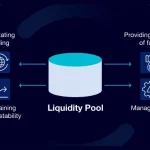
Blockchain brings transparency to climate markets.
A New Era for Carbon Trading
In 2025, energy firms are reshaping the global carbon credit market through blockchain tokenization. Long criticized for inefficiency and fraud, carbon trading has often failed to deliver on promises of transparency. By converting carbon credits into blockchain tokens, companies aim to create traceable, verifiable assets that can be traded instantly across borders. The shift is transforming carbon markets into dynamic digital ecosystems that combine climate goals with financial innovation.
Why Tokenization Matters
Traditional carbon markets face issues of double-counting, poor verification, and limited accessibility. Tokenization solves these problems by embedding every credit on the blockchain with a unique identifier and an auditable history. This ensures that credits cannot be duplicated or resold fraudulently. Smart contracts automate compliance and settlement, reducing the costs of verification and intermediaries. For energy firms, tokenization is not just about efficiency. It is about proving credibility in a world increasingly focused on sustainability.
Retail Investors Enter the Market
Retail users are gaining access to carbon credits for the first time. Apps now allow individuals to purchase fractionalized carbon tokens as investments or offsets for personal emissions. On TikTok and Instagram, influencers explain how buying a tokenized credit can reduce one’s carbon footprint, turning environmental action into a cultural trend. Memes depict tokenized credits as “green receipts,” blending climate responsibility with digital identity. For Gen Z, the ability to participate makes carbon trading both relatable and aspirational.
Whales Drive Liquidity
Whales are playing a crucial role by injecting liquidity into tokenized carbon markets. Large wallets are buying credits in bulk and trading them across multiple exchanges. Some whales are speculating on future demand as climate policies tighten, while others are hedging against reputational risks by supporting green initiatives. Their participation adds depth and visibility to markets that were once dominated by governments and a handful of corporations.
AI Dashboards Track Carbon Markets
AI dashboards amplify the impact of tokenized trading by monitoring flows in real time. Push notifications flag surges in demand, sudden shortages, or large-scale purchases by whales. Screenshots of these alerts circulate widely across social media, reinforcing the perception that carbon credits are evolving into a mainstream asset class. For policymakers and retail users alike, dashboards provide accessible windows into a market that was once opaque and inaccessible.
Institutions Join the Transformation
Institutions are also engaging with tokenized credits. Investment funds are adding carbon tokens to green portfolios, while multinational corporations use them to meet environmental, social, and governance goals. Exchanges are launching specialized markets for tokenized credits, offering liquidity and compliance frameworks. These institutional moves provide legitimacy, ensuring tokenized credits are seen not just as experiments but as financial tools embedded in global sustainability strategies.
Regulatory Outlook
Regulators are cautiously optimistic. Some governments support tokenization as a way to standardize markets and improve oversight. Others remain skeptical, fearing speculative bubbles and potential greenwashing. Global organizations like the United Nations are exploring frameworks to harmonize tokenized credits with international climate goals. The success of this movement will depend on striking a balance between innovation, accountability, and environmental integrity.
Cultural Narratives of Responsibility
Culturally, tokenized carbon credits are framed as tools of responsibility. Memes portray them as badges of honor, proving an individual or company is contributing to climate solutions. Influencers highlight stories of young people offsetting flights or businesses showcasing their green credentials through token purchases. This cultural framing ensures that participation is not just about compliance but about identity, making climate responsibility part of digital lifestyles.
Risks of Tokenized Carbon Markets
Despite optimism, risks remain. Some projects may exaggerate their environmental impact, undermining credibility. Technical challenges, such as interoperability between platforms, could fragment markets. Retail users unfamiliar with carbon accounting may be misled by flashy marketing. Analysts warn that transparency, education, and third-party verification will be essential to prevent tokenized carbon markets from repeating the failures of earlier systems.
Conclusion
Energy firms tokenizing carbon credits in 2025 represent a breakthrough in climate finance. Retail users participate as cultural actors, whales provide liquidity, AI dashboards amplify visibility, and institutions embed credits into strategies. Regulators cautiously engage while cultural narratives frame tokenized credits as symbols of responsibility. Risks remain, but the shift signals a profound change. For the first time, carbon markets are transparent, accessible, and global, proving that blockchain can align financial innovation with sustainability.