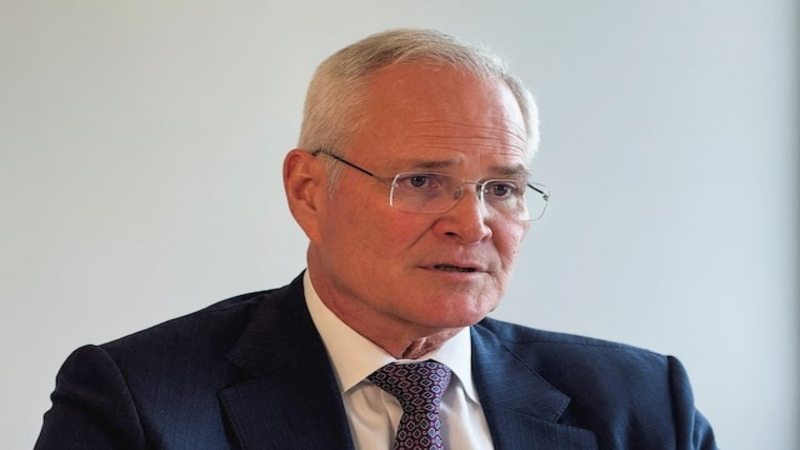
Exxon Mobil signaled it is prepared to evaluate a potential return to Venezuela, marking a possible shift after nearly two decades away from the country following the nationalization of its assets. Speaking after a White House meeting, Exxon’s chief executive said the company would first require security guarantees and a comprehensive technical assessment before sending teams into the country. The remarks come days after the removal of Nicolás Maduro reopened discussion around foreign investment in Venezuela’s oil sector. While the country holds the world’s largest proven crude reserves, Exxon emphasized that existing legal frameworks make Venezuela currently uninvestable and would need significant reform before long term capital could be committed.
Exxon Mobil CEO Darren Woods stressed that oil investments span decades and cannot be based on short term political developments. He said reforms to Venezuela’s hydrocarbons law and durable protections for foreign investors would be essential to justify any reentry. Exxon previously exited Venezuela after its assets were expropriated in the mid 2000s and is still owed billions of dollars from arbitration claims. Investors continue to view these unresolved disputes as a major risk, reinforcing caution despite renewed political momentum encouraging U.S. companies to participate in rebuilding Venezuela’s oil industry.
In contrast, Chevron indicated it is ready to move more quickly. Chevron executives told U.S. officials the company could immediately double production at its joint ventures with state oil company PDVSA and lift output further over the next two years within existing investment plans. Chevron is currently the only major U.S. oil company operating in Venezuela and has maintained a presence despite years of sanctions and production decline. The company highlighted its long history in the country and positioned itself as capable of delivering near term production gains if political conditions stabilize.
Other firms remain more cautious. ConocoPhillips executives called for broader restructuring of PDVSA and involvement from international banks before considering any return. ConocoPhillips and Exxon are among the largest non sovereign creditors of Venezuela and are owed more than $13 billion collectively from past expropriations. Industry analysts say the contrast between Chevron’s readiness and Exxon’s conditional approach highlights the tension facing U.S. oil firms. Vast reserves present an opportunity, but political uncertainty, legal risk and investor skepticism continue to cloud decisions around large scale reentry into Venezuela.