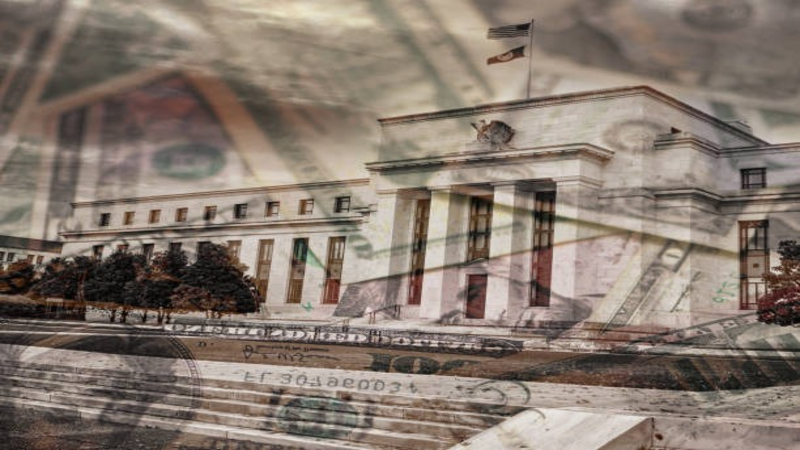
Every movement from the Federal Reserve carries a ripple effect across international markets. As the world enters another cycle of slower growth and shifting geopolitical dynamics, investors are paying close attention to upcoming policy guidance. The Fed’s decisions influence everything from borrowing costs to global liquidity, making it a central factor in currency trends. When expectations shift, even slightly, the impact spreads quickly across foreign exchange markets.
Many countries rely on stable exchange rates to protect trade value, manage inflation and maintain predictable operating environments. Because of this, the direction of the US dollar often reflects how global markets interpret the strength of the American economy. The Fed has the power to strengthen or weaken that perception, which is why its policy expectations play such an important role. Global currencies react within minutes whenever new guidance is released, demonstrating how interconnected the financial world has become.
How policy expectations shape USD movements
Federal Reserve policies directly affect the strength of the US dollar. When markets expect higher interest rates, the dollar often strengthens because investors shift toward US bonds for better returns. A strong dollar can create challenges for countries with high levels of dollar denominated debt or heavy import needs. On the other hand, expectations of rate cuts can weaken the dollar, encouraging increased spending, trade growth and investment activity across developing markets.
Market behavior is influenced not only by actual decisions but by investor expectations. Analysts track speeches, economic projections and inflation forecasts to anticipate Fed actions before they happen. This anticipation shifts currency demand ahead of official announcements, sometimes causing large moves in advance. As a result, global investors treat policy expectations as early indicators of how capital should be positioned across different regions and asset classes.
Why currency markets are sensitive to Fed communication
Currency traders respond quickly to any signal from the Federal Reserve because it provides clarity on future financial conditions. Even small adjustments in tone can change market sentiment. A more cautious approach from the Fed can weaken the dollar by suggesting slower rate hikes or earlier cuts. A stronger stance on inflation can push the dollar higher as investors expect tighter policy. This sensitivity reflects how much global finance depends on predictable and stable monetary guidance.
Central banks around the world also react to the Fed’s communication. Some match policy shifts to protect their own currencies, while others take independent paths based on domestic needs. These interactions create complex movements that influence the value of global currencies. Traders must analyze how each central bank responds, making Fed communication one of the most important elements in global currency strategy.
How emerging markets adjust to shifting policy expectations
Emerging markets often face the strongest effects from changing US policy expectations. When the dollar strengthens, borrowing costs rise for countries with large debt loads, and capital often flows out of riskier markets. This can create pressure on exchange rates and make imports more expensive. For countries already dealing with inflation, the impact can be significant. Investors typically reduce exposure to these markets during periods of expected US tightening.
When expectations shift toward easing, emerging markets usually experience renewed investment interest. Lower global yields make it easier for developing economies to attract foreign capital and finance growth projects. Many investors look for undervalued currencies or assets during these periods. The direction of Fed expectations is therefore a leading factor in emerging market performance, influencing everything from debt issuance to equity demand.
How businesses respond to currency volatility driven by Fed policy
Businesses operating across borders must adjust their strategies whenever currency volatility increases. Companies that rely heavily on global supply chains use hedging tools to manage the risk of rapid exchange rate movements. Importers and exporters also adjust pricing models to account for stronger or weaker currencies. Even small shifts in policy expectations can change profit margins, especially for firms in sensitive industries such as energy, manufacturing and technology.
Some businesses take advantage of currency shifts by expanding into new markets when conditions become favorable. Others delay international investments until policy expectations become clearer. These strategic decisions highlight how closely corporations follow Fed signals, treating them as essential risk management tools.
Conclusion
Federal Reserve policy expectations influence global currencies by shaping investor behavior, signaling financial conditions and guiding international capital flows. As markets adjust to shifting expectations, currencies often move ahead of official decisions. Understanding these trends helps investors, businesses and policymakers prepare for the broad impact that future Fed actions may have on global financial stability.