


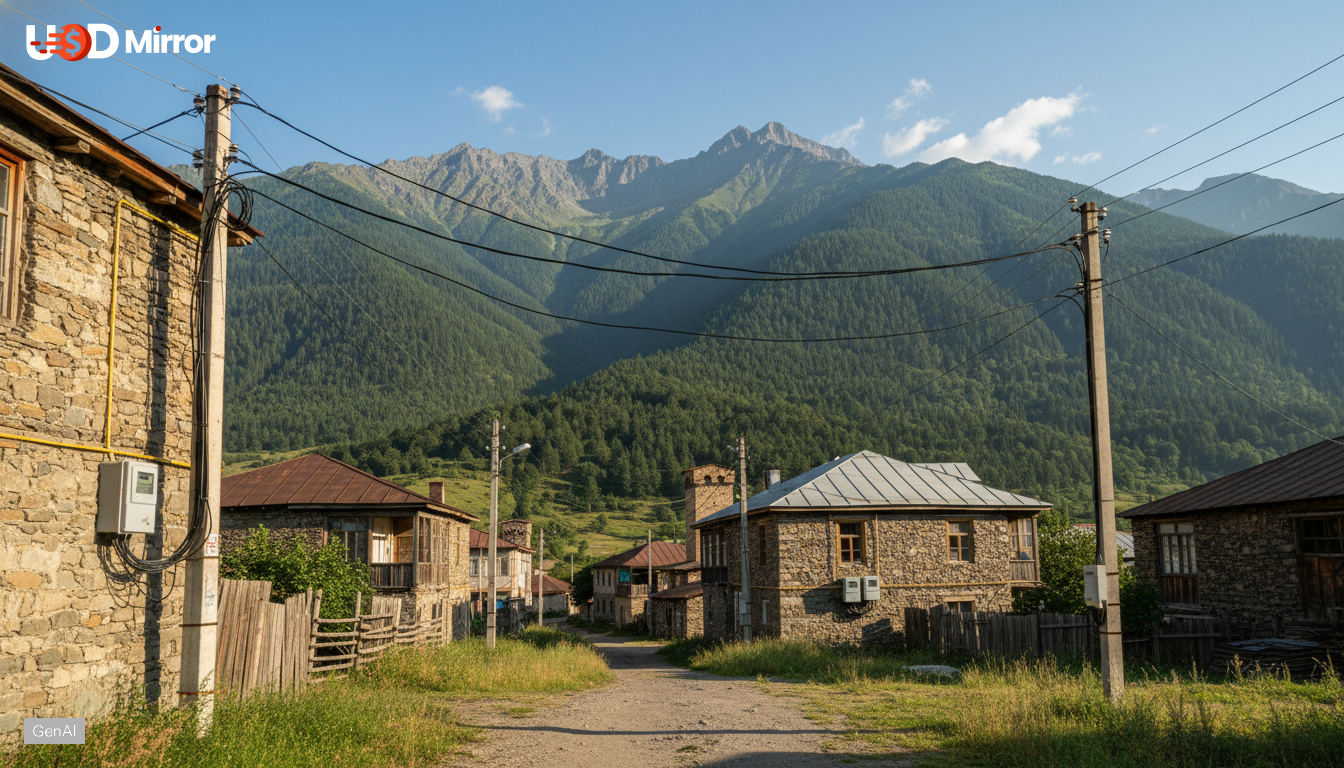
Georgia Begins Mestia Crypto Mining Crackdown
Georgia has stepped up enforcement in the mountain region of Mestia in a crypto mining crackdown focused on unregistered operations using subsidized electricity. Inspections have targeted hidden mining rigs, unauthorized hookups, and power use that exceeds household limits, according to available reports. Officials have framed the effort as an energy management and public safety measure after reports of recurring outages and voltage drops. The goal is to reduce non-technical losses, restore predictable load on the local network, and ensure residents and small businesses are not left absorbing the cost of covert industrial scale consumption.
Why Illegal Mining is Straining Mestia’s Grid
Grid operators and municipal leaders say unaccounted demand can destabilize service during peak periods, especially in remote areas with limited distribution capacity and seasonal spikes. Available reports suggest that the latest inspections followed complaints tied to repeated power cuts and poor power quality, which officials link to concealed mining loads. In one section on how incentives can widen gaps in oversight, Tokenisation Infrastructure and Stablecoins in Finance draws parallels between energy systems and payments rails that regulators increasingly monitor for abuse. Local authorities argue the enforcement push is intended to protect essential services while keeping legitimate commerce running.
Electricity Meters Rolled Out to Detect Abnormal Loads
Authorities have paired inspections with a broader rollout of electricity meters in Mestia to make consumption easier to verify and bill. Related enforcement in digital finance has highlighted how monitoring and traceability can shape compliance outcomes, as covered in Circle USDC Freeze: $12.6M Tied to Zama Flow, and available reports describe meters as a way to flag abnormal load patterns, deter tampering, and reduce disputes over who is responsible for losses. Officials say separating household use from undeclared industrial scale demand is central to the current approach. For wider context on regulatory pressure points, see Stablecoin Concerns Rise Amid MiCA Enforcement in Europe.
Government Strategy: Inspections, Billing, and Penalties
Beyond site visits, Georgian officials are signaling a strategy that treats illicit mining as an economic and governance risk when cheap power is exploited. Available reports characterize the approach as coordinated across local administration and energy management rather than isolated raids. In Mestia, policymakers say the objective is to narrow the room for illegal activity by increasing the likelihood that large, hidden loads are detected and linked to specific premises, and by raising the certainty of penalties for manipulation. The government’s message is that enforcement will follow measurable abuse, not rhetoric, as authorities emphasize monitoring, billing discipline, and predictable deterrence.
What the Crackdown Could Mean for Future Mining Activity
The Mestia operation suggests jurisdictions with constrained grids may tighten supervision where mining clusters around low tariffs or weak oversight. Available reports indicate that officials see electricity meters and targeted inspections as tools that could be scaled to other areas if similar patterns emerge. The crypto mining crackdown could also influence investor assumptions about where mining can expand without triggering local backlash from communities facing outages. For legitimate operators, the key implication is that registration and transparent power contracts may become baseline requirements for stable operations. For unregistered actors, abnormal usage becomes easier to flag and attribute. In Georgia, the next test is whether reduced losses translate into more reliable service.