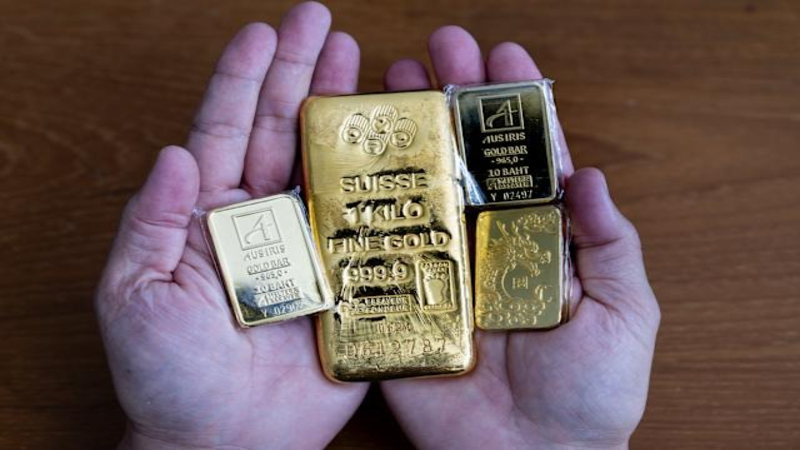
Gold surged to a fresh all time high above 5,400 dollars per ounce on Wednesday as investors piled into precious metals following remarks from Federal Reserve Chair Jerome Powell. The rally accelerated during Powell’s post meeting press conference, even as the central bank held interest rates steady within the 3.50 to 3.75 percent range. When asked about the sharp rise in gold and silver prices, Powell urged caution, saying the move should not be interpreted as a broader macroeconomic signal. He rejected suggestions that the rally reflected a loss of confidence in the Federal Reserve, pointing instead to stable inflation expectations. Markets appeared unconvinced, with gold buying intensifying shortly after his comments. Silver and platinum also posted strong gains, but gold stood out given its scale and global role as a store of value during periods of uncertainty.
The move pushed gold further ahead of other major asset classes, reinforcing its dominance as a defensive hedge amid geopolitical tension and fiscal concerns. With an estimated market value near 40 trillion dollars, gold’s advance carried significant weight across global markets. Investors increasingly appear to be favoring tangible assets as questions persist around government debt levels and long term monetary stability. The latest surge extends a powerful run that has already seen gold gain more than 90 percent over the past year. Analysts note that demand is being driven not only by inflation hedging but also by broader concerns around currency debasement and geopolitical fragmentation. Powell’s attempt to downplay the signal from precious metals did little to slow momentum, highlighting the gap between central bank messaging and investor behavior.
Bitcoin, often described as digital gold, remained largely sidelined during the rally. The cryptocurrency traded in a narrow range around 89,000 dollars, showing little reaction to either the Fed decision or the sharp move in metals. While gold posted a decisive breakout, bitcoin drifted slightly lower before stabilizing, ending the session flat on the day. Other major cryptocurrencies showed similar price action, reflecting a lack of conviction across the digital asset market. U.S. equities were also subdued, with investors awaiting earnings from major technology firms. The contrast between gold’s explosive gains and bitcoin’s muted response has become more pronounced in recent months, challenging assumptions about how crypto assets perform during periods of macro stress.
The divergence is fueling debate over bitcoin’s role as a hedge against systemic risk. Despite conditions that many argue should support crypto prices, including a weaker dollar and rising geopolitical uncertainty, bitcoin has struggled to keep pace with traditional safe haven assets. Market participants note that while digital assets offer portability and scarcity, gold continues to benefit from centuries of trust and deep institutional integration. Some analysts argue the current environment reflects a reallocation of market share back toward gold rather than a broad rejection of crypto. As gold continues to set new records, the question of whether bitcoin can reclaim its narrative as a macro hedge remains unresolved, with investors increasingly distinguishing between the two rather than treating them as equivalents.