Borrowing costs surge as whale exits ripple through lending protocols.
The Pressure on DeFi’s Backbone
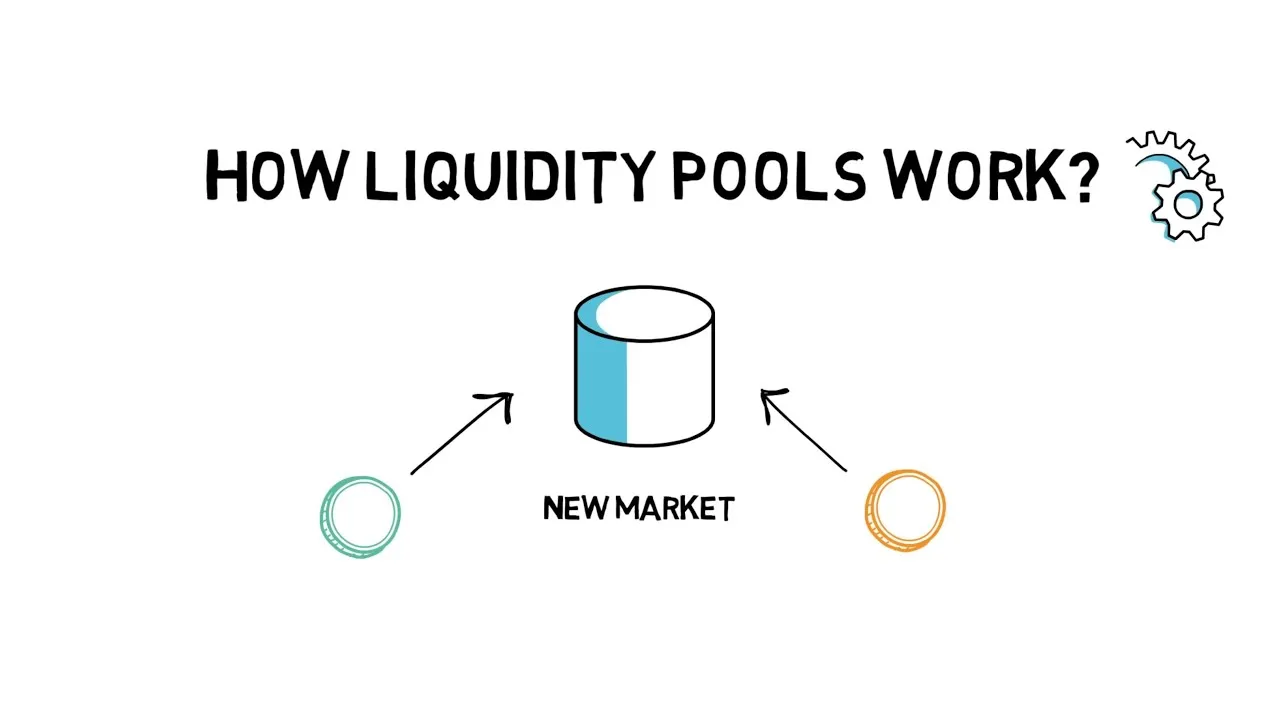
Decentralized finance (DeFi) has always promised open, permissionless markets where liquidity is accessible to anyone with a wallet. At the heart of that vision are liquidity pools, the reservoirs of capital that power lending, borrowing, and yield generation. But in 2025, strains are showing. Borrowing costs are spiking, yields are fluctuating wildly, and whale exits are shaking confidence in platforms once considered resilient. The question now is whether DeFi yields can remain sustainable under mounting macro and structural pressures.
Whale Exits Raise Red Flags
Recent weeks saw several whale wallets withdraw hundreds of millions from major lending pools on Ethereum and Layer-2 platforms. These exits triggered sudden liquidity shortages, driving up borrowing rates for retail users and leaving smaller investors exposed to higher risks. Analysts argue that whales are rotating capital into safer yield opportunities, such as dollar-denominated stablecoin lending on centralized exchanges, where volatility is lower. For DeFi protocols, losing large-scale liquidity providers undermines both stability and trust.
Borrowing Costs on the Rise
As liquidity thins, borrowing costs have surged. Rates on stablecoin loans that hovered around 4 to 6 percent earlier this year have jumped to double digits on some platforms. For retail traders looking to leverage positions in Bitcoin, Ethereum, or altcoins, this spike in costs has been punishing. AI dashboards flag “yield strain alerts,” warning that borrowing risks are elevated across multiple DeFi ecosystems. The alerts have spread widely on Discord and Telegram, fueling debates about whether DeFi’s yield machine is breaking down.
Retail Investors Feel the Pinch
Gen Z traders, who make up a large share of DeFi’s retail user base, are particularly affected. Many entered DeFi during periods of high yields, often exceeding 20 percent, and built strategies around passive income. Now, those returns are being offset by rising costs and volatile token prices. Frustration is spilling onto TikTok, where creators post memes about “yield rugs” and “DeFi tax.” For smaller wallets, the dream of financial freedom through yield farming feels increasingly out of reach.
Stablecoins as a Pressure Valve
Stablecoins remain central to DeFi’s liquidity dynamics. With offshore dollar stress driving premiums in Asia, stablecoin demand has surged, putting additional pressure on DeFi pools. As USDT and USDC yields climb, capital flows out of riskier pools and into stablecoin lending. This migration stabilizes some parts of the ecosystem but leaves others exposed, creating fragmentation in DeFi liquidity. Analysts warn that unless stablecoin issuance expands, strain on yields will persist.
Protocol Governance Responses
Some DeFi protocols are responding with emergency measures. Governance forums are debating incentives to attract new liquidity providers, including higher token rewards and fee rebates. Others are exploring cross-chain integrations to diversify capital inflows. Yet these quick fixes may only provide temporary relief. Long-term sustainability depends on creating models that balance attractive yields with risk management. Without structural reform, DeFi risks repeating the boom-and-bust cycles that have already scarred investor trust.
Macro Forces in Play
DeFi’s struggles are not occurring in isolation. Higher-for-longer interest rates from the Federal Reserve and the European Central Bank have made traditional yields more competitive. Institutional capital that once flowed into DeFi chasing returns now finds safer opportunities in bonds and money markets. Meanwhile, global regulatory scrutiny is tightening, adding uncertainty that discourages large-scale participation. The convergence of macro tightening and structural weaknesses leaves DeFi vulnerable to further shocks.
Outlook: Sustainable or Not?
The future of DeFi yields depends on whether protocols can adapt. If whale exits continue and borrowing costs remain elevated, retail participation could shrink, undermining the system’s core premise of accessibility. On the other hand, innovations in cross-chain liquidity, real-world asset integration, and governance reform may restore balance. Sustainability will likely hinge on aligning yields with genuine economic activity rather than relying on incentives and hype.
Conclusion
Liquidity pools are the backbone of DeFi, but they are showing signs of strain under whale exits, rising borrowing costs, and macro headwinds. While the ecosystem has survived crises before, the current pressures raise urgent questions about sustainability. For Gen Z traders, the lesson is that high yields come with hidden risks. In 2025, DeFi remains an experimental frontier, and its ability to deliver stable, reliable returns is far from guaranteed. The coming months will reveal whether liquidity pools can endure or whether the dream of decentralized yield needs a serious reset.
Author: Alexandra Chen | Macro & Markets Writer
Email: alexandra@cheenews.com