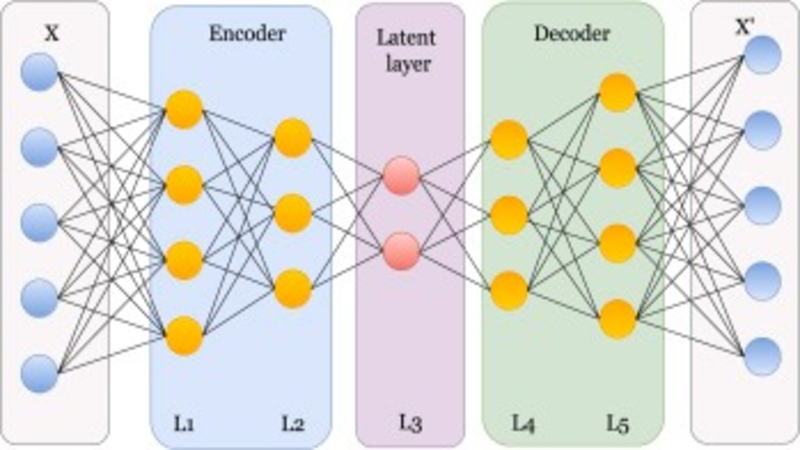
Market behavior across digital assets continues to evolve as neural networks uncover relationships that were previously impossible to detect through standard price analysis. One of the most surprising findings emerging from recent AI driven studies is the correlation between intraday movements in dollar futures and gas fee spikes across several major Layer 2 networks. Although these markets operate in different domains, AI systems are identifying synchronized patterns that often precede liquidity shifts in both traditional and digital ecosystems.
The underlying logic is becoming clearer. As dollar futures respond to changes in macro expectations, traders adjust their digital asset positions, which influences network activity. Neural networks trained on historical and real time data now highlight these micro correlations as early signals. While the relationships are not constant, they appear most frequently during periods of heightened macro uncertainty when even small changes in dollar sentiment can influence broader risk behavior.
Why Neural Networks Are Capturing This Cross Market Signal First
The strongest correlations detected by neural networks occur during time windows where institutional flows intersect with on chain activity. Dollar futures often react immediately to announcements, policy comments and economic data. Neural networks map these movements against network congestion and gas pricing on Layer 2 platforms, revealing subtle but repeated alignment. Traditional statistical tools would overlook these patterns because the relationship is rarely linear.
Neural models track fluctuations in volatility clusters across both asset classes, identifying pressure points where traders reposition. When dollar futures shift unexpectedly, automated trading strategies adjust exposure to digital assets. This surge in activity can briefly push Layer 2 networks toward higher utilization, increasing gas fees. The AI systems detect these moments because they analyze thousands of variables simultaneously, from trade size distributions to order flow density and wallet movement frequency.
These correlation signals also tend to emerge in conditions where liquidity is thinner or more fragmented. Neural networks flag the overlaps as structural rather than accidental, especially when the reaction in gas pricing aligns more closely with market sentiment rather than organic blockchain demand. This creates a measurable pattern that traders may use to anticipate micro bursts of volatility.
The Role Of Automated Market Makers In Amplifying Gas Spikes
Automated market makers play a significant role in this behavior. Whenever dollar futures exhibit sharp moves, liquidity providers adjust their positions to manage exposure. This activity can generate a burst of transactions on Layer 2 networks, particularly on platforms optimized for high throughput. Neural networks capture this phenomenon by tracking how liquidity pools rebalance when risk conditions change.
The rise in gas fees does not come from a single activity type. It often originates from a mix of hedging transactions, arbitrage executions and short term repositioning within digital markets. Neural systems identify these combined effects as a multi variable response, rather than a simple supply and demand imbalance. The clustering pattern reveals how friction in one market may translate into pressure in another, even without direct causal linkage.
Macro Sensitivity Is Increasing Across Digital Markets
Digital markets have become more responsive to macroeconomic signals, and neural networks are at the center of interpreting this shift. When dollar futures move in reaction to policy expectations or rate discussions, sentiment often spills into digital assets. Traders tend to adjust exposure more rapidly, and these micro adjustments leave a footprint in blockchain data. The gas spikes detected on Layer 2 networks are a reflection of this accelerating interaction.
Neural networks also highlight the growing influence of institutional participation. As professional trading firms execute efficient hedging strategies, their activity contributes to short bursts of increased network usage. This adds another layer of correlation that AI systems can detect but humans often overlook.
What These Correlations Mean For Traders
The discovery of hidden correlations does not imply that gas spikes directly cause dollar future movements or vice versa. Instead, it shows that both markets now respond to shared underlying conditions. Traders who monitor these AI derived insights may gain an advantage by understanding when network congestion hints at macro driven sentiment changes.
These neural findings reinforce the view that digital and traditional markets are converging. As more activity shifts to automated strategies, correlations will become both more complex and more important to track. Neural networks provide a valuable lens for capturing these evolving dynamics.
Conclusion
Neural networks are detecting meaningful overlaps between dollar futures and Layer 2 gas activity, revealing how macro sentiment increasingly influences on chain behavior. These findings highlight a new dimension of cross market analysis that may help traders interpret short term volatility and shifting. liquidity conditions.