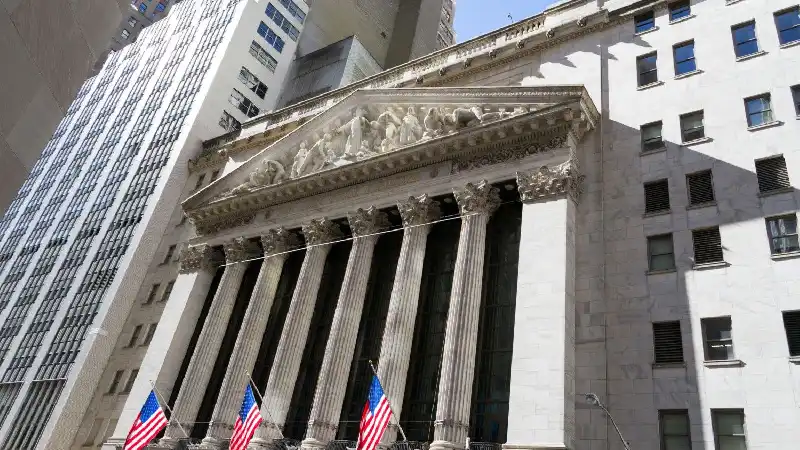
The New York Stock Exchange is advancing its push into blockchain based markets by partnering with tokenization specialist Securitize to develop a platform for tokenized stocks and exchange traded funds. The move reflects a broader shift among traditional financial institutions toward integrating blockchain infrastructure into capital markets. As competition intensifies with other major exchanges, the initiative signals a growing effort to modernize equity trading by enabling faster settlement, continuous market access, and improved operational efficiency across global financial systems.
Under the agreement, Securitize will act as a key design partner for the exchange’s planned digital trading platform, focusing on how ownership records and corporate actions are managed when securities are issued on blockchain rails. As a registered transfer agent, the firm brings regulatory experience that aligns with the requirements of US financial authorities. It is expected to be among the first participants able to issue tokenized versions of equities and funds on the platform, subject to approvals. This positioning could give Securitize a strategic role across both issuance and trading activity in emerging digital markets.
The initiative highlights how tokenization is reshaping the structure of financial markets by bridging traditional assets with blockchain technology. Tokenized equities allow ownership to be represented digitally, enabling near instant settlement and reducing reliance on legacy clearing systems. This shift has the potential to unlock greater liquidity and extend trading hours beyond traditional market windows. Analysts note that such developments could gradually transform how capital flows through markets, particularly as institutional adoption increases and regulatory frameworks evolve to support new financial infrastructure.
Market participants see the move as part of a larger competitive race among exchanges to capture the future of asset trading. Rival platforms have already begun implementing similar strategies, including securing regulatory approval for blockchain based trading systems and forming partnerships to expand distribution of tokenized assets globally. These developments suggest that tokenization is moving from experimentation into practical implementation, with major players investing heavily to establish early leadership in what could become a multi trillion dollar segment of financial markets.
The background to this shift lies in growing demand for efficiency, transparency, and accessibility in financial systems. Traditional settlement processes can take multiple days and involve several intermediaries, increasing costs and operational complexity. Blockchain based systems aim to streamline these processes by allowing direct ownership tracking and automated execution of transactions. This not only reduces settlement risk but also opens the door to new financial products and services that operate seamlessly across different markets and jurisdictions.
Additional momentum is coming from institutional investors and asset managers who are exploring tokenized versions of traditional assets as part of broader digital transformation strategies. Large financial firms are increasingly backing platforms and technologies that support on chain asset issuance and trading, signaling confidence in the long term potential of tokenization. At the same time, regulatory oversight remains a central consideration, with authorities focusing on ensuring that investor protections and market integrity are maintained as new systems are introduced.
Recent developments also point to deeper integration between traditional finance and digital asset ecosystems. Exchanges are investing in partnerships with crypto platforms and infrastructure providers to build hybrid systems that combine the reliability of established markets with the flexibility of blockchain technology. This convergence is creating new opportunities for cross border trading, faster capital movement, and expanded access to financial markets for a broader range of participants.
For now, the focus remains on regulatory approval and technical implementation, both of which will determine how quickly tokenized trading becomes mainstream. The collaboration between established exchanges and specialized blockchain firms suggests that the transition is already underway, with early platforms likely to set standards for the industry. As infrastructure develops and adoption grows, tokenized equities could redefine how investors interact with global markets in the years ahead.