

RWA tokenization and the Philippine SEC’s potential direction
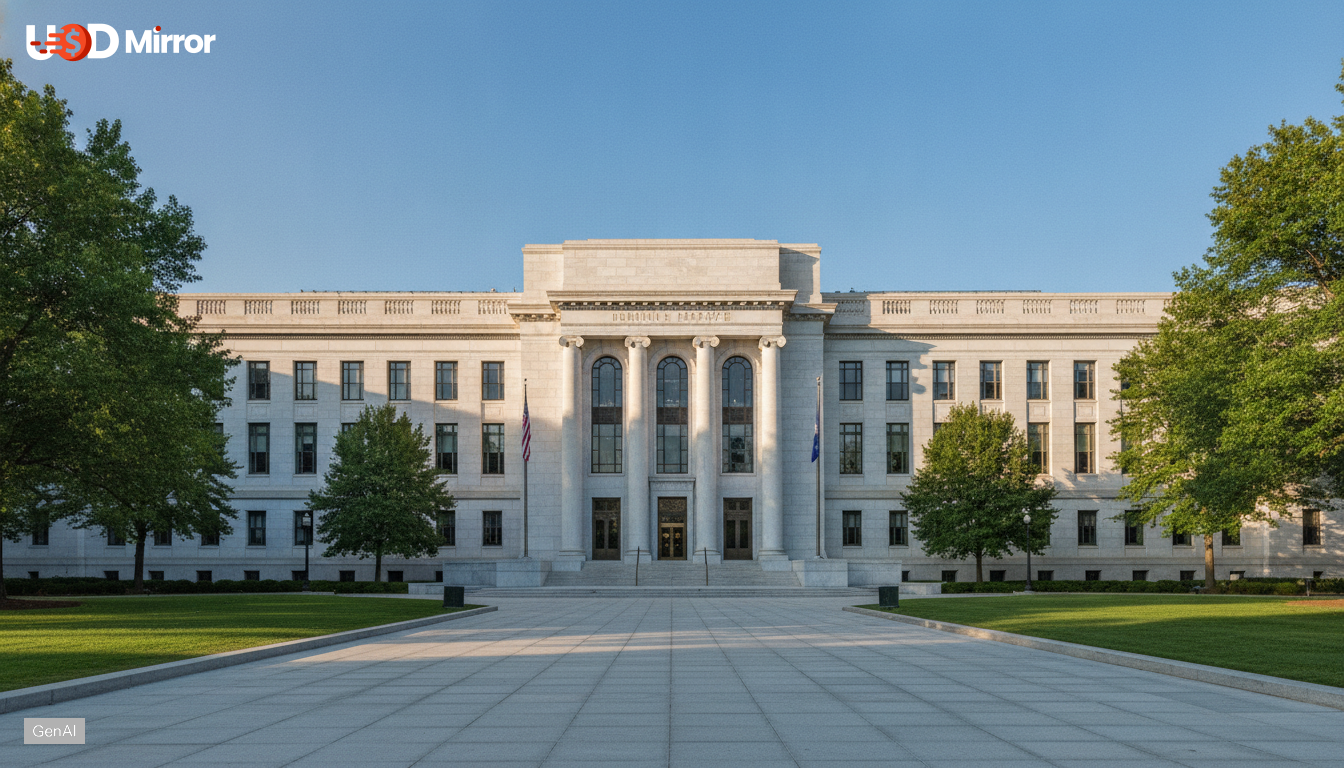
RWA tokenization may be edging closer to a formal compliance path in the Philippines. Reportedly, the Philippine SEC is preparing clearer treatment for tokenized real-world assets under existing securities rules, as indicated by local business coverage. Those reports suggest the regulator emphasized investor protection and market integrity. They are assessing how onchain representations of traditional instruments could be issued and supervised. In this setup, tokenized assets are expected to meet licensing, disclosure, and custody standards from the start. This approach is being applied to product expectations rather than pilots. The coverage also hints at SEC coordination with other domestic financial authorities, though formal details and timelines remain unpublished.
Potential implications for RWA tokenization products
For brokers, fund managers, and fintech platforms, the practical impact could be earlier compliance requirements in product design and marketing. If regulators apply existing securities expectations, this might encourage sandbox-style pilots for tokenized offerings with familiar guardrails. It could help reduce the risk that retail buyers are sold opaque claims, keeping RWA tokenization aligned with suitability practices. Operators are also observing how U.S. dollar settlement rails and stablecoins might intersect with local custody and segregation rules. Meanwhile, banks abroad are exploring onchain rails. CoinDesk reports on the Anchorage tokenized deposit platform, and for more on regulated distribution, see Tokenized Deposit Network: Big US Banks Launch.
Operational challenges: identity, custody, and settlement
Operational issues remain the toughest. Tokenization typically requires reliable identity checks, transfer restrictions, and reconciled records across intermediaries. Lawyers and compliance teams will focus on whether a token is treated as a security, deposit, or commodity, as each affects marketing and reporting obligations. Even traditional assets can introduce smart-contract risk and key-management exposure. There’s potential for mismatches between onchain settlement and offchain registries, similar to issues raised in Tokenized equities: Blockchain.com expands access quickly. Platforms may need controls for corporate actions, redemptions, and dispute handling to satisfy examiners.
How global trends influence local rulemaking
On the international front, regulators push for clearer separation between unregistered offerings and compliant infrastructure. The Philippine SEC seems aligned with this direction. U.S. policy debates often link market structure with tax treatment and disclosure, noted by CoinDesk’s coverage of crypto tax policy lobbying. Unlike regions relying on informal guidance, local stakeholders prefer clear licensing and product labeling to avoid ambiguity. The closer frameworks stay to securities concepts, the easier for banks and broker-dealers to join without risk, especially as stablecoin rails expand, as discussed in USDC minting surge: 250M tokens flood the market.
Outlook for the Philippine tokenized assets market
The near-term progress is uncertain. It depends on issuers proving that tokenized products can reduce friction without losing transparency or investor safeguards. If the SEC does proceed with defined approval pathways in 2026, as local reporting hints, early instruments may have straightforward cash flows and standardized documentation. Cross-border insights from tokenized equities could shape local playbooks for corporate actions. Participants will watch if regulated stablecoin settlement gains acceptance for workflows, potentially reducing settlement time and preserving audit trails, as explored in Crypto Market Impact: EU USDT Delistings Squeeze Liquidity.