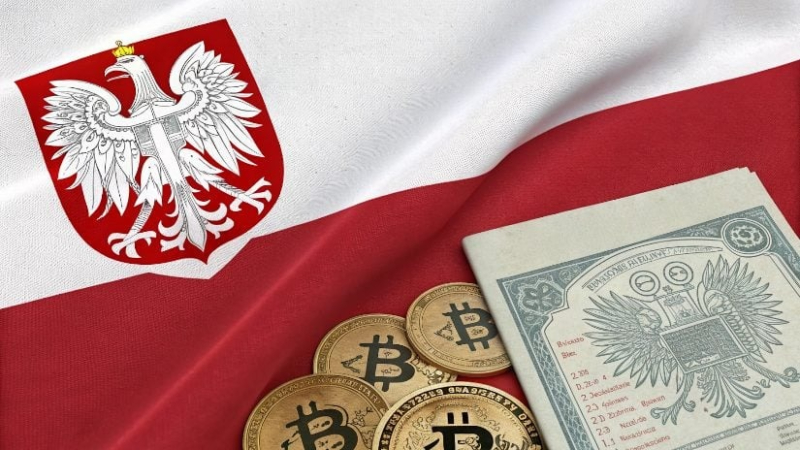
Poland’s political arena turned into a high energy flashpoint for global crypto watchers as lawmakers refused to overturn the presidential veto on a major digital asset bill, shutting down the government’s push for tighter oversight on crypto markets. The decision arrives at a time when Europe is scrambling to align around new digital finance rules and it signals that Poland’s internal power struggle is spilling directly into the crypto landscape. Prime Minister Donald Tusk delivered sharp warnings that foreign intelligence networks view the crypto market as an easy target and he framed the legislation as a national security shield. Lawmakers described a tense closed session where Tusk laid out what he labeled urgent security concerns before the debate opened to the public. The vote immediately sent signals across European trading groups who had expected Poland to accelerate crypto supervision, especially as other EU states adopt lighter MiCA frameworks.
Right wing parties pushed back aggressively, arguing the bill would push Web3 companies out of Poland and introduce far heavier obligations than other EU economies. Critics said the current proposal did not reflect the spirit of innovation that MiCA was meant to support and claimed the government framed the debate in exaggerated national security terms. The president’s office accused the administration of forcing a binary choice between security and free markets and insisted that the government collaborate on a more workable version. Industry analysts watching Warsaw say the battle reflects a deeper divide between those who view crypto as a governance risk and those who see it as a competitive digital sector Poland cannot afford to scare away. The failed override signals that the ruling coalition lacks the united support needed for aggressive regulatory reforms.
Behind the scenes lawmakers say the security briefing referenced Russian involvement in digital finance scandals and concerns that cryptocurrency flows have been used to fund sabotage networks across Europe. Polish security services have previously warned that hostile actors exploit anonymous or lightly regulated channels to pay operatives or move funds. While Moscow denies these allegations the rising number of cyber incidents across the European Union has amplified pressure for stronger frameworks. Yet with the veto upheld Poland now enters a period of regulatory limbo. Crypto firms remain uncertain about licensing expectations and investors lack clarity on upcoming compliance obligations. Brussels officials will be watching closely since Poland is a key regional player for MiCA rollout. For now Warsaw’s internal feud has abruptly halted momentum and the wider market is left interpreting whether this signals hesitation, recalibration or a deeper political fracture over digital asset oversight.