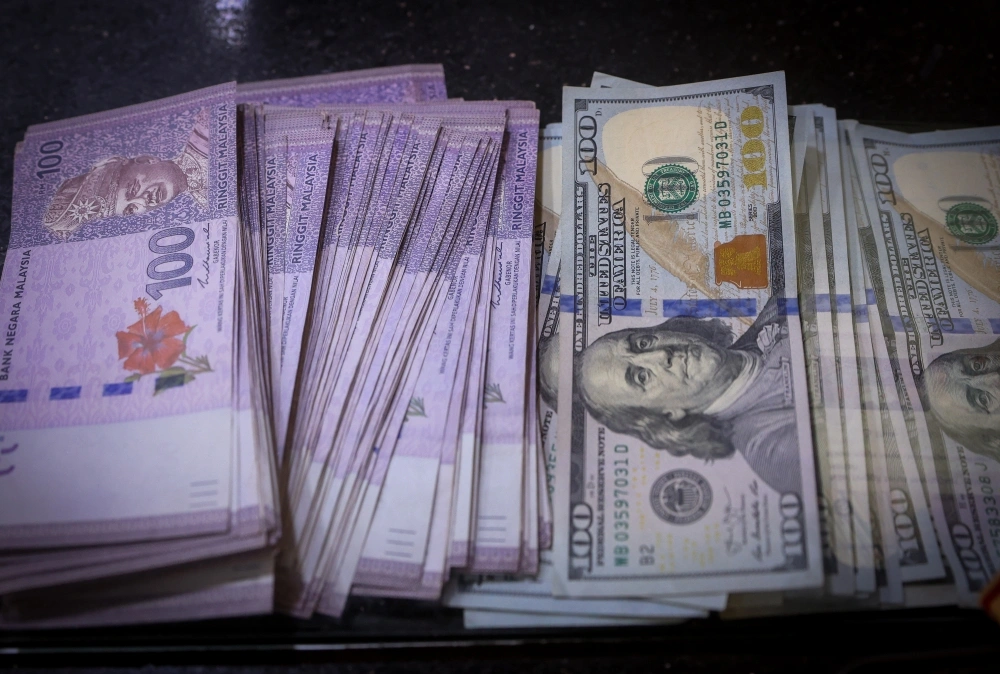
The Malaysian Ringgit ended the trading session almost unchanged against the US Dollar as investors navigated uncertainty linked to ongoing tensions in West Asia. Currency markets remained cautious, with limited movement reflecting a balance between risk concerns and broader market stability. Traders appeared reluctant to take strong positions as geopolitical developments continued to influence sentiment.
West Asia tensions have been a key driver of market behavior, particularly due to their impact on global energy prices and investor confidence. Fluctuations in oil markets often affect emerging market currencies like the ringgit, given Malaysia’s role as an energy exporter. While higher oil prices can offer some support, heightened uncertainty tends to limit gains by encouraging cautious trading.
Market participants are also monitoring economic indicators and central bank signals to assess the currency’s outlook. Domestic factors, including growth expectations and inflation trends, continue to play a role in shaping the ringgit’s performance. However, external developments remain a dominant influence in the current environment, especially as geopolitical risks persist.
Analysts note that the near flat movement suggests a temporary equilibrium, where opposing forces are keeping the currency within a narrow range. On one hand, supportive commodity prices provide a cushion, while on the other, global risk aversion prevents stronger appreciation. This balance is expected to continue as long as uncertainty remains elevated.
As markets respond to ongoing developments, the ringgit is likely to remain sensitive to both geopolitical headlines and economic data. Traders will continue to monitor changes in sentiment and external conditions to determine the next direction for the currency.