Sony Bank explores US pathway amid tighter rules
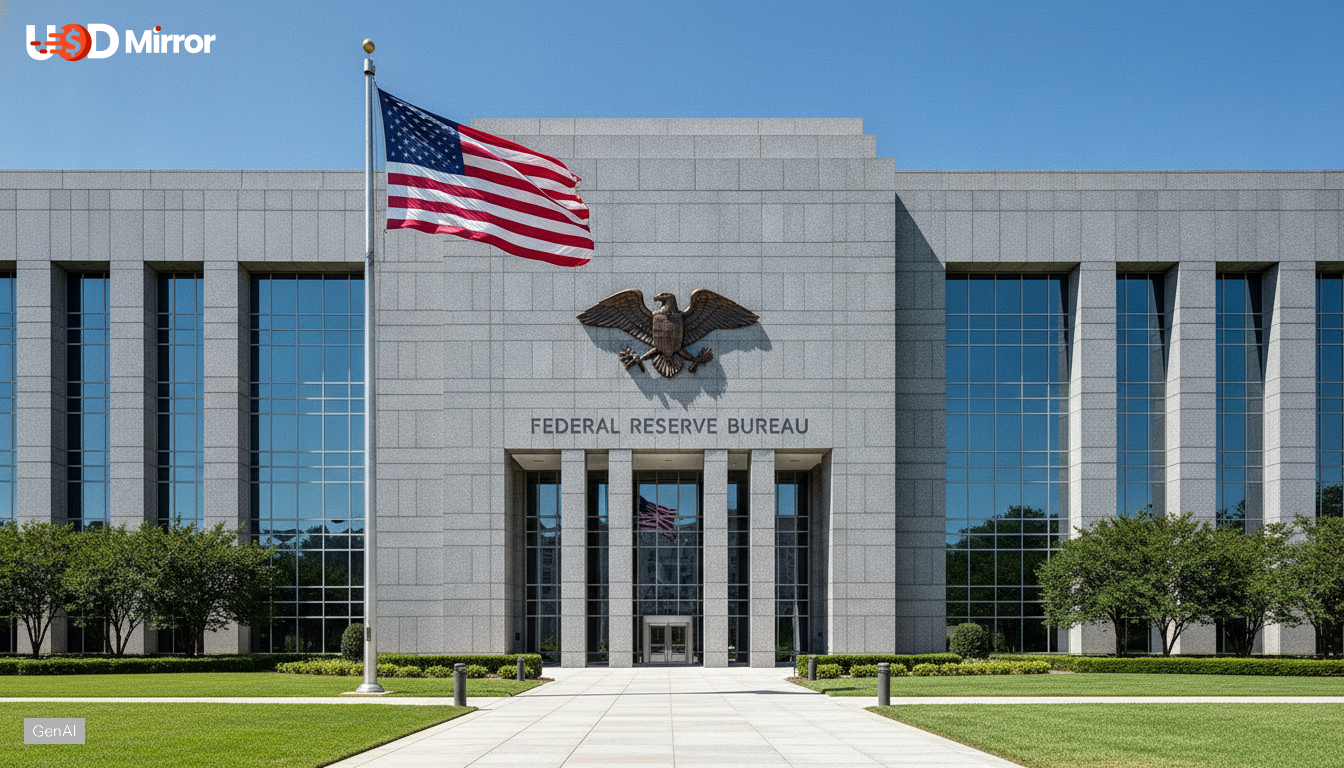
According to available reports, Sony Bank reportedly received a green light from a US banking regulator to move forward with planning tied to a US dollar stablecoin. Public details of the decision have not been linked to a named regulator document in this draft, so the precise scope of the authorization and supervisory structure remains unclear. More broadly, stablecoin regulation is increasingly shaping how issuers define product scope, distribution channels, and disclosures to customers and counterparties. Sony Bank said the work will follow supervisory expectations and bank risk standards, including controls that can be reviewed through standard audit processes. For the market, the development suggests regulated institutions may be able to advance issuance when licensing, governance, and consumer safeguards are addressed early.
Why Sony is entering stablecoins under a compliance-first model
For Sony Bank, the reported approval supports a broader expansion of digital finance products through regulated rails rather than informal token distribution. A separate sector example of compliance driven scrutiny is covered in Samsung profits soar as AI chip sales lift memory, which shows how governance affects adoption in adjacent markets. The bank is positioning the stablecoin as an extension of existing payment and settlement services, where compliance can be reviewed like any other banking activity and aligned to requirements set by stablecoin regulation. Sony Bank’s move also lands amid international comparisons, as UK stablecoin regulation discussions can influence cross border product design, disclosures, and custody choices for global firms.
Market impact as oversight expectations raise barriers
The immediate market effect is less about near term volume and more about competitive signaling among regulated issuers and banking partners. Coverage by CoinDesk provides context on how firms are building compliant crypto infrastructure, including Ethereum’s newest nonprofit and Wall Street crypto guidance. When a licensed bank appears to secure a pathway for issuance, counterparties can model onboarding, treasury operations, and settlement risk using familiar controls, and compliance expectations become a checklist rather than an open question. In that environment, meeting audit, custody, and disclosure expectations can raise barriers for lightly structured competitors, helping banks, fintechs, and exchanges price liquidity and operational risk with clearer assumptions.
Operational requirements for a bank-issued dollar token
Even if the reported authorization is confirmed, execution will depend on how the issuer operationalizes reserve custody, redemption timing, and third party vendor controls under bank supervision. Stablecoin regulation expectations typically include documented risk management, internal audit coverage, and clear customer communication for novel products. For related coverage on regulated product expansion, see Ripple Open USD Push Gains Visa and Mastercard Backing, which shows how partnerships can shape distribution, oversight, and control design. Sony Bank will also face integration questions, such as whether the token is used only in closed loop services or can move across external venues. Interoperability work will matter for settlement utility, and the bank will need monitoring for fraud and sanctions screening.
What this stablecoin compliance path means next
The reported development creates a model other institutions may study as they weigh tokenized money strategies that fit within existing bank compliance programs. Sony Bank’s approach suggests that regulated issuance can be framed as infrastructure for payments and settlement, rather than a speculative instrument, if stablecoin regulation requirements are met in day to day operations. Regulators and banks are likely to focus on measurable safeguards, including third party attestations, transparent redemption policies, and resilience testing for operational continuity. Cross jurisdiction comparisons will continue to matter, particularly where UK stablecoin regulation or EU frameworks set different disclosure and safeguarding rules that influence global product design. Over the coming quarters, a key indicator will be adoption in real commerce workflows with consistent redemption performance and auditable controls.