Stablecoin transaction activity surged to a record $33 trillion in 2025, underscoring how dollar-linked digital tokens are becoming a core layer of global financial flows. The sharp rise reflects growing use of stablecoins for payments, trading settlement and cross-border transfers as regulatory conditions in the United States turned more accommodating toward crypto-linked finance. Data compiled by Artemis Analytics shows total stablecoin volumes rose 72 percent from the prior year, marking one of the fastest expansions on record for blockchain-based payment instruments. The scale of activity now rivals traditional wholesale payment networks, signaling that stablecoins are no longer confined to niche crypto markets but are increasingly embedded in real economic transactions tied to the U.S. dollar.
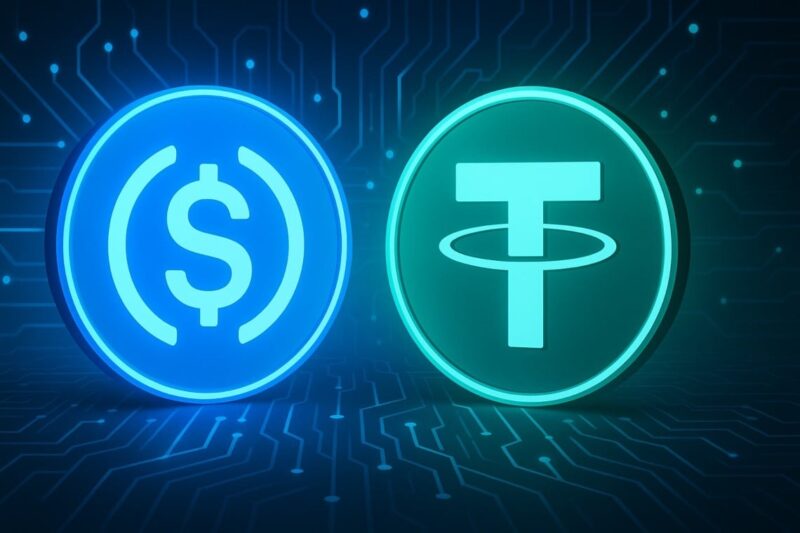
The growth was led by USDC, the digital dollar issued by Circle Internet Group, which accounted for $18.3 trillion in transaction volume during the year. That figure reflects USDC’s expanding role across exchanges, decentralized finance platforms and institutional payment rails. USDC’s usage has benefited from deeper integration with regulated financial entities and payment processors seeking blockchain-based settlement without exposure to price volatility. Its transaction dominance highlights a shift toward stablecoins that emphasize transparency, compliance and close alignment with U.S. regulatory expectations, particularly as banks and fintech firms experiment with tokenized cash alternatives.
Tether’s USDT remained a major force, recording $13.3 trillion in transactions in 2025 and maintaining a strong presence in global crypto markets. Issued by Tether Holdings, USDT continues to be widely used for liquidity and trading, especially in regions with limited access to dollar banking. Together, USDC and USDT accounted for the overwhelming majority of stablecoin activity, reinforcing their role as the primary conduits for dollar-denominated value on blockchain networks. The combined volumes point to stablecoins functioning less as speculative instruments and more as high-velocity settlement tools that operate continuously across borders and time zones.
Policy dynamics also played a role in accelerating adoption, with a more favorable stance toward crypto infrastructure emerging under Donald Trump. Reduced regulatory friction encouraged financial institutions and payment companies to test stablecoin-based products, contributing to higher on-chain volumes. Analysts note that much of the growth is driven by repeated transactional use rather than one-off transfers, indicating that stablecoins are being used as working capital and payment liquidity. As transaction volumes continue to scale, stablecoins are increasingly viewed as a parallel dollar system that complements traditional banking rails while reshaping how digital dollars move through the global economy.