Stablecoin Volume Surges
Flow data this week shows the stablecoin market expanding at a pace that traders typically read as deployable buying power returning to crypto venues. Issuance and net transfers into exchanges have risen alongside higher onchain settlement, a combination that tends to tighten spreads and improve execution for large orders. Today, desks are treating the move as a measurable shift in liquidity conditions rather than sentiment alone, because the activity is visible across multiple networks and trading pairs. The strongest signal has been in sustained turnover, not one off mints, with stablecoin velocity improving as funds circulate between custody, DeFi pools, and centralized order books. Live market pricing has reflected that depth with fewer abrupt wicks during peak hours.
Impacts on Crypto Markets
The immediate market impact is showing up in how quickly bids refill after sell programs, a pattern consistent with early stages of a crypto rally driven by fresh stablecoin balances. An report on Ethereum stablecoin supply reaching a record has added context to why liquidity is clustering around the deepest venues, where stablecoin pairs dominate spot and perpetual volumes. Update cycles from major exchanges have also highlighted increased stablecoin deposits, which often precede rotation into high beta assets when volatility compresses. Today, traders are watching whether stablecoin inflows translate into sustained demand for majors rather than brief leverage spikes. For broader positioning, the cleanest tell remains stablecoin dominance holding steady while total crypto market cap lifts.
Key Players in Stablecoin Growth
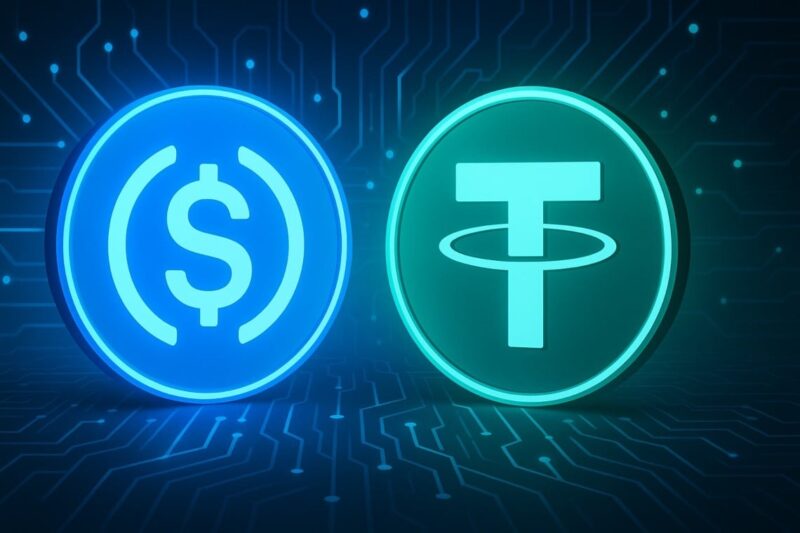
USDT remains the primary settlement rail for offshore liquidity, while USDC has been gaining traction in regulated corridors and onchain treasury workflows, and both are central to how the stablecoin market is transmitting demand. Issuers and partners are also competing on distribution rather than headline supply, with more emphasis on exchange integrations, institutional custody access, and cross chain availability. Live conditions show that USDC depth is improving on select venues where dollar banking links are strongest, while USDT continues to anchor emerging market flows and derivatives margin. An additional Update worth tracking is where the new stablecoin supply lands, because balances parked in exchange wallets influence immediate tradable liquidity far more than tokens held in long term custody. For onchain verification, blockchain explorers remain the most direct view of movements.
Future Outlook for Cryptocurrencies
Near term direction will hinge on whether stablecoin balances keep cycling into risk assets instead of sitting idle, and that link is often visible in exchange reserve changes and funding stability. Cross checks with Blockchain.com market and onchain data help confirm when transfers are moving from issuer wallets to venues where buying typically occurs, rather than between cold storage addresses. Traders also watch how quickly stablecoin supply growth is absorbed without destabilizing pegs, because orderly expansion supports sustained participation. Live pricing action has so far rewarded dip buyers when stablecoin inflows rise alongside higher spot volume, a structure that historically favors continuation over mean reversion. The next Update window is likely to come from whether majors can hold breakpoints on rising volume, which would validate that liquidity is being deployed, not merely repositioned.
Potential Risks and Considerations
Even with supportive liquidity signals, risks remain clear: concentration, regulatory pressure, and sudden shifts in counterparty confidence can interrupt a stablecoin led bid. Monitoring of reserve transparency, redemption capacity, and exposure to short term instruments matters because stress often appears first as widening spreads between stablecoin pairs and fiat gateways. Today, a key consideration is whether stablecoin growth is balanced across issuers or overly dependent on a single token, since concentration can amplify shocks during policy headlines or banking disruptions. Live market checks should focus on peg stability during volatility spikes, not just during calm sessions, because that is when liquidity can evaporate. Another Update risk is leverage, if rising stablecoin deposits are used primarily to margin perpetuals, funding can flip quickly and force liquidations that mimic demand but unwind abruptly. Credible positioning requires treating stablecoin flows as evidence, not certainty.