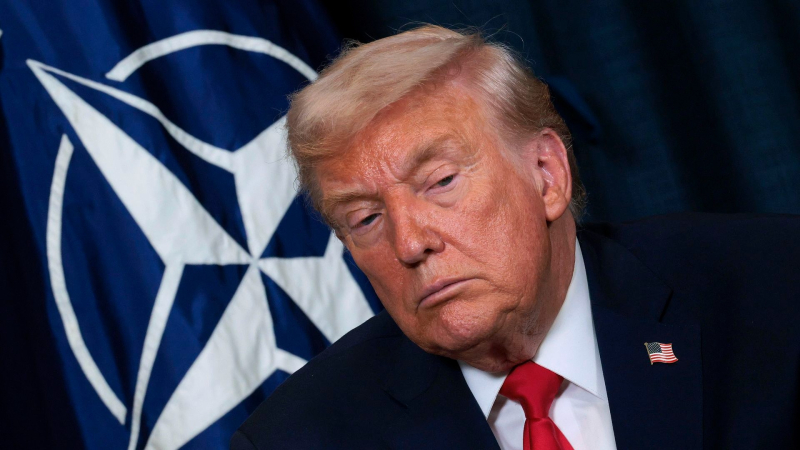
U.S. President Donald Trump has filed a $5 billion lawsuit against JPMorgan Chase, alleging the bank improperly debanked him and several affiliated companies in 2021. The lawsuit was filed Thursday in Miami-Dade County, Florida, and accuses the bank of trade libel, breach of good faith and fair dealing, and violations of Florida’s deceptive trade practices law. The legal action follows public comments Trump made over the weekend, signaling his intent to sue, framing the debanking as unjustified and politically motivated. The case adds fresh momentum to an already contentious debate over financial access, political neutrality in banking, and the responsibilities of large institutions when managing account risk. The filing marks one of the most high-profile legal challenges tied to debanking practices in recent years.
According to the complaint, JPMorgan’s decision to terminate Trump-related accounts lacked sufficient merit and caused reputational and financial harm. Bloomberg reported that the lawsuit also names JPMorgan Chief Executive Jamie Dimon in connection with alleged statutory violations under Florida law. In response, JPMorgan issued a statement rejecting the claims and asserting that the lawsuit is without merit. The bank emphasized that it does not close accounts for political or religious reasons, but rather due to legal or regulatory risk considerations. JPMorgan added that regulatory expectations often leave banks with limited discretion, and that it has repeatedly urged policymakers across administrations to clarify rules that place financial institutions in difficult compliance positions.
The lawsuit arrives against a backdrop of heightened scrutiny over debanking practices in the United States. Trump’s family has previously alleged that banks withdrew services for political reasons, claims that have resonated within parts of the crypto and fintech sectors that faced similar challenges in recent years. Trump’s oldest son has publicly described the experience as widespread and damaging, reinforcing the narrative that financial access can be influenced by political exposure. Since returning to office, President Trump has taken a more aggressive stance on the issue, including signing an executive order aimed at curbing debanking practices. His administration has framed the issue as a matter of fairness and due process within the financial system.
Federal regulators appointed under Trump have echoed concerns about banks engaging in actions that could be perceived as debanking. Officials have warned that financial institutions must avoid conduct that appears discriminatory or politically motivated, particularly as digital asset firms and politically exposed individuals continue to challenge account closures. The lawsuit against JPMorgan places renewed attention on how banks balance regulatory risk management with equal access obligations. While the outcome remains uncertain, the case is likely to influence future policy discussions and legal interpretations around debanking. As financial institutions face growing political and regulatory pressure, the dispute underscores the evolving relationship between banking, compliance, and political authority in the United States.